Specialized Classrooms
Specialised Classroom for Teaching Methodology in the Natural Sciences
Room Description:
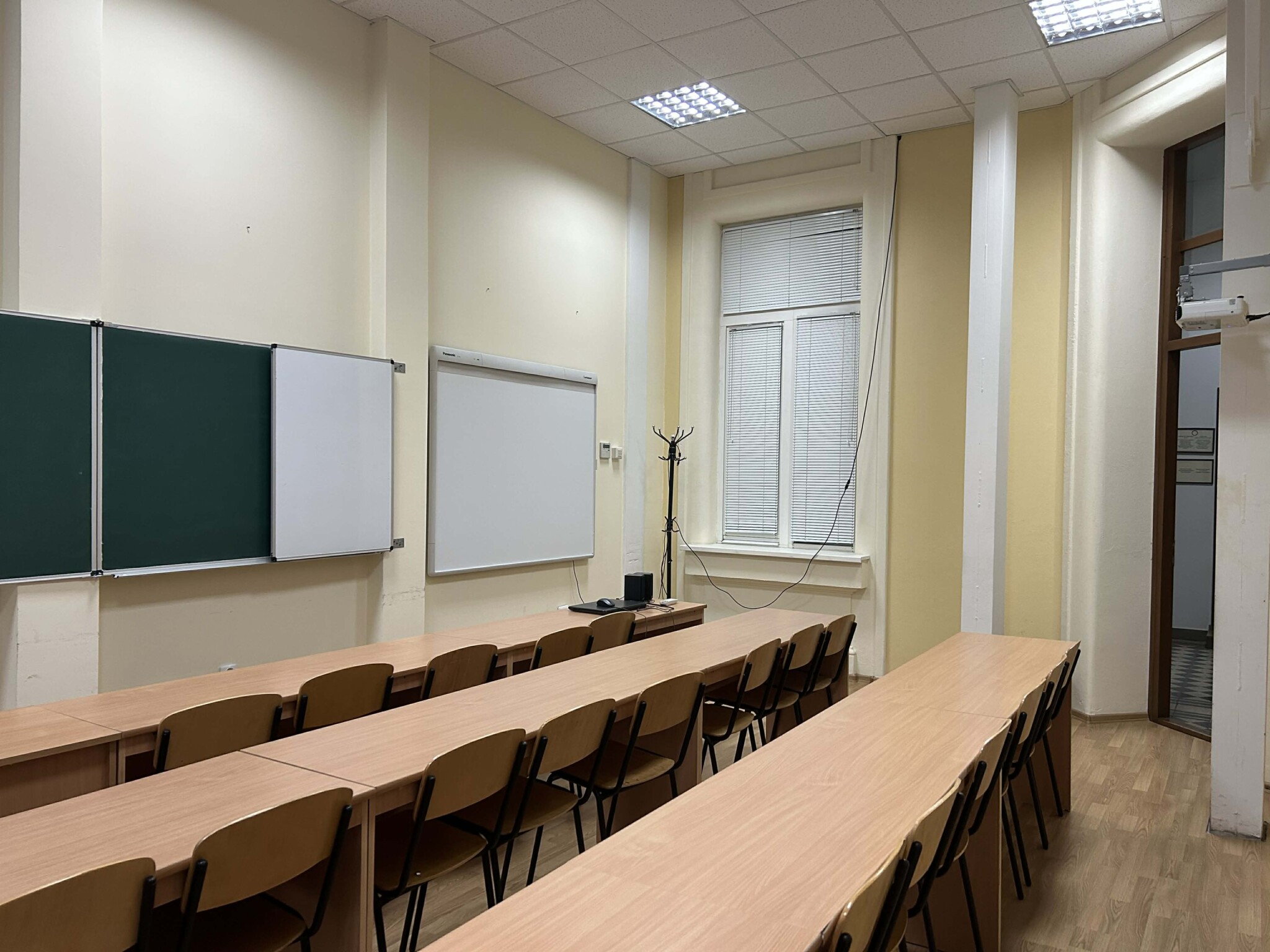
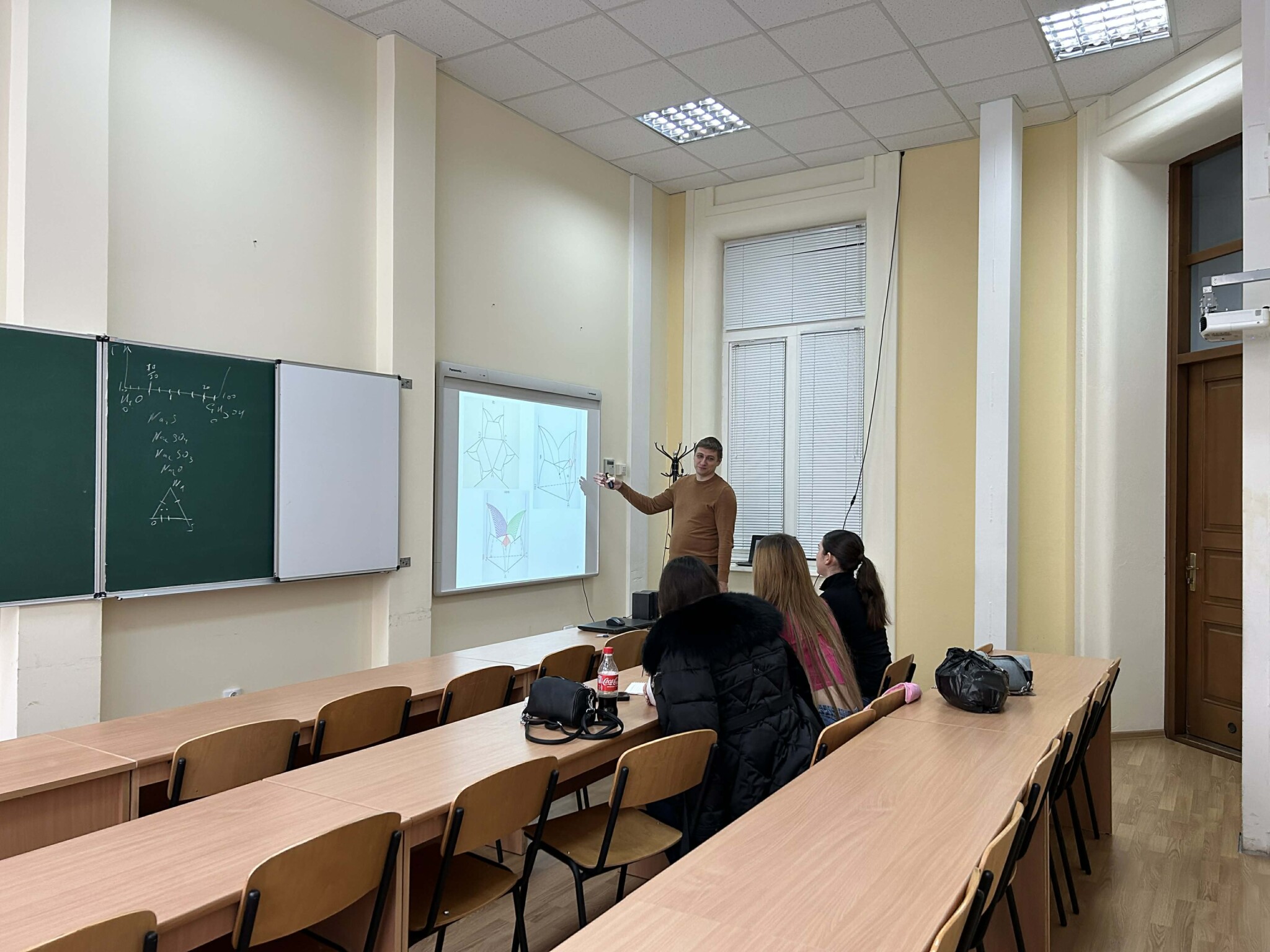
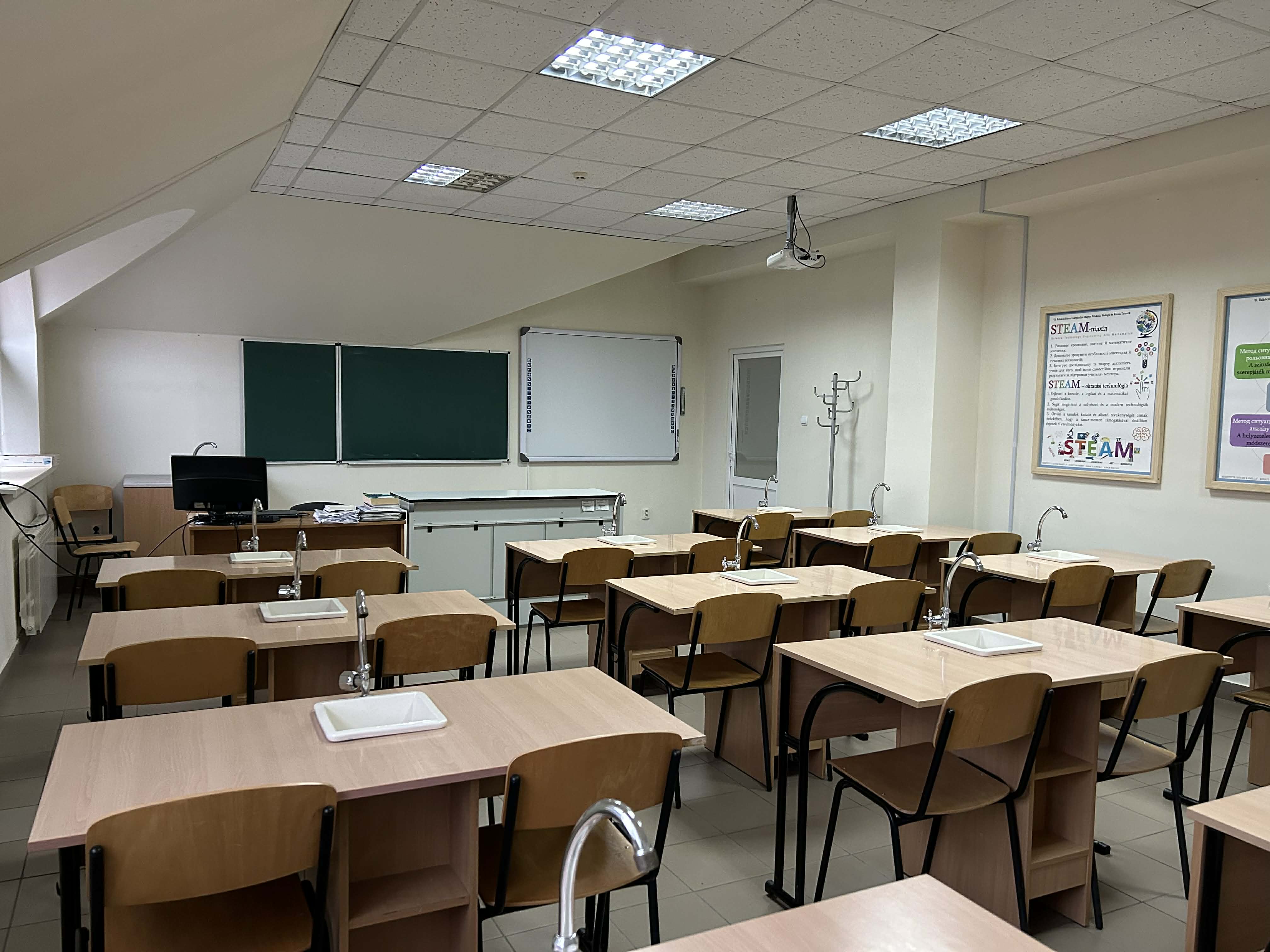
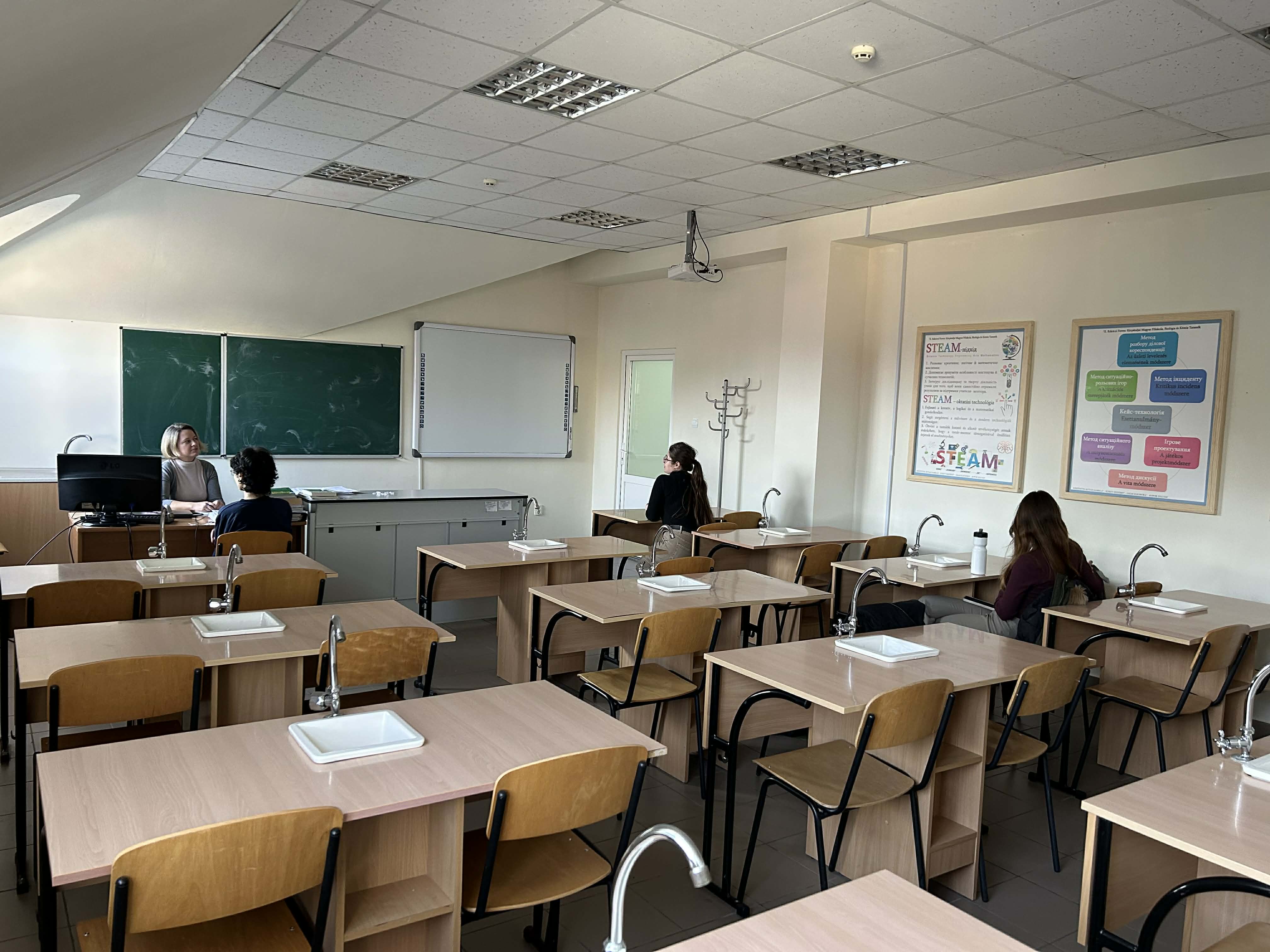
The specialised methodology classroom is designed for studying the pedagogical, methodological and practical aspects of teaching the natural sciences, including biology, chemistry, physics and geography. Its purpose is to familiarise students with modern tools for science education, different forms of organising the teaching and learning process, and contemporary didactic methods.
The classroom is equipped with modern digital technology, including an interactive whiteboard, multimedia projector and laptop, as well as teaching and demonstration materials for STEAM education, teaching methodologies, contemporary innovative technologies and different types of lessons. This equipment supports lectures, demonstrations and multimedia presentations and provides an interactive learning environment.
Botany Laboratory
Room Description:
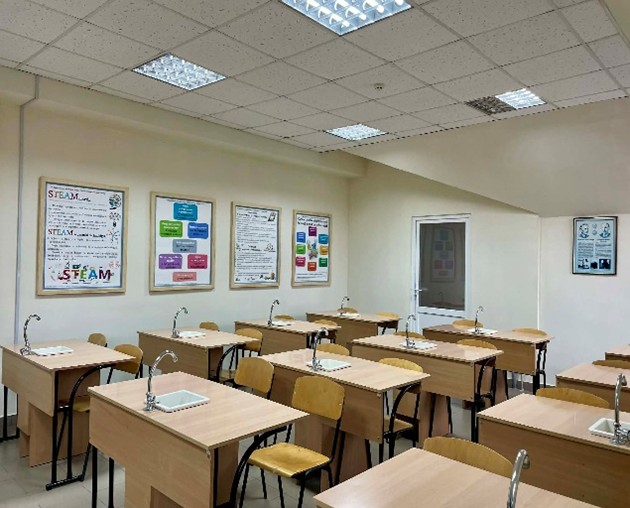
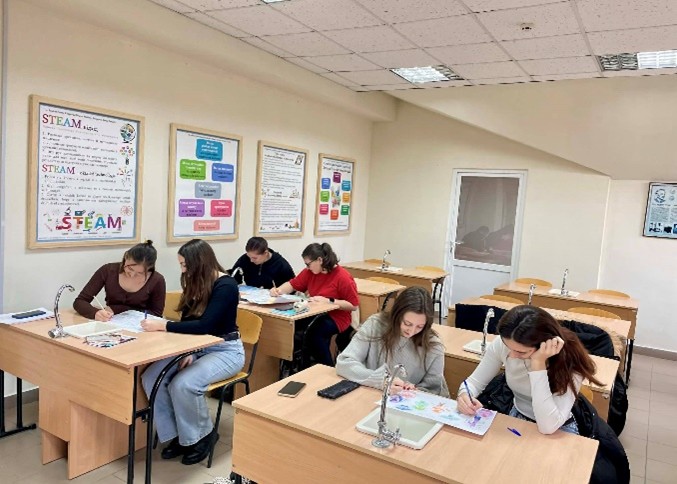
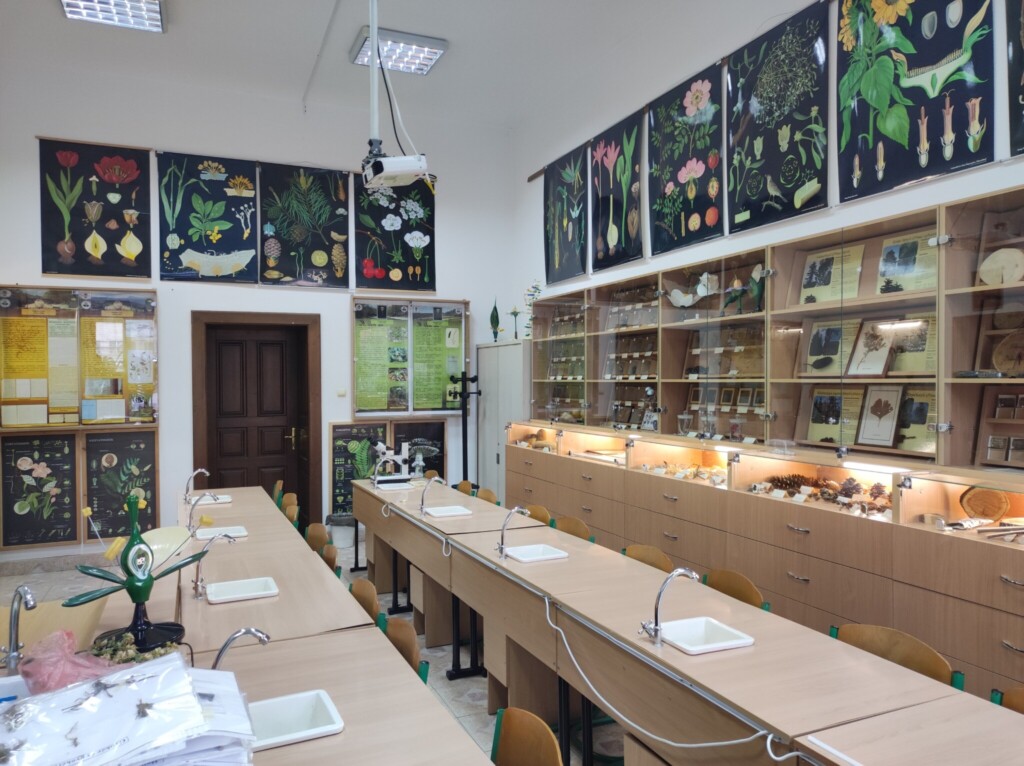
The laboratory is equipped with both traditional and modern teaching facilities that enable students to acquire in-depth knowledge of the plant kingdom.
The most important equipment includes optical/light microscopes, which allow detailed examination of plant cells and tissues. Some of the microscopes are equipped with cameras, enabling microscopic images to be displayed on a screen.
The laboratory also contains stereomicroscopes (binocular microscopes), which are suitable for magnifying and three-dimensional observation of small specimens. These instruments facilitate the study of surface features, structural characteristics and fine details of plant organs.
A collection of prepared microscope slides is also available, together with a sectioning kit for preparing plant tissue specimens.
The cabinets contain a variety of botanical collections, including:
- Cone collection – for studying different species of gymnosperms.
- Collection of modified shoots, roots and leaves – for demonstrating the functions and diversity of modified plant organs.
- Fruit collection – for studying different fruit types and modes of dispersal.
Models are available for studying the structure of flowers and inflorescences, while educational charts displayed on the walls provide visual support for a range of botanical topics.
The diorama presents the principal groups of pteridophytes – lycophytes, ferns and horsetails – illustrating their diversity and characteristic morphological features.
Additional equipment includes a laptop, multimedia projector and interactive whiteboard.


Zoology Laboratory (Zoological Collection)
Room Description:
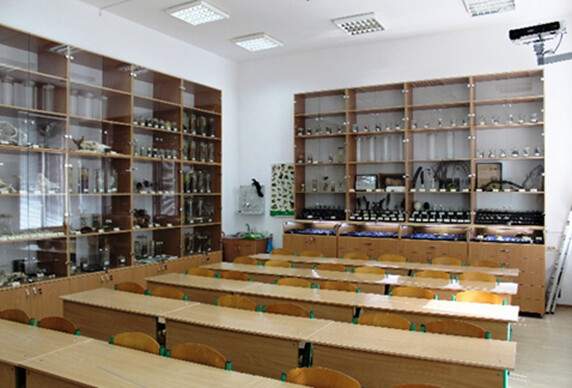
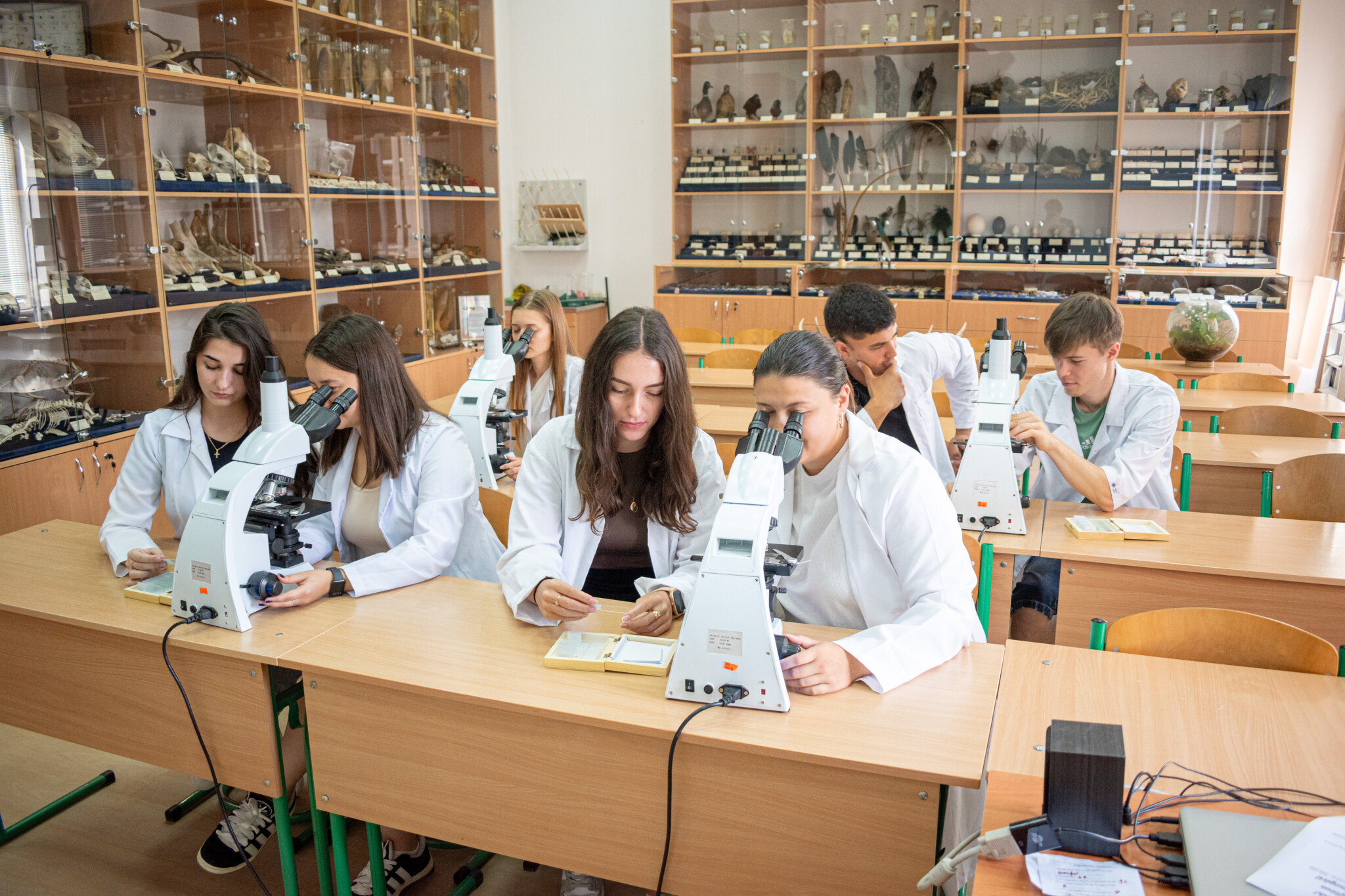
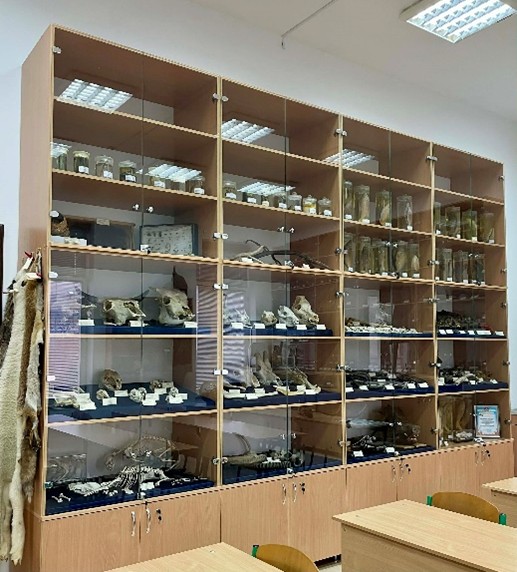
The Zoology Laboratory is designed for the study of animal diversity and the anatomy,physiology and ecology of representatives of different taxonomic groups. It provides a learning environment in which students can directly explore the structure and characteristic features of animals through visual observation and practical methods of investigation.
The laboratory is equipped with:
- Zoological specimens and collections: dry and wet-preserved specimens of invertebrates and vertebrates, skeletons, insect collections, mollusc collections, and specimens representing various other animal groups.
- Microscopes and prepared microscope slides: anatomical and histological sections of tissues from different animal groups for microscopic examination and analysis.
- Models and teaching aids: models illustrating various zoological structures and biological processes, including the life cycle of a frog.
- Aquarium and terrarium: facilities for keeping smaller living organisms and observing their behaviour.
- Equipment for practical work: magnifying glasses and dissection kits.
The laboratory provides a comfortable environment for the study of zoology, including animal anatomy, morphology, taxonomy and physiology, offering an ideal combination of practical classes, lectures and interactive learning.


Ecology Laboratory
Room Description:
The Ecology Laboratory is specifically designed for the study of ecological factors and processes, ecological systems, biogeography, and physical geographical phenomena. The following teaching aids and equipment support these activities:
- Globe and maps, including physical, climatic and biogeographical maps.
- Educational posters illustrating ecosystems, food chains, biodiversity, and the impact of human activities on the natural environment.
- Additional equipment includes a laptop, interactive whiteboard, soil and water analysis kits, and meteorological instruments, such as a thermometer, hygrometer and barometer.
The development of environmental awareness helps students recognise their personal responsibility for the state of the environment and develop the skills required for the rational and sustainable use of natural resources.
Specialised Laboratory for Human Anatomy and Physiology
Room Description:
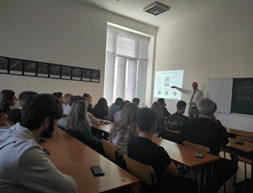
The Specialised Laboratory for Human Anatomy and Physiology is designed to provide students with an in-depth and visually supported study of the structure of the human body and the comparative anatomy of vertebrate animals. The laboratory provides suitable conditions for developing fundamental biomedical knowledge, spatial thinking and practical skills required in the natural and medical sciences.
The main equipment of the laboratory includes:
- Anatomical models and teaching models: models of the skeleton, skull, internal organs, musculature and organ systems.
- Microscopes and prepared microscope slides: tissue sections and histological preparations of various organs.
- Educational posters and displays: diagrams of organ systems and anatomical charts.
- Demonstration equipment: measuring instruments and safe educational tools for carrying out basic anatomical investigations.
The laboratory enables students to develop a comprehensive understanding of the organisation of the human body, compare the anatomical structures of different groups of vertebrates, and acquire practical skills relevant to students in the natural sciences.
Laboratory of General, Inorganic and Analytical Chemistry
Room Description:
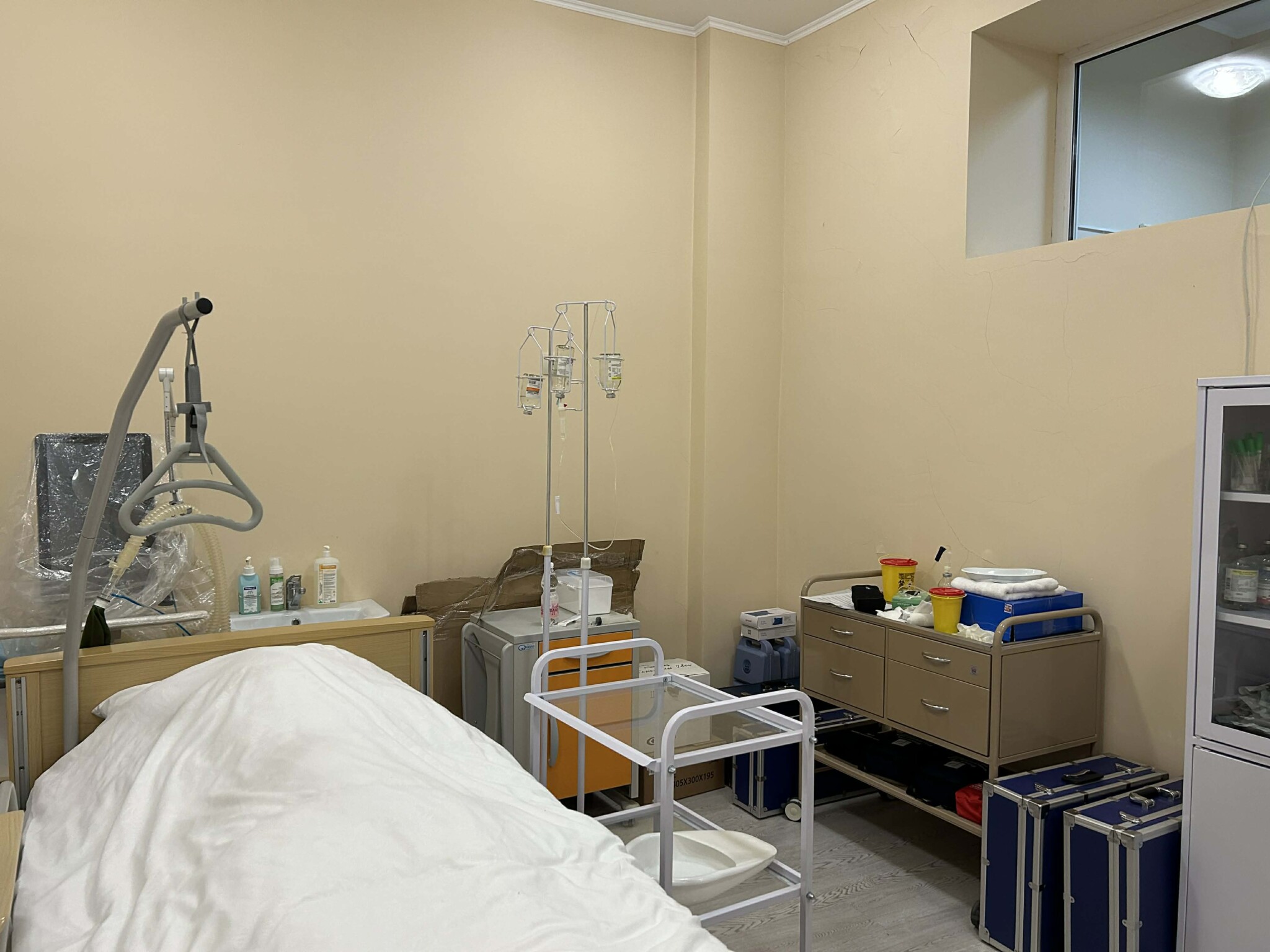
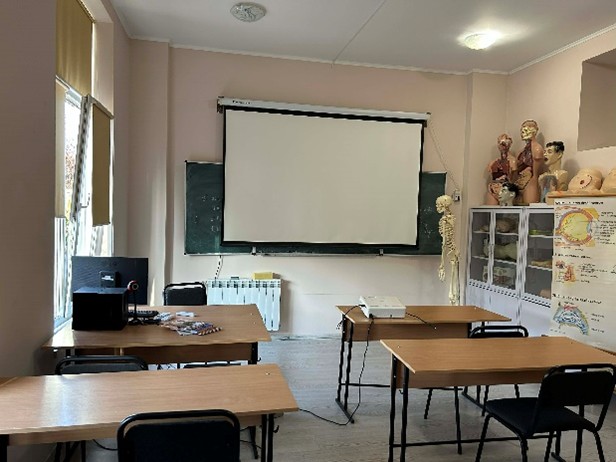
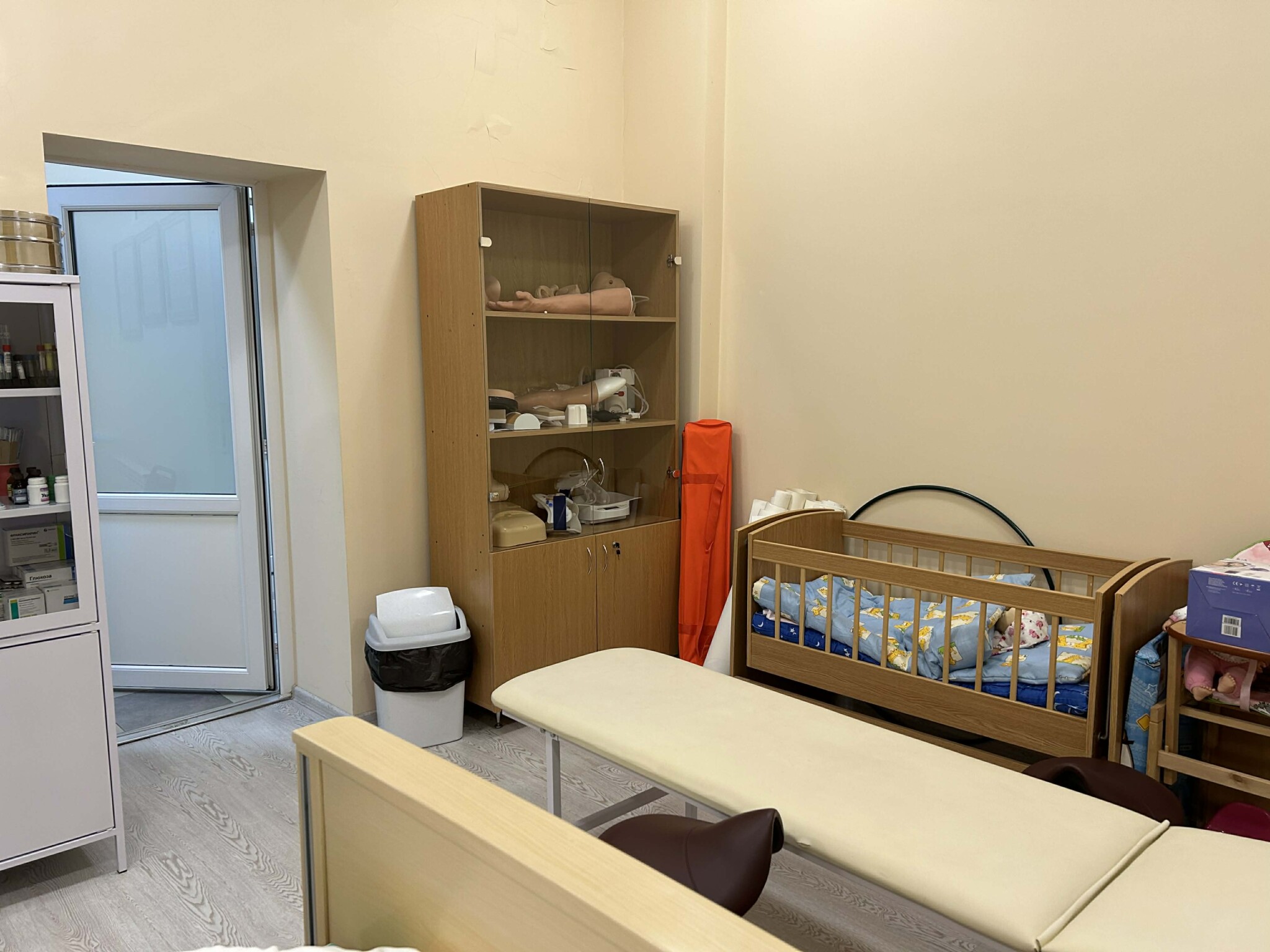
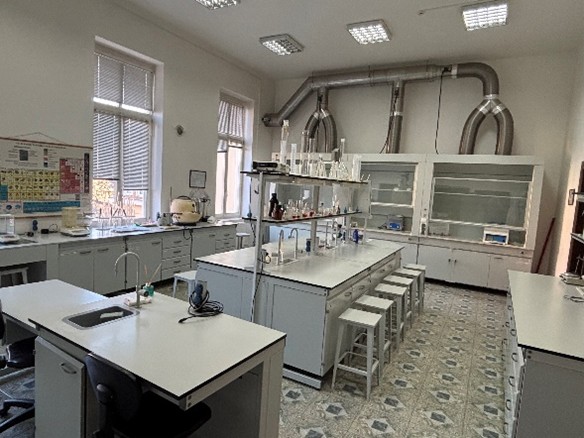
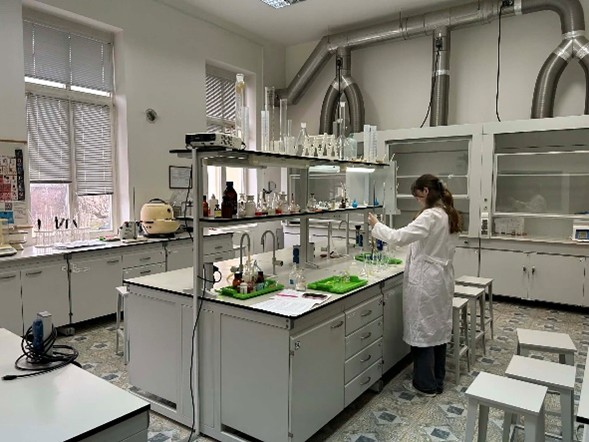
The laboratory is one of the key facilities for students’ practical training in chemistry. In this laboratory, students undertake practical classes in general chemistry and inorganic chemistry, as well as laboratory work in analytical chemistry. The main aim of these classes is to develop skills in carrying out accurate and reproducible measurements and in the correct and safe use of laboratory equipment.
The laboratory is equipped with modern instruments in accordance with the requirements of the relevant study programmes. One of its key instruments is a Biochrom Libra S21 visible (VIS) spectrophotometer, which enables the measurement of light absorption by different solutions and allows students to acquire the fundamentals of quantitative analysis. High-quality Ohaus analytical balances are used for accurate mass measurements and are essential for analytical laboratory work.
In addition to specialised equipment, the laboratory is fully equipped with standard laboratory apparatus, including glassware, pipettes, graduated cylinders, beakers, laboratory stands, and other basic equipment required for standard chemical procedures.
Particular attention is paid to laboratory safety during practical work. Procedures involving reagents that require enhanced safety precautions are carried out exclusively in a fume cupboard. This ensures controlled and safe working conditions and complies with established safety rules and best practices for work in a chemistry laboratory.
Preparation Laboratory for General, Inorganic and Analytical Chemistry
Room Description:
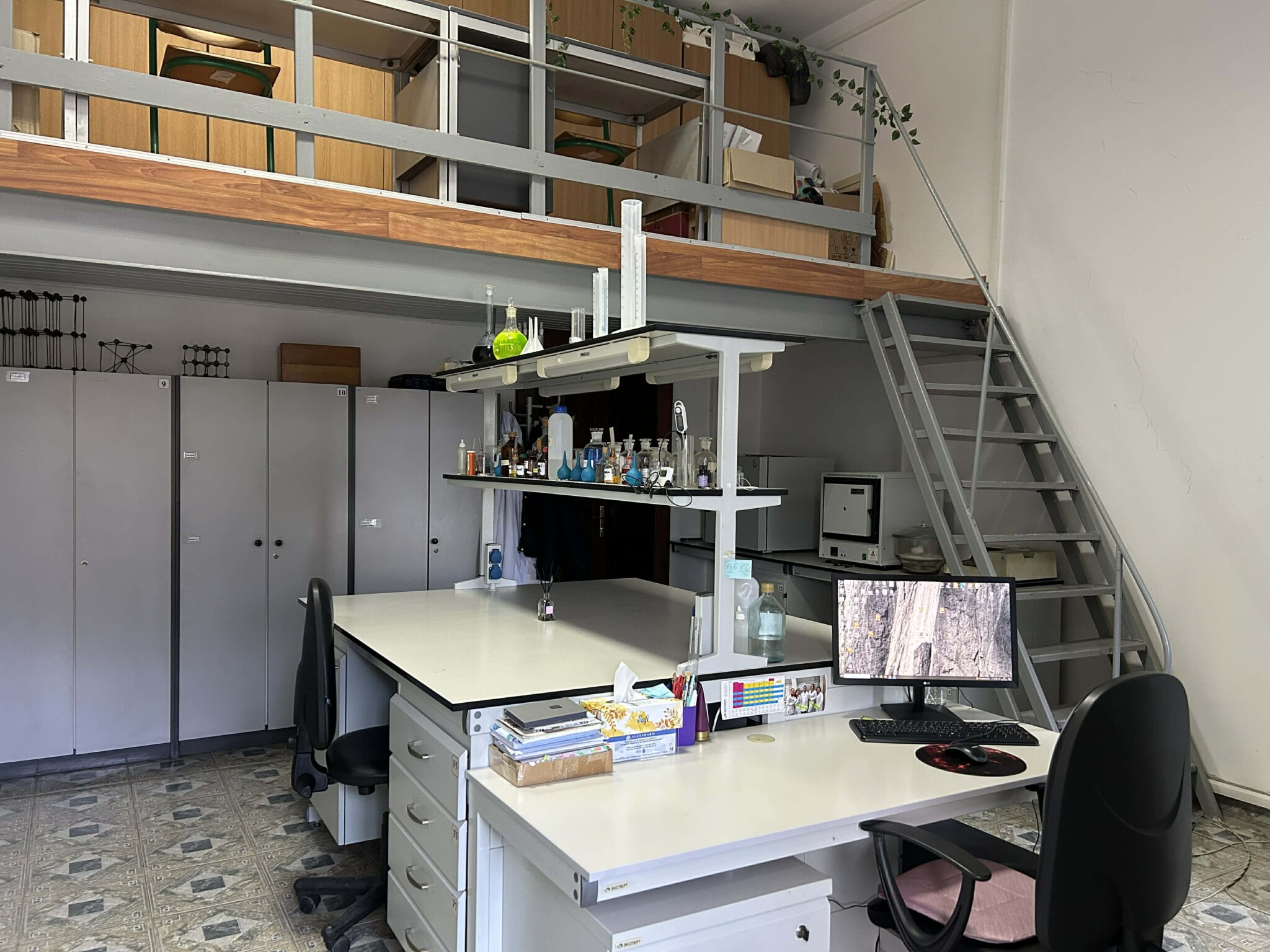
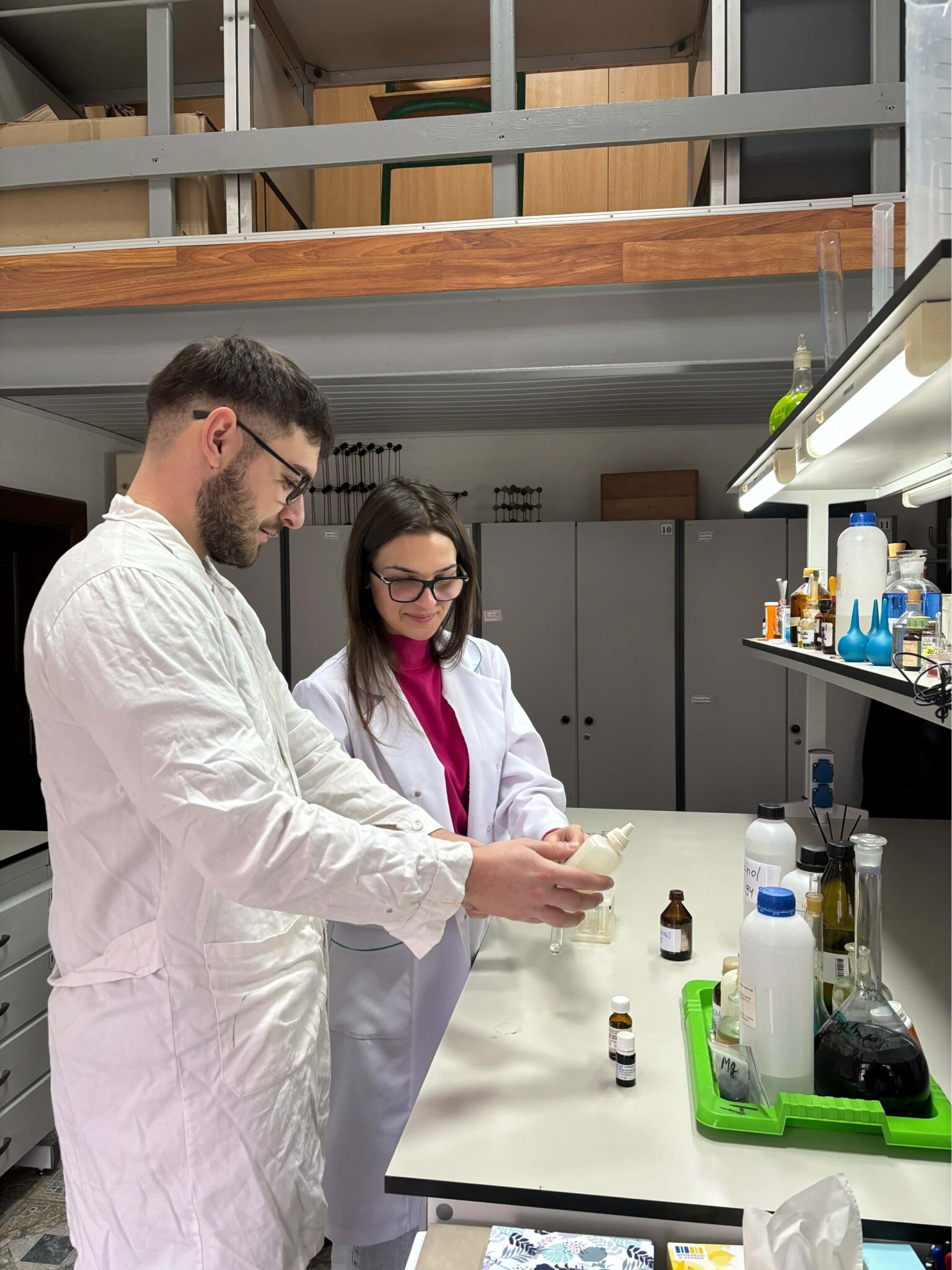
The preparation laboratory is used for preparatory work in general, inorganic and analytical chemistry. In this facility, students learn to work with various inorganic substances, prepare solutions and samples, and carry out basic analytical procedures required for subsequent laboratory classes.
Salts of inorganic compounds are stored in secure, tightly closed cabinets. The storage system complies with chemical safety requirements, ensuring the organised storage of reagents and providing a safe working environment.
The MBK laboratory is equipped with a range of specialised instruments required for preparatory work in inorganic and analytical chemistry. These include a UTENOS ELECTROTECHNIKA drying oven, which is used for drying samples and laboratory glassware. The laboratory also has a muffle furnace from the same manufacturer, which is used for the ignition and thermal treatment of materials.
The laboratory is also equipped with an acid distillation apparatus, which enables the preparation of purified, distilled acids required for accurate analytical work. Procedures involving hazardous or volatile substances are carried out in a fume cupboard, ensuring safe working conditions and protecting students while handling chemical reagents.
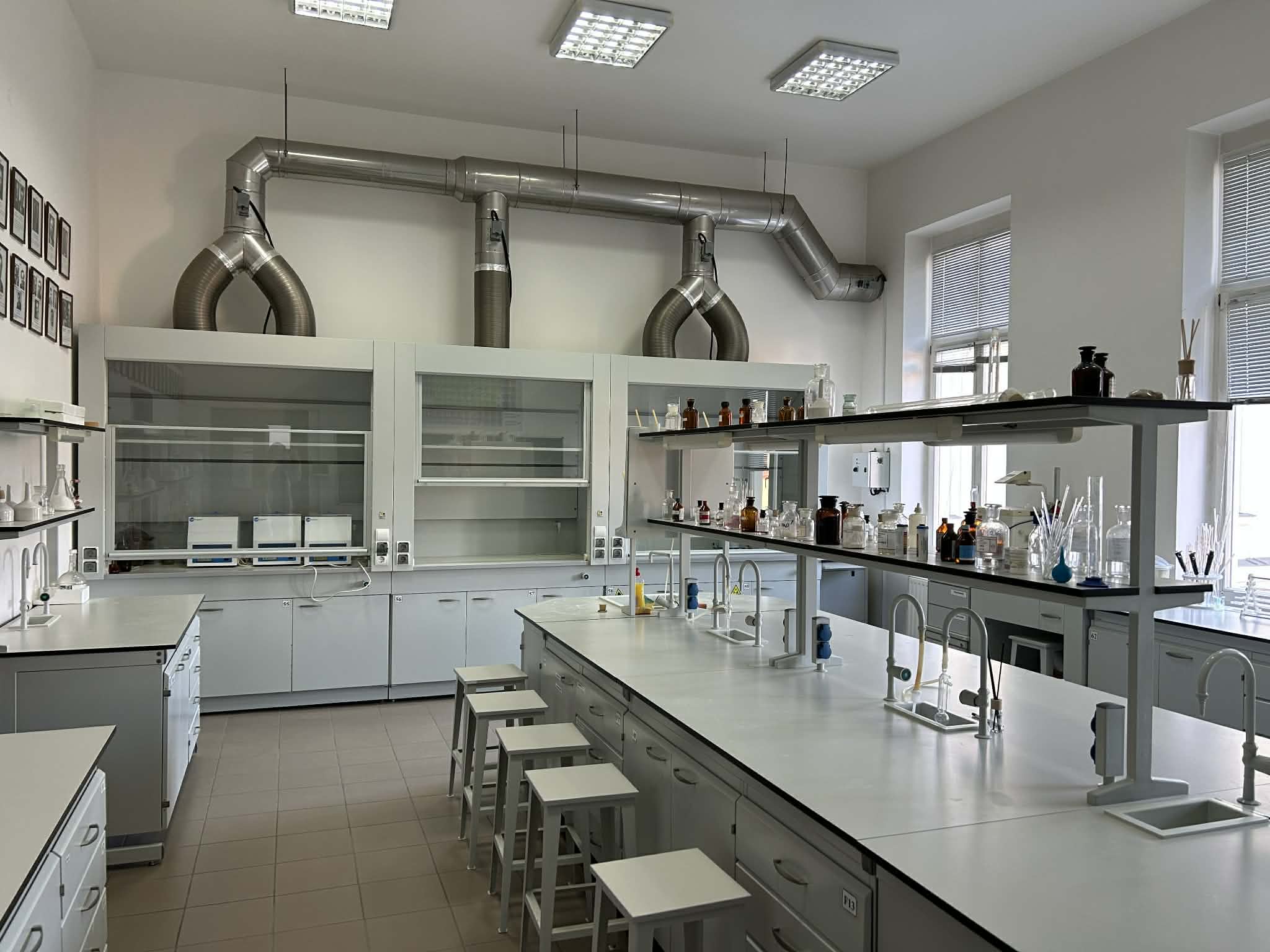
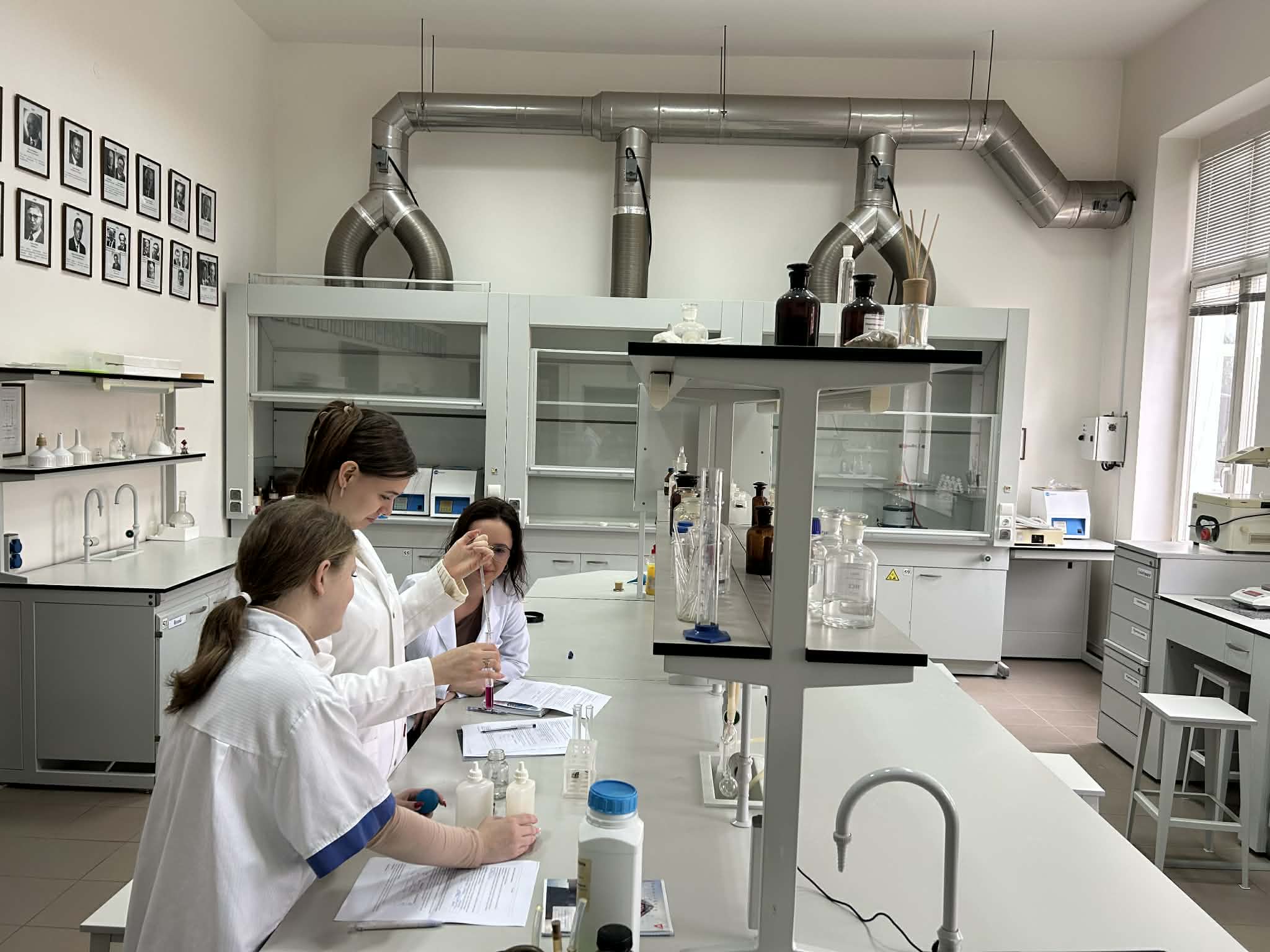
Laboratory of Organic Chemistry and Biochemistry
Room Description:
The specialised laboratory is one of the key facilities for advanced practical training in chemistry. In this laboratory, students carry out practical work in organic chemistry, biochemistry, physical chemistry and colloid chemistry. During these classes, they become familiar with more complex chemical systems, reaction mechanisms, and methods used to investigate physicochemical and colloidal processes.
The laboratory is fully equipped to meet the requirements of a modern chemistry teaching facility. A wide range of instruments is available for experimental work, including analytical balances, various types of water baths for conducting reactions under controlled temperature conditions, and a reliable distillation apparatus. In addition, the laboratory contains a comprehensive range of general and specialised equipment required for organic and biochemical experiments and physicochemical measurements, including laboratory glassware, pipettes, graduated cylinders, beakers, condensers, laboratory stands, magnetic stirrers, and other essential general and specialised equipment.
Particular attention is paid to safety during laboratory work. Procedures involving hazardous or volatile substances are carried out exclusively in a fume cupboard, ensuring controlled and safe working conditions. The laboratory is also equipped with the necessary safety equipment and protective facilities, enabling chemical experiments and investigations to be conducted responsibly and in accordance with established laboratory safety regulations.
Laboratory of Soil Science and Agrochemistry
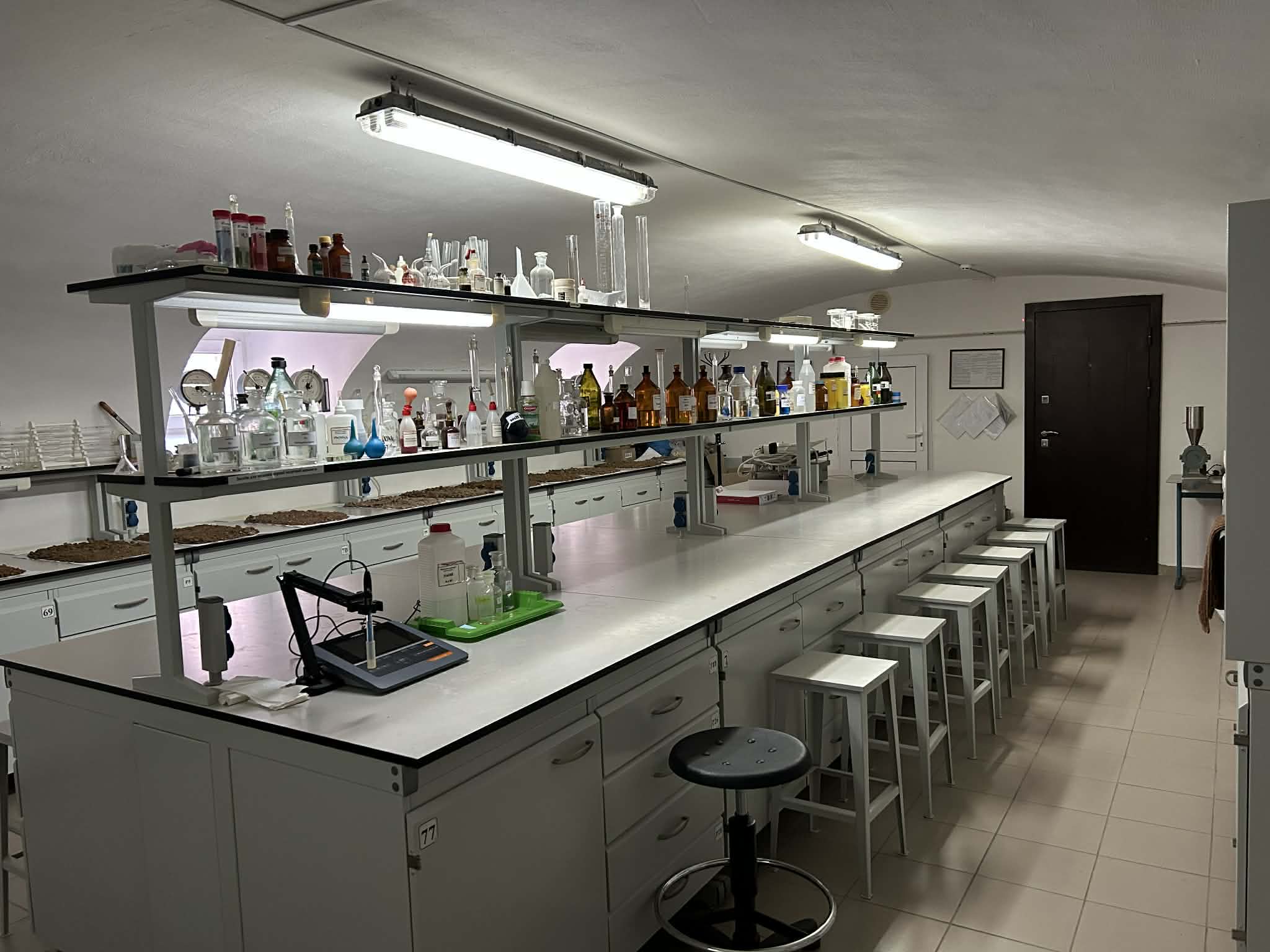
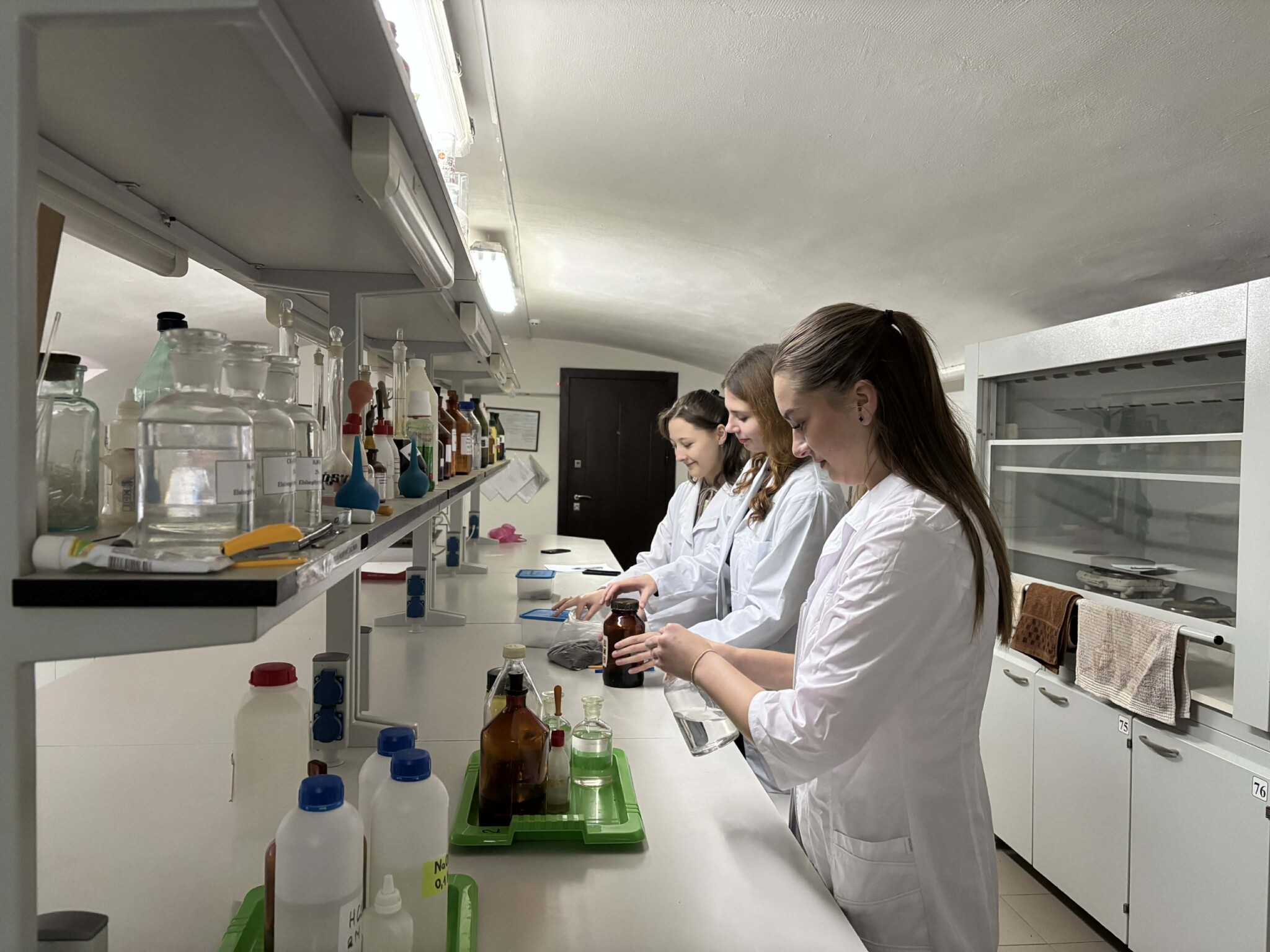
Room Description:
The laboratory functions as a specialised facility for soil science and agrochemistry and plays an important role in the training of students interested in soil science, soil chemistry and agrochemical research. It is primarily used for the preparation of qualification theses, course projects and other individual research projects, providing students with opportunities to analyse real soil samples and acquire practical methods of soil investigation.
Practical classes in soil science are regularly conducted in the laboratory, during which students become familiar with the principal physical, chemical and agrochemical methods of soil analysis. The laboratory equipment has been specifically selected to meet the professional requirements of soil research, enabling students to carry out the necessary measurements, sample preparation procedures and analytical methods.
The specialised equipment includes distillation and bidistillation units, which provide high-purity water for various analytical procedures. The laboratory is also equipped with shakers used for the homogenisation of soil samples and their preparation for extraction procedures. Analogue-controlled heating mantles provide stable heating conditions for soil-chemical reactions.
Procedures requiring precise temperature control are carried out in water baths equipped with digital PID temperature controllers, ensuring reproducibility and reliability. The laboratory also has an ultrasonic bath, which is used for sample preparation, the homogenisation of suspensions and certain specialised procedures.
One of the laboratory’s most important instruments is the FRITSCH ANALYSETTE 22 NanoTec particle size analyser, which enables highly accurate determination of particle size distribution in soil samples. This instrument is particularly important for soil physical research and provides valuable data for assessing soil structure, water regime and agronomic properties.
X-ray Diffraction Laboratory
Room Description:
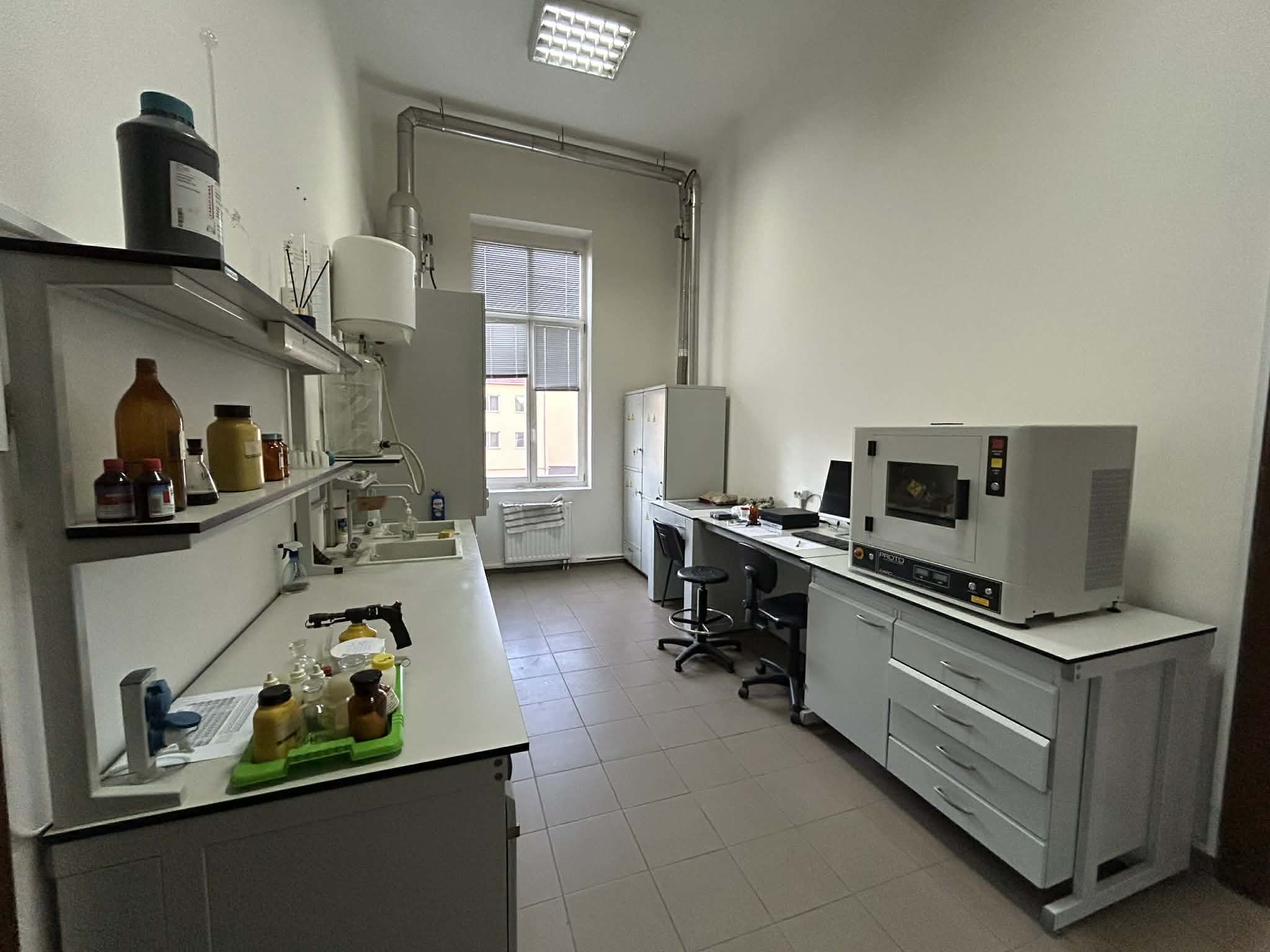
The specialised laboratory is used for preparatory work in organic chemistry and biochemistry, as well as for X-ray diffraction studies. Its equipment and organisation enable students to acquire practical skills in both the preparation of organic and biochemical samples and the modern structural analysis of materials.
Particular attention is paid to the proper storage of organic reagents. These substances are kept in securely sealed safety cabinets that comply with chemical safety requirements. Such storage helps maintain the stability of the reagents while ensuring safe working conditions.
X-ray diffraction analysis is a central activity of the laboratory. For this purpose, the laboratory is equipped with a modern and reliable AXRD Benchtop X-ray diffractometer, which enables students to learn the fundamentals of crystal structure analysis, the interpretation of diffraction patterns, and the determination of the phase composition of materials.
The laboratory also contains all the general and specialised equipment required for the preparation of organic and biochemical samples, including laboratory glassware, pipettes, balances, water baths, hotplates, and other equipment necessary for accurate and safe laboratory work.
The organisation of the laboratory provides suitable conditions for both sample preparation and analytical procedures.
Laboratory for Environmental Sample Analysis
Room Description:
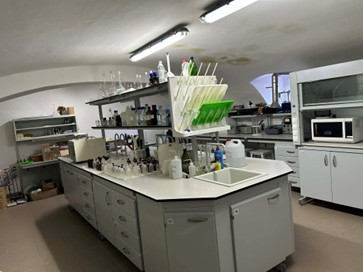
The laboratory specialises in the analysis of environmental samples and plays an important role in developing students’ analytical skills in the field of environmental chemistry. Although students are also introduced to fundamental analytical methods here, the laboratory is primarily used for coursework, Bachelor’s research projects and individual research projects. Its quiet and focused working environment enables high-precision measurements of various environmental samples, including soil, water and bottom sediment samples.
The laboratory equipment supports a wide range of environmental analytical investigations. One of its key instruments is the TitriLine 5000 module automatic titrator, which enables accurate and reliable titration procedures for the analysis of various aqueous and chemical solutions. The laboratory is also equipped with a pX-150.1MI nitrate meter, designed for the quantitative determination of nitrates, which is particularly important for assessing water quality.
Sample preparation is supported by a SpeedWave Berghof SW-2 microwave sample preparation system, which enables rapid and efficient acid digestion of samples of various origins. Precise control of temperature and pressure ensures stable and reproducible results, which are essential for reliable environmental analysis.
The laboratory is also equipped with a drying oven and a high-performance muffle furnace, which are used for the preparation of solid samples and ashing procedures. For accurate measurement of the acidity of aqueous samples, a pH-150 MI pH meter is used, providing stable and reliable results in the analysis of different environmental matrices.
Atomic Absorption Laboratory
Room Description:
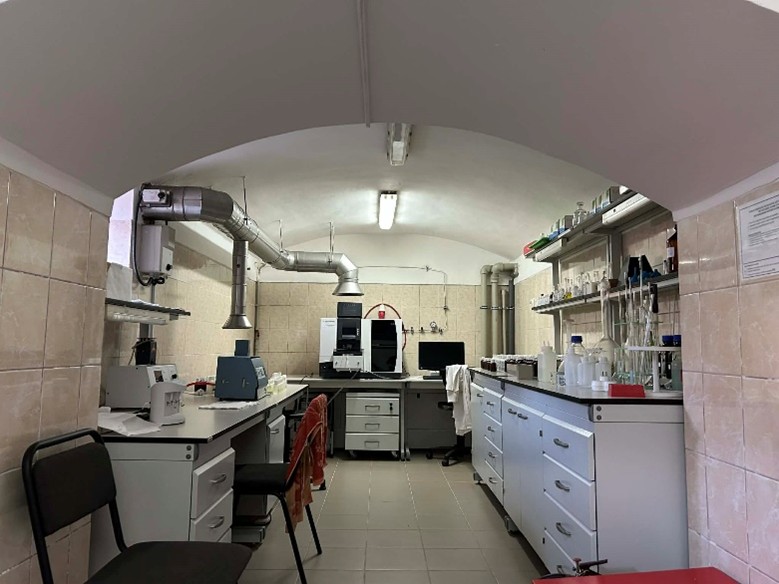
The Atomic Absorption Laboratory is one of the key facilities for studying and applying modern instrumental analytical methods. Although students are introduced to the fundamentals of atomic absorption spectroscopy and other instrumental analysis techniques, the laboratory is primarily used for coursework, Bachelor’s theses and individual research projects. Its quiet, specially equipped working environment enables high-precision measurements and provides students with opportunities to gain an in-depth understanding of instrumental analytical methods.
The central instrument of the laboratory is an Agilent 240 AA atomic absorption spectrometer. This highly sensitive instrument enables the accurate determination of elemental concentrations in samples, allowing students to acquire practical skills in quantitative analysis, calibration and data processing. The instrument is widely used in environmental research, food chemistry and materials science.
The laboratory is also equipped with all the other instruments and materials required for instrumental analysis, including laboratory glassware, solution preparation equipment, pipettes, reagents, personal protective equipment, and well-organised workstations.
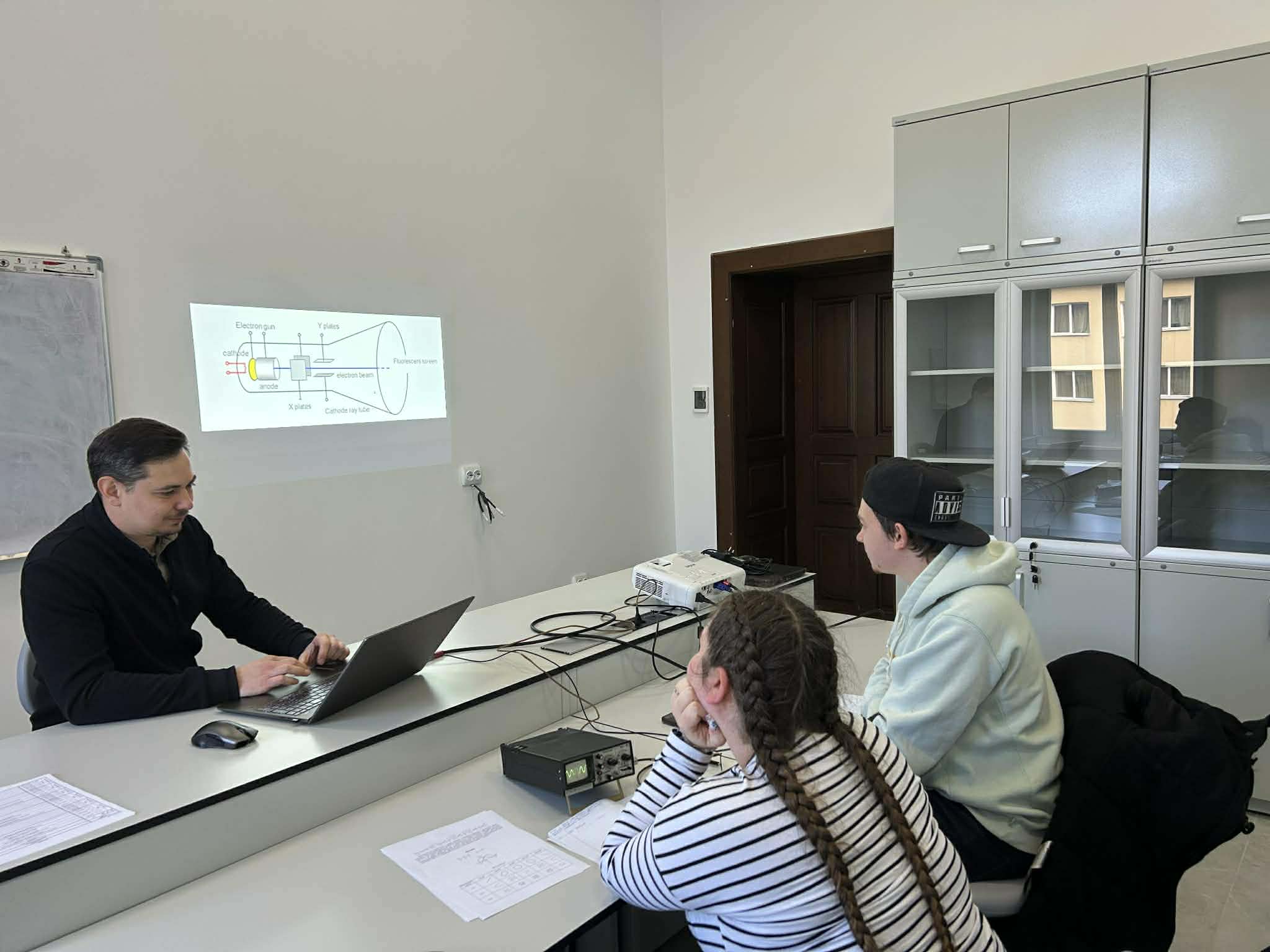
Specialised Physics Laboratory
Room Description:
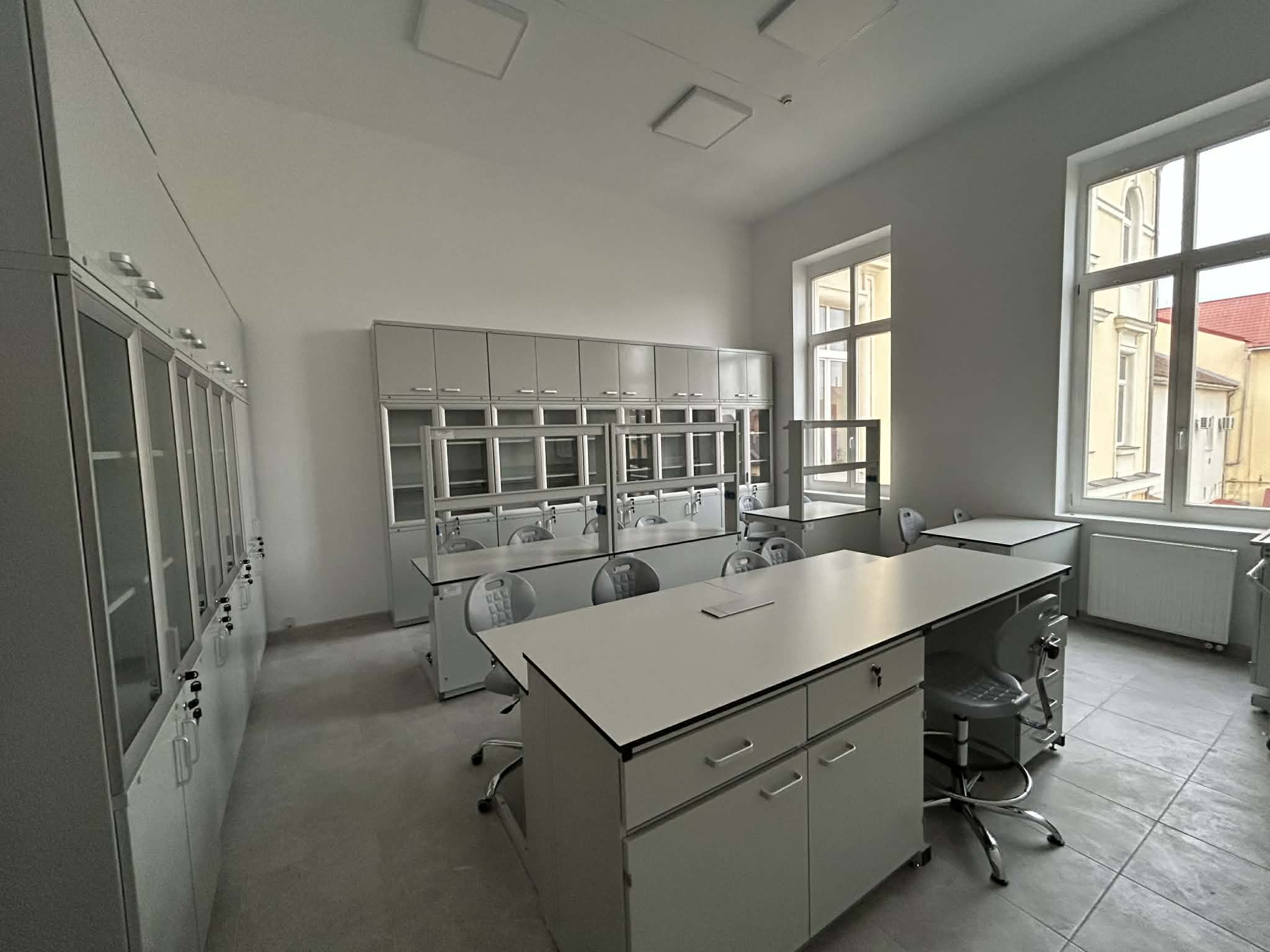
The laboratory is a specialised teaching facility designed for the demonstration of physical phenomena, the performance of experiments and practical measurements. Its primary purpose is to provide a safe and well-equipped environment in which students can become familiar with the laws of nature and develop their understanding of physics and scientific reasoning.
The laboratory provides facilities for:
- conducting mechanical, electrical, optical and thermal experiments;
- demonstrating physical laws through practical experiments;
- using measuring instruments, digital sensors and laboratory equipment;
- carrying out individual and group investigations.
The laboratory is arranged in accordance with safety requirements, ensuring safe working conditions when using electrical circuits, heat sources and mechanical devices.
Scientific Herbarium
Room Description:
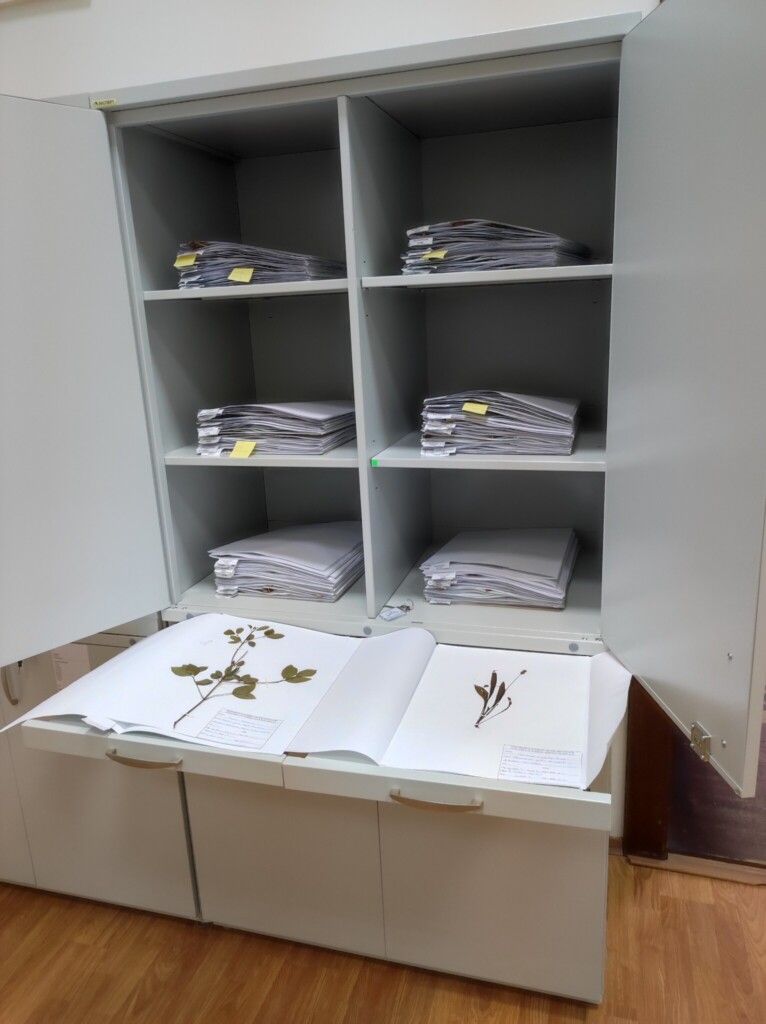
The Scientific Herbarium currently comprises approximately 6,000 herbarium sheets, containing professionally prepared specimens representing more than 1,000 plant species. The richest and most extensive part of the collection is the vascular plant collection. The Scientific Herbarium was established primarily to support research on the flora of the region and to provide a documented reference collection for botanical studies.
The herbarium is continuously expanded through the coordinated field collecting activities of lecturers and students of the Department of Biology and Chemistry, together with researchers and specialists from the Fodor István Research Centre.
Scientific Herbarium Preparation Room
Room Description:
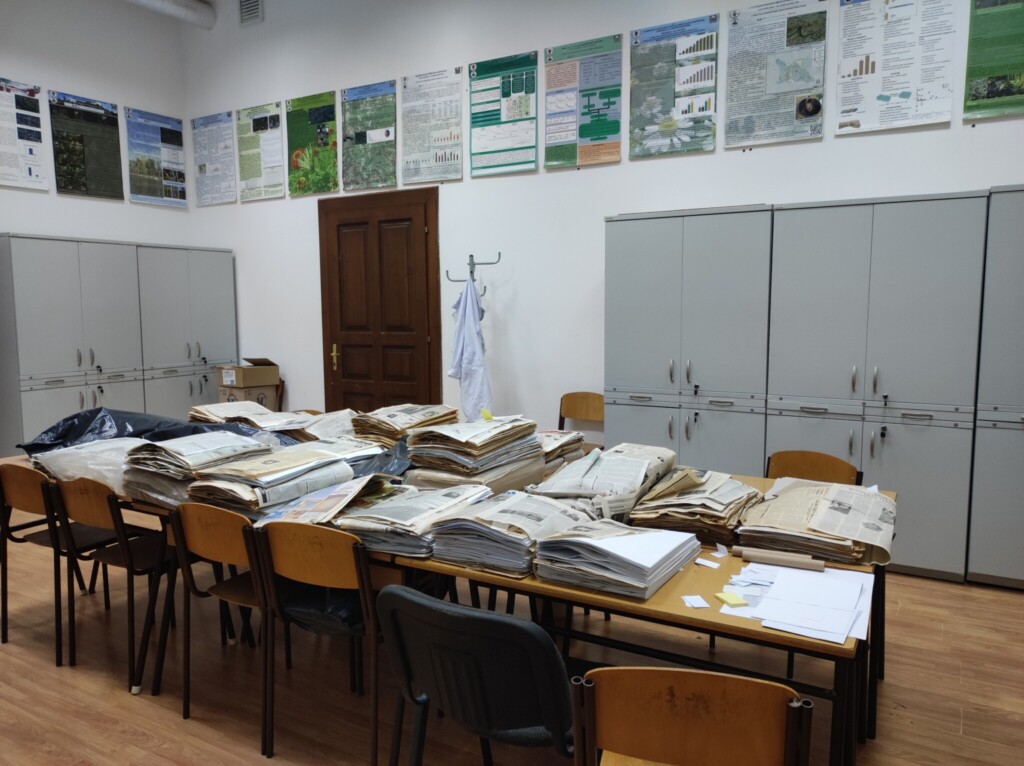
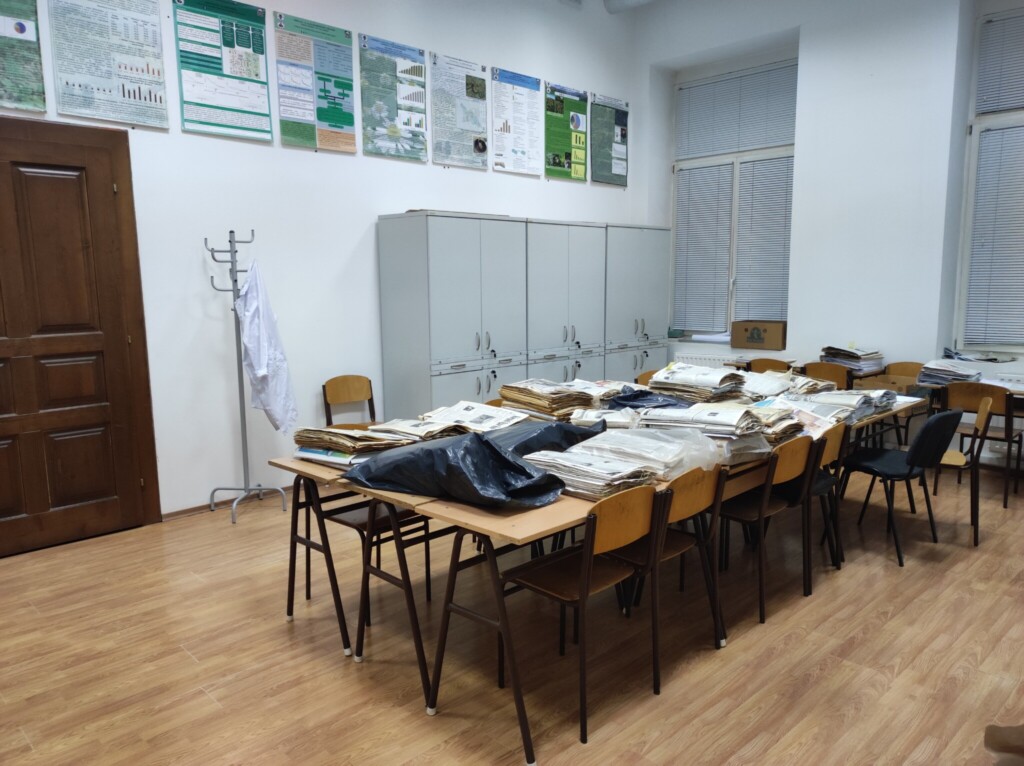
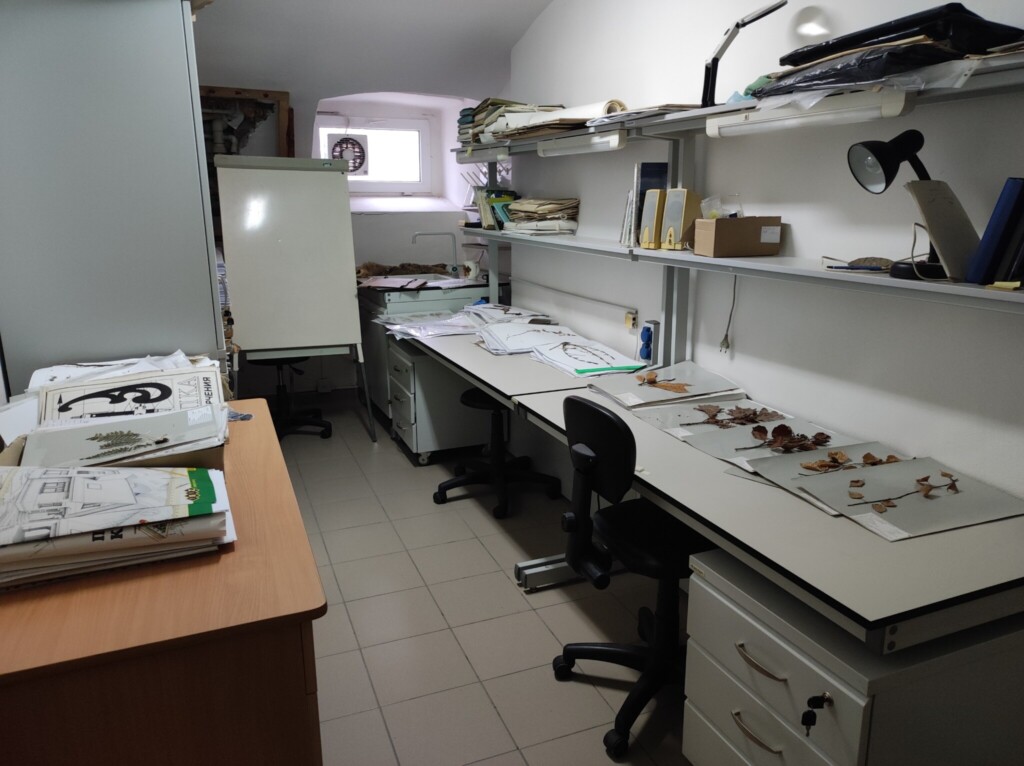
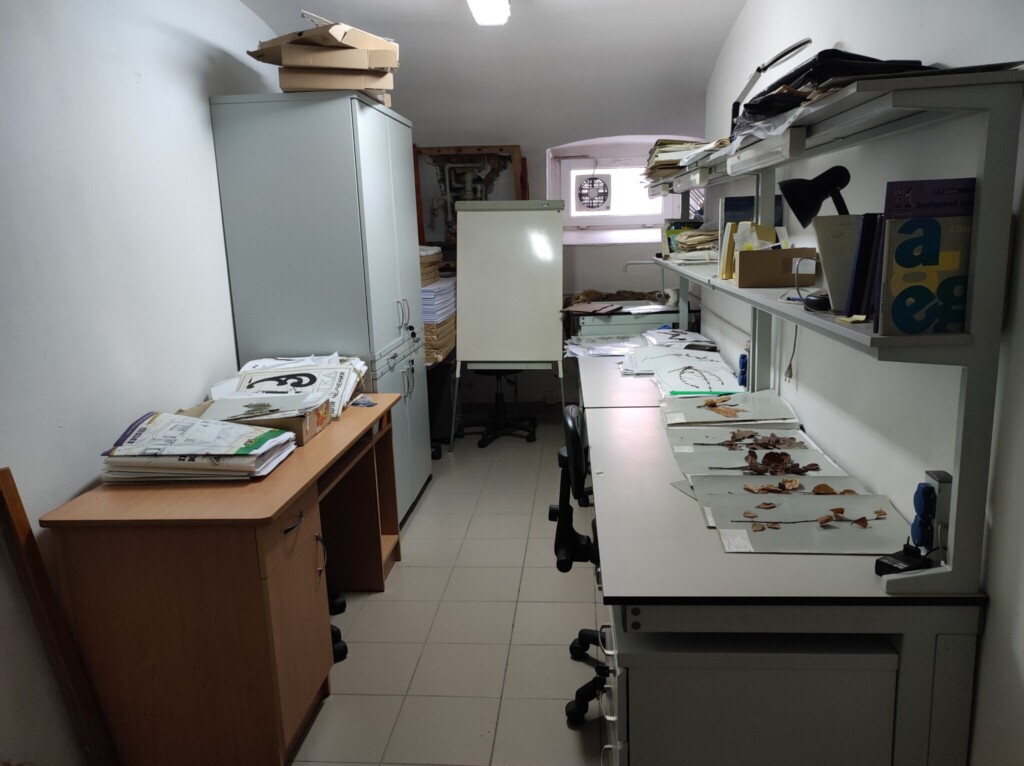
The Scientific Herbarium Preparation Room is a specialised technical facility primarily intended for the professional processing and long-term preservation of collected plant specimens, as well as their subsequent preparation for storage in the herbarium collection and for scientific use.
The room provides appropriate conditions for the proper pressing and rapid drying of freshly collected plant specimens, helping to preserve their morphological characteristics and ensuring their suitability for long-term herbarium storage.
Newly collected specimens may contain insects, larvae or other pests that could subsequently damage the herbarium collection. To prevent this, specialised procedures are carried out in the preparation room to disinfest specimens and eliminate potential pests. These procedures may include deep freezing and, where appropriate, controlled chemical treatment or fumigation, helping to ensure the long-term protection and preservation of the Scientific Herbarium collection.
Plant Micropropagation Laboratory (Preparation Laboratory)
Room Description:
The laboratory is one of the principal facilities for practical laboratory training in subjects such as general biotechnology, plant genetic engineering, microbiology and mycology. Here, students acquire essential practical skills in working with microorganisms, plant tissue cultures and biotechnological methods used in various fields of biological research.
The laboratory consists of several specialised sections designed to support the different stages of laboratory and plant tissue culture work.
Washing and Autoclave Room
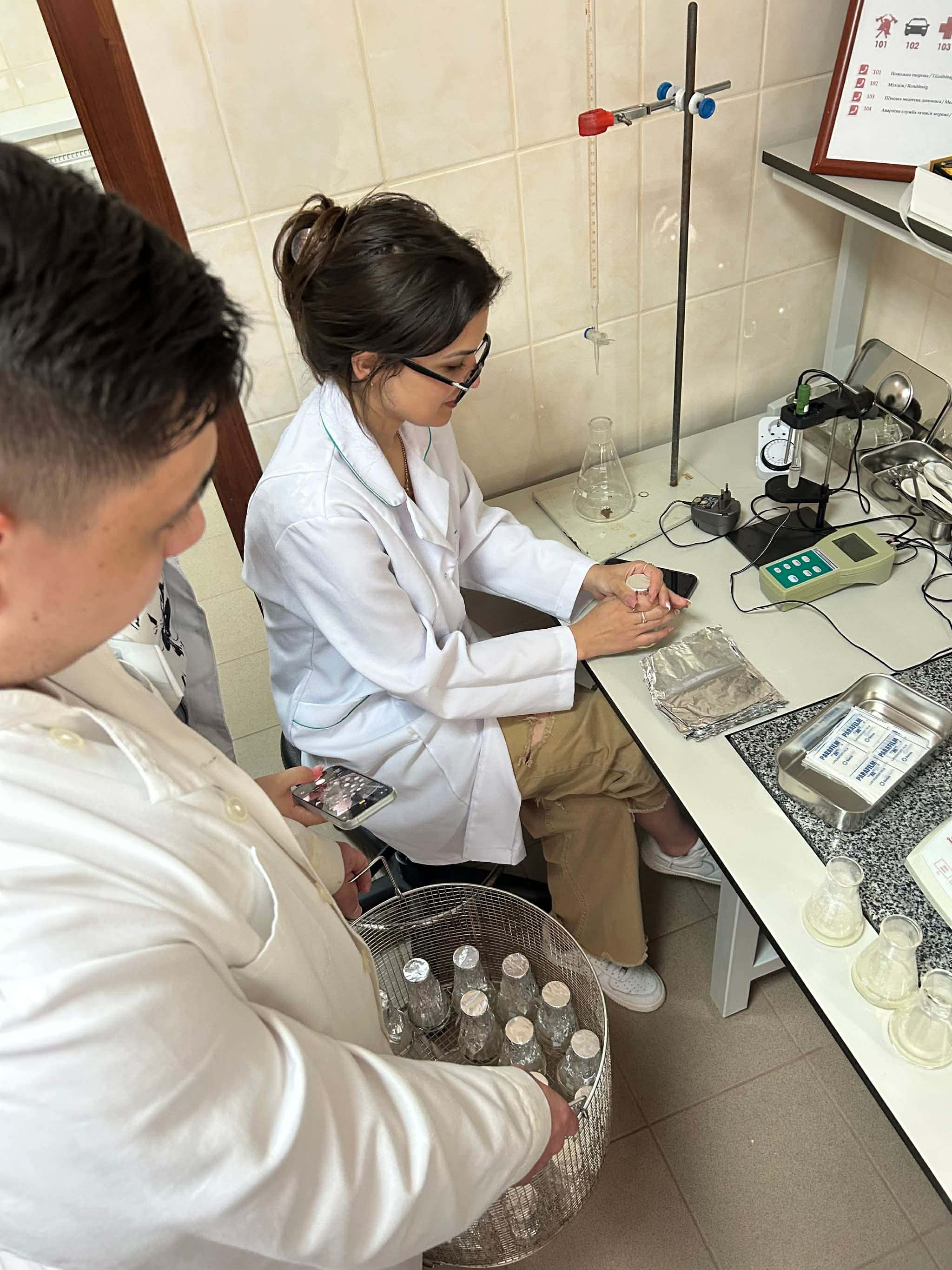
This area is designed for the washing, preparation and sterilisation of laboratory glassware, instruments and plant material prior to experimental work.
The main equipment includes acid-resistant sinks with hot and cold water, drying racks and storage cabinets, an autoclave for sterilising laboratory glassware and culture media, a refrigerator for storing solutions and culture media, and containers for distilled water.
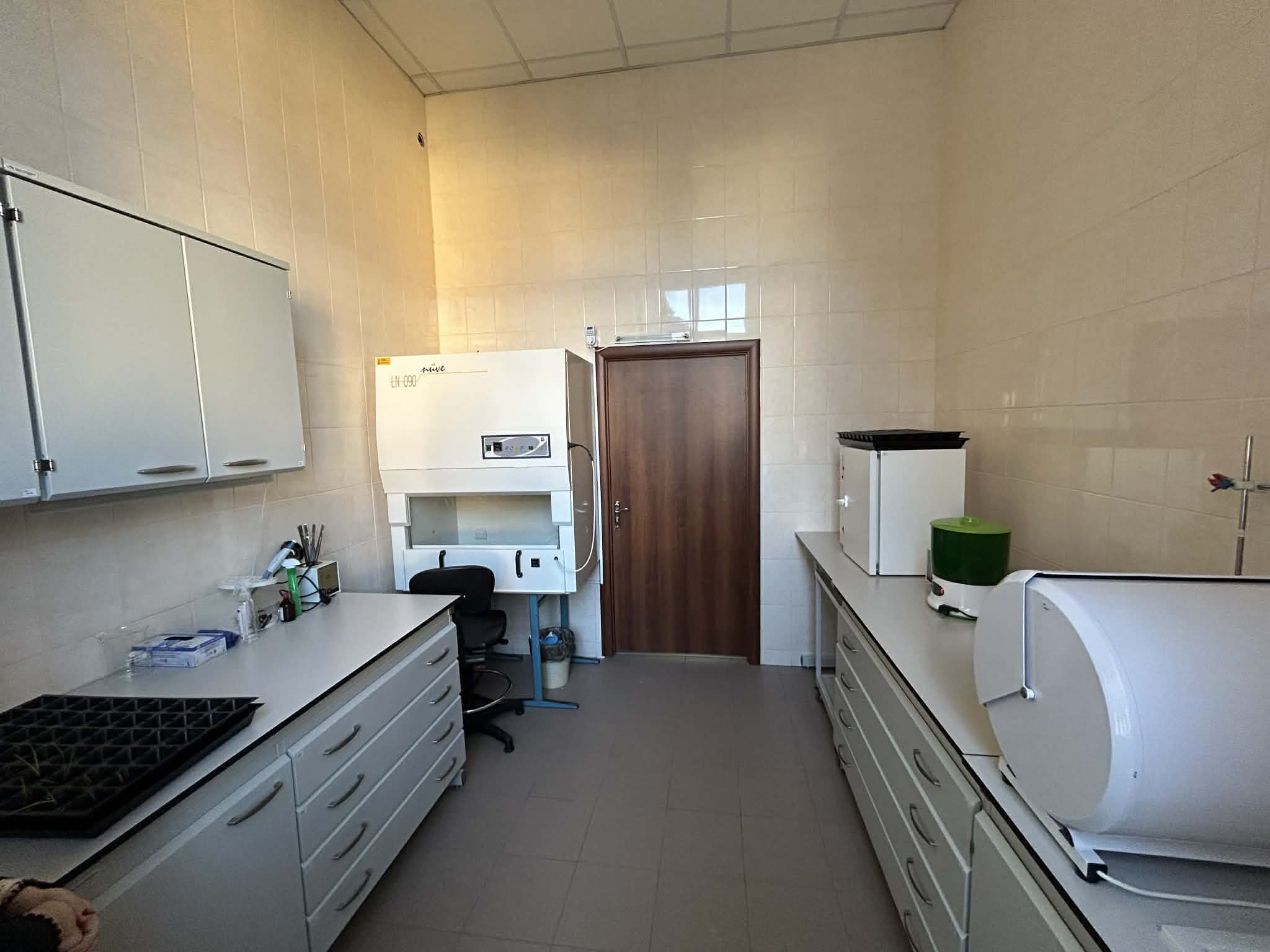
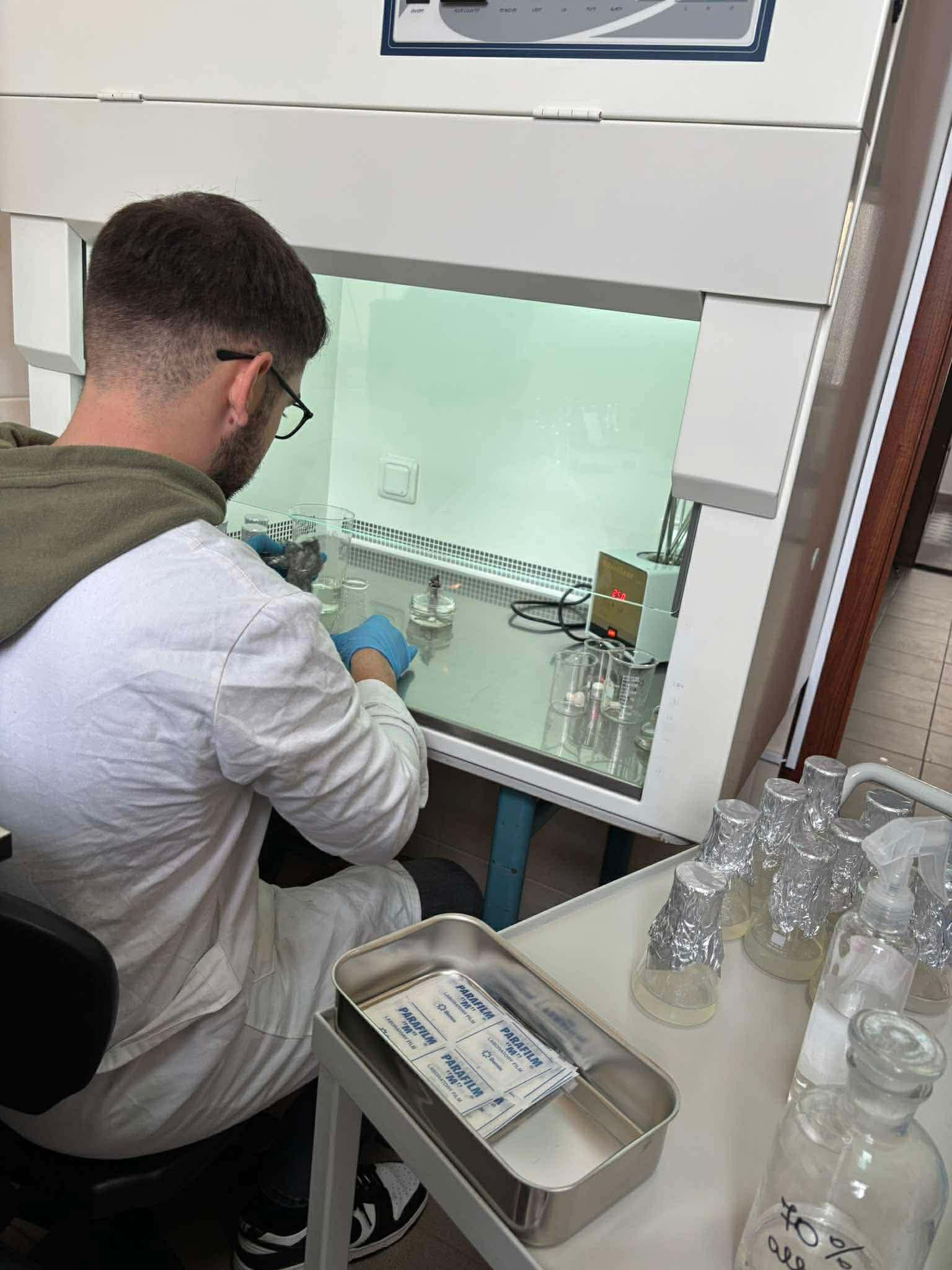
Aseptic (Sterile) Working Room
This room is designed for procedures requiring sterile working conditions, particularly the isolation, manipulation and transfer of plant tissues and plant material.
The main equipment includes a laminar flow cabinet providing sterile filtered air and UV sterilisation, a UV cabinet for storing sterile instruments, a bead steriliser for the thermal sterilisation of metal instruments, a drying oven for dry-heat sterilisation, and chemical sterilising solutions.
Together, these specialised areas provide the controlled conditions required for practical training and laboratory work in plant micropropagation, plant tissue culture, microbiology, mycology and biotechnology.
Plant Cultivation Laboratory
Room Description:
The Plant Cultivation Laboratory consists of two specialised rooms, which provide the controlled conditions required for the preparation of culture media and the cultivation of plants under regulated environmental conditions.
Culture Media Preparation Room
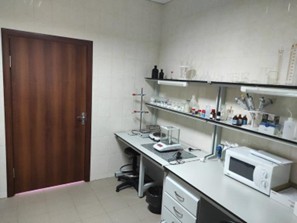
This room is designed for the preparation and accurate dispensing of culture media used in plant tissue culture and related laboratory procedures.
The main equipment includes reagent cabinets, magnetic stirrers, hotplates, analytical balances, automatic pipette dispensers, and other laboratory equipment required for the accurate preparation and dispensing of culture media.
Growth (Light) Room
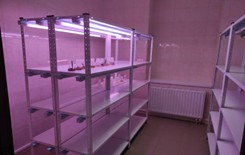
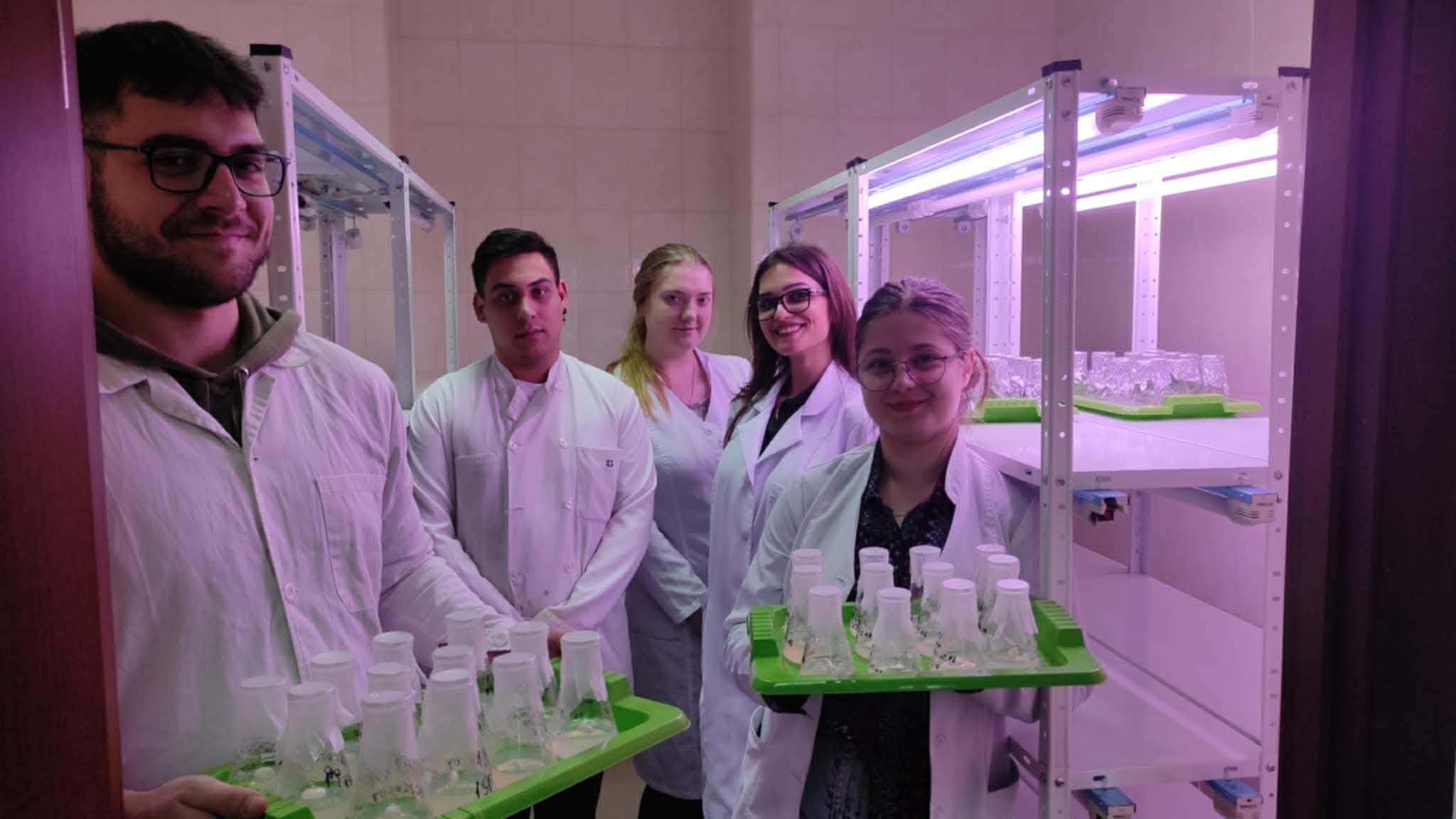
The growth room is designed for the cultivation of plants under controlled light and temperature conditions. It provides an appropriate environment for maintaining plant cultures and supporting their growth and development under standardised laboratory conditions.
The main equipment includes metal shelving units, specialised plant-growth lamps providing light for photosynthesis, programmable timers, a UV/bactericidal lamp, and a thermometer.
Together, the two rooms provide the necessary conditions for the preparation of culture media and the controlled cultivation of plant material, supporting practical training and research in plant biotechnology, tissue culture and micropropagation.
Lecture Room
Room Description:
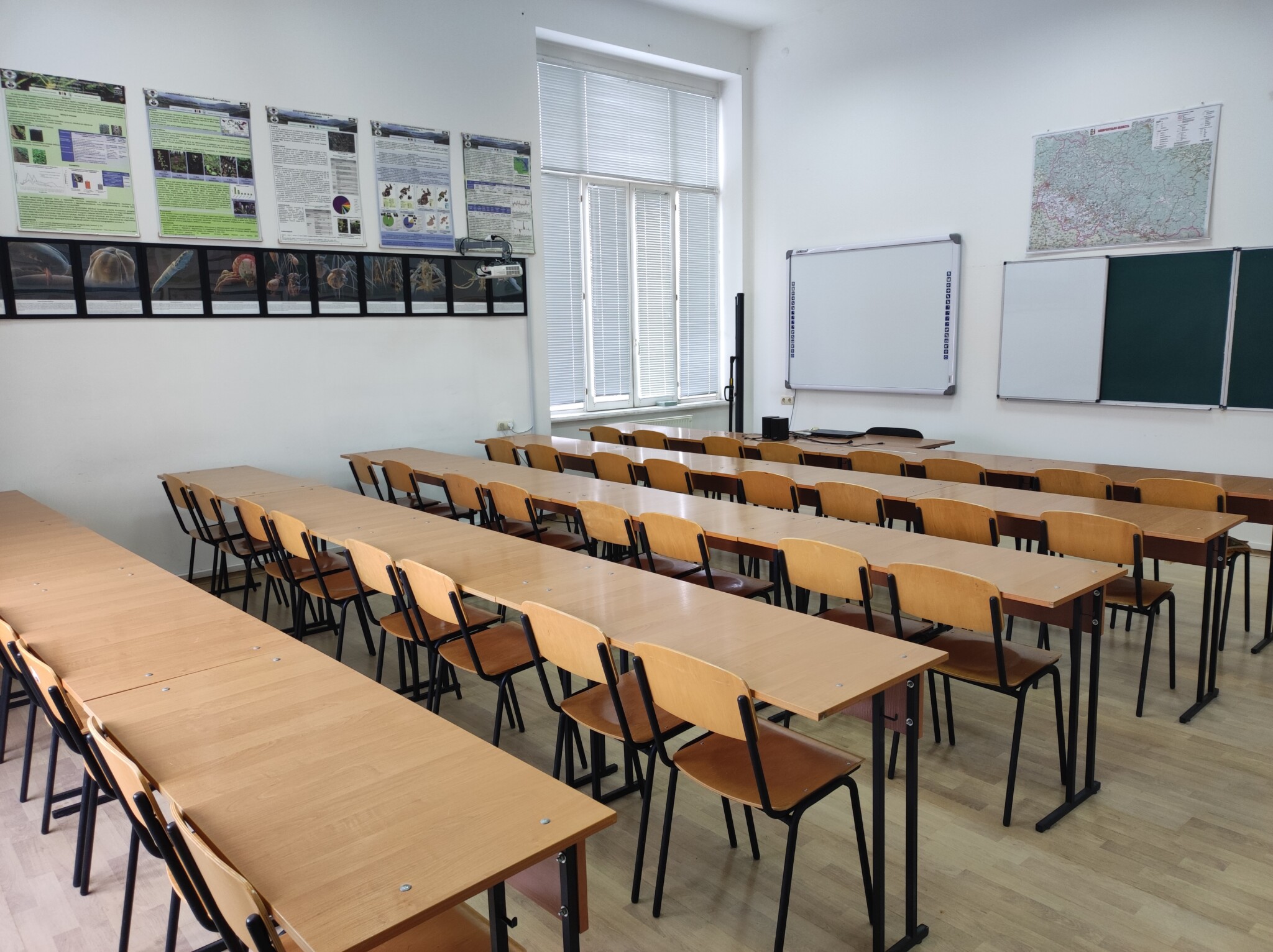
The lecture room is designed for lectures, seminars and other classroom-based teaching activities. It provides a suitable environment for presenting theoretical course material and supporting students’ learning through visual and multimedia resources.
The room is equipped with a laptop, multimedia projector and traditional writing board, enabling lecturers to combine conventional teaching methods with digital presentations and other multimedia-based educational materials.
Lecture Room
Room Description:
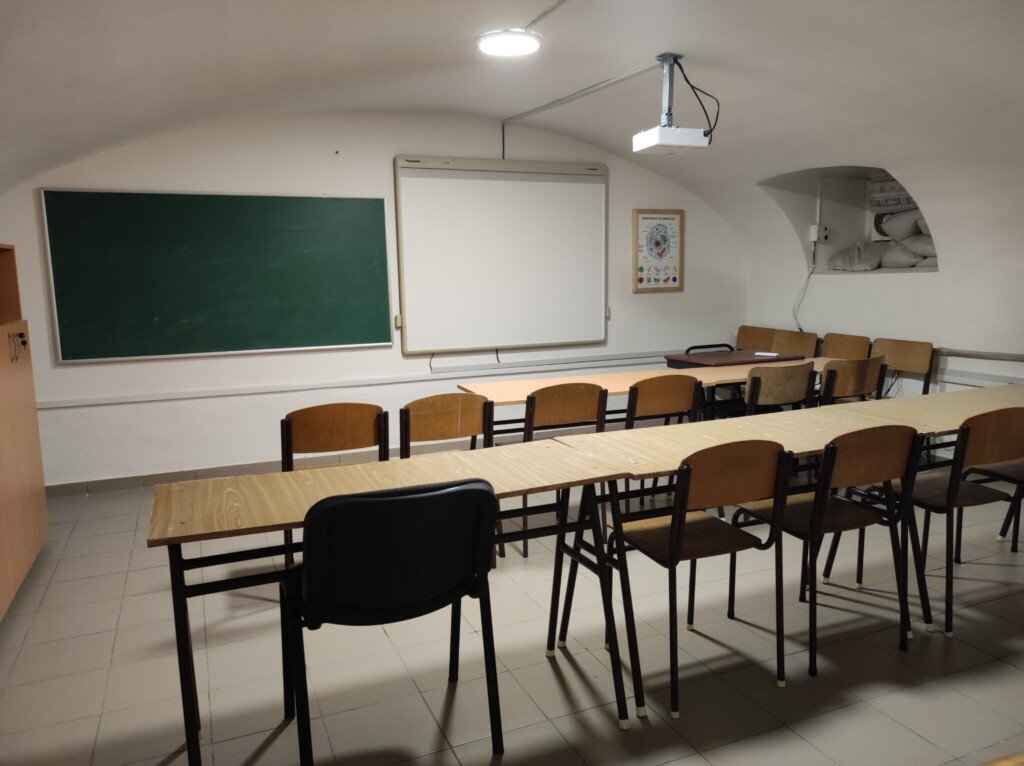
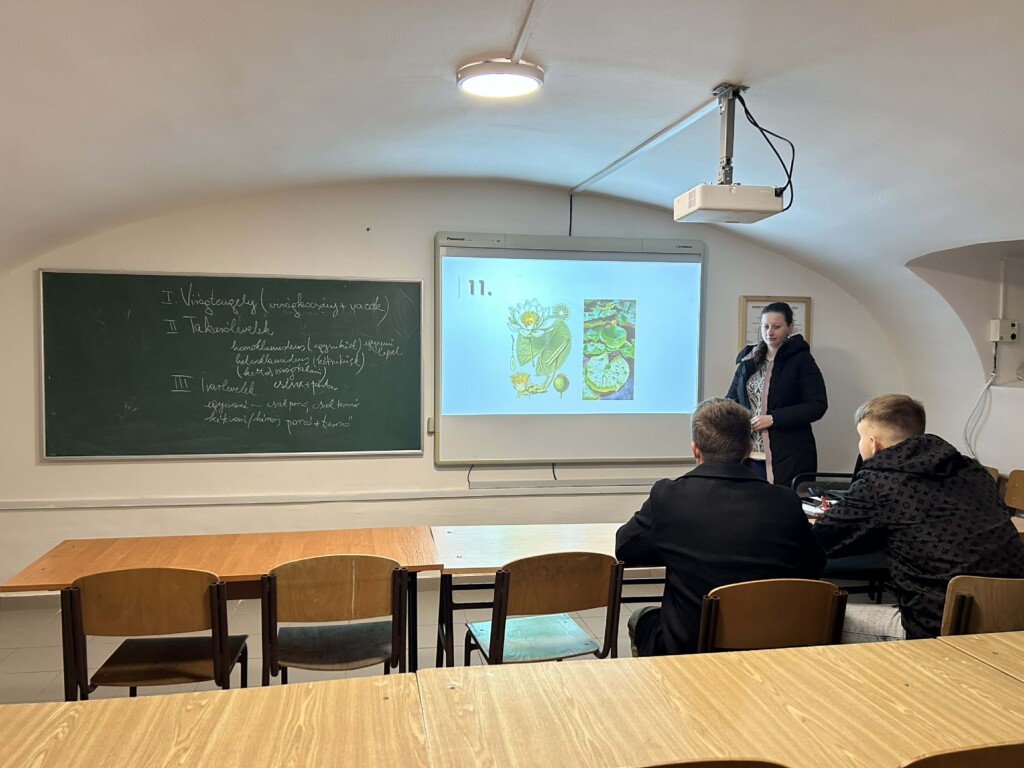
The lecture room is designed for lectures, seminars and other classroom-based teaching activities. It provides a modern and well-equipped environment for presenting theoretical course material and supporting interactive teaching and learning.
The room is equipped with a laptop, multimedia projector, interactive whiteboard and traditional writing board, enabling lecturers to combine conventional teaching methods with digital presentations, interactive educational resources and other multimedia-based teaching materials.