
Fodor István Research Centre for Natural Sciences
Address: 90202 Berehove, Kossuth square 6.
Fax/Phone: +380 3141 23462
E-mail: fodoristvankk@kmf.org.ua
Website: https://fodoristvankk.kmf.uz.ua/
Head of Centre: Dr. István Kolozsvári
The Fodor István Research Centre for Natural Sciences was established in September 2011 on the basis of the Department of Biology and Chemistry of the Ferenc Rakoczi II Transcarpathian Hungarian University. The institute’s namesake is the internationally esteemed botanist and ecologist of Transcarpathia, Prof. Dr. István Fodor, who was born in Alsógereben in 1907. The purpose of its establishment is to enable the Ferenc Rakoczi II Transcarpathian Hungarian University to engage in the comprehensive monitoring and investigation of Transcarpathia’s natural treasures within a focused and specialized institutional framework.
Through its work and results, the Fodor István Research Centre for Natural Sciences promotes the prompt discovery and mapping of the occurrences of Transcarpathia’s endemic and relict species. Furthermore, by establishing a botanical garden featuring protected and rare species, it contributes to the preservation of the gene pool of these species.
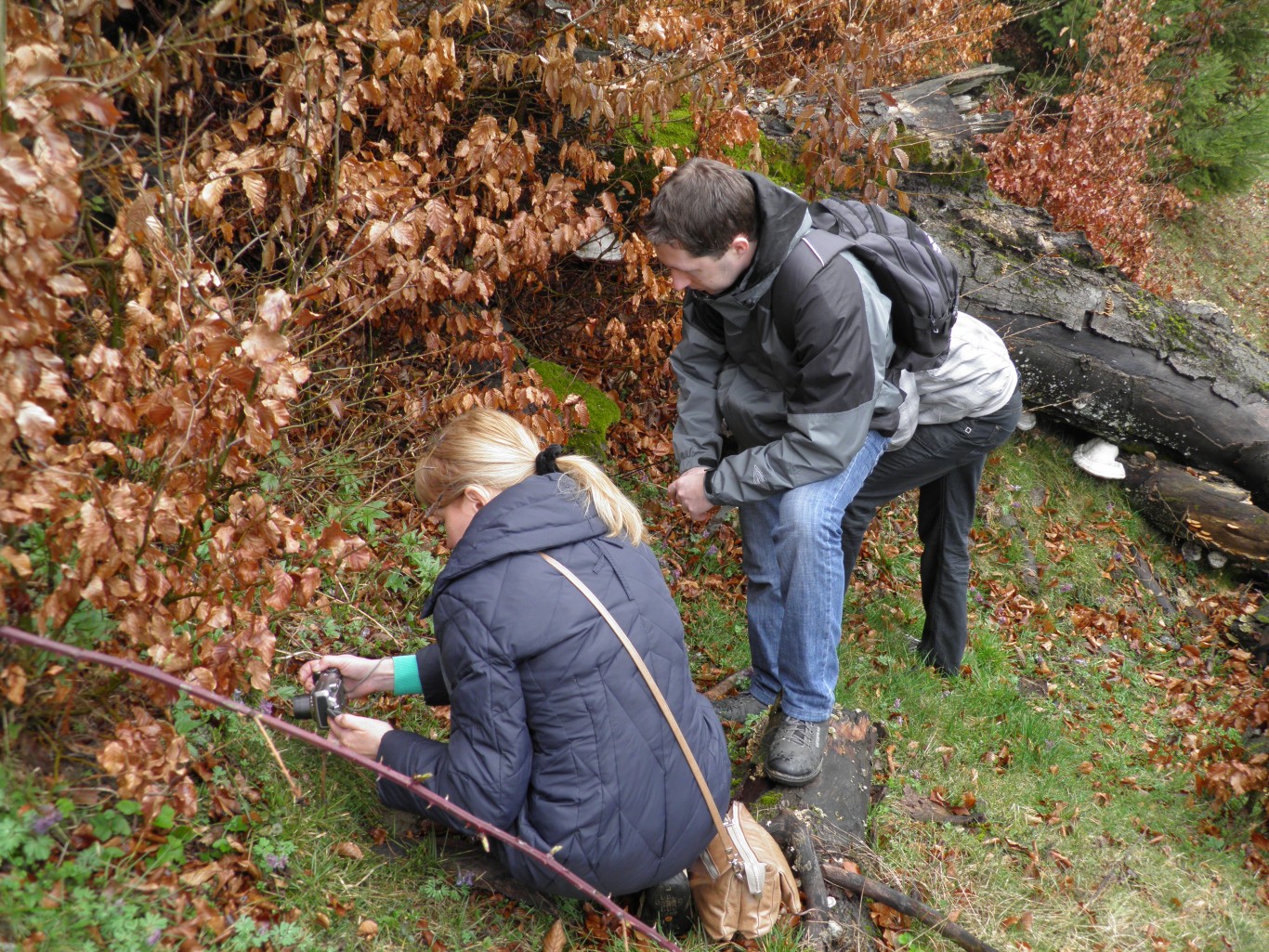
The institute’s operational profile and goals include the exploration of Transcarpathia’s natural treasures, their scientific mapping, promoting their preservation, the exploration of the plant and animal species living here, monitoring the changes in their habitats, and creating scientific collections. Within our research programs, we have conducted botanical and zoological surveys and collected plant propagation materials in numerous lowland and mountainous regions of Transcarpathia.
During our field visits, the collected plants and animals are preserved and prepared for placement in our collections. The plant propagation materials are transferred to the Szikura József Botanical Garden of the Ferenc Rakoczi II Transcarpathian Hungarian University.
Within the framework of cooperation agreements, our institute also participates in several domestic and international research programs.
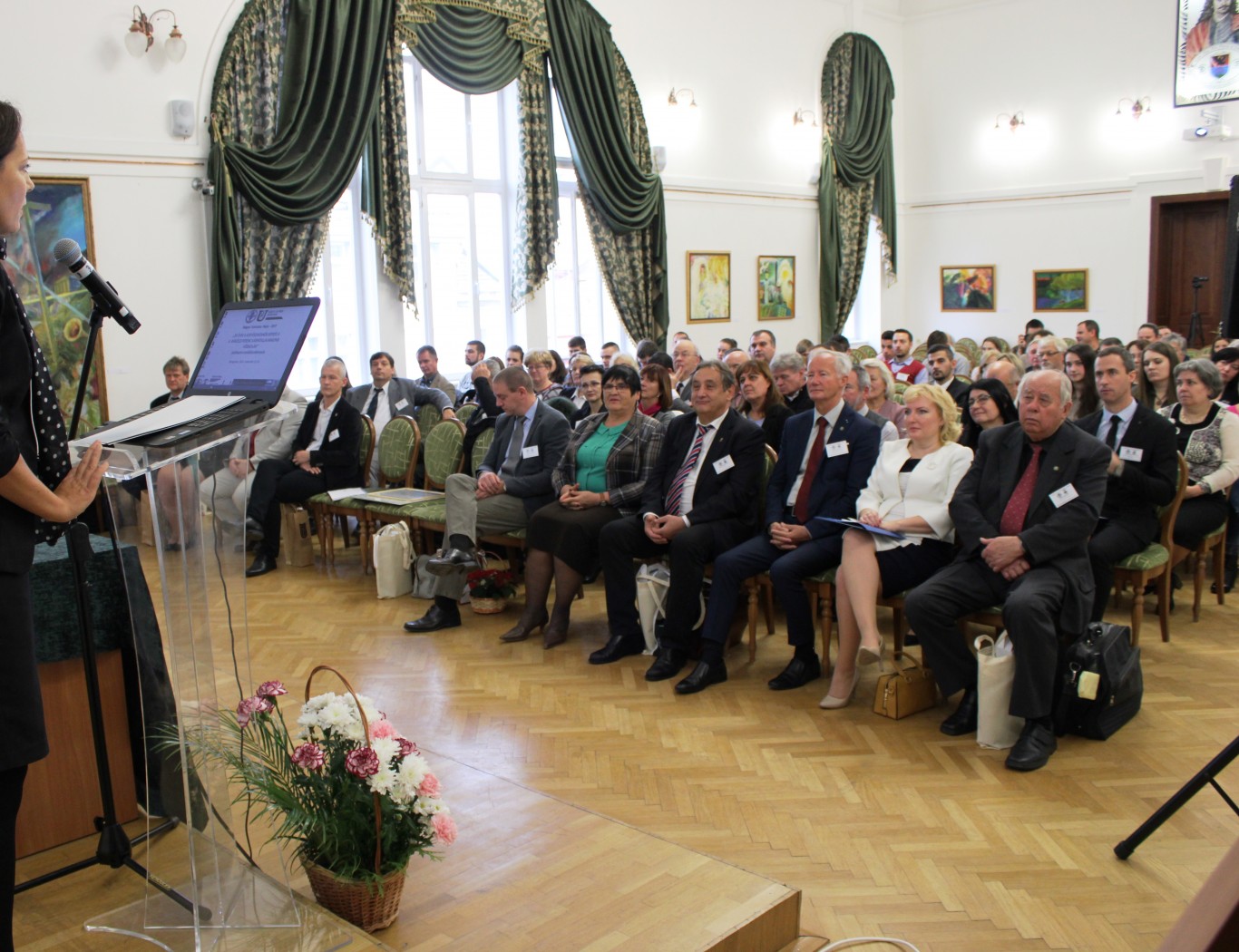
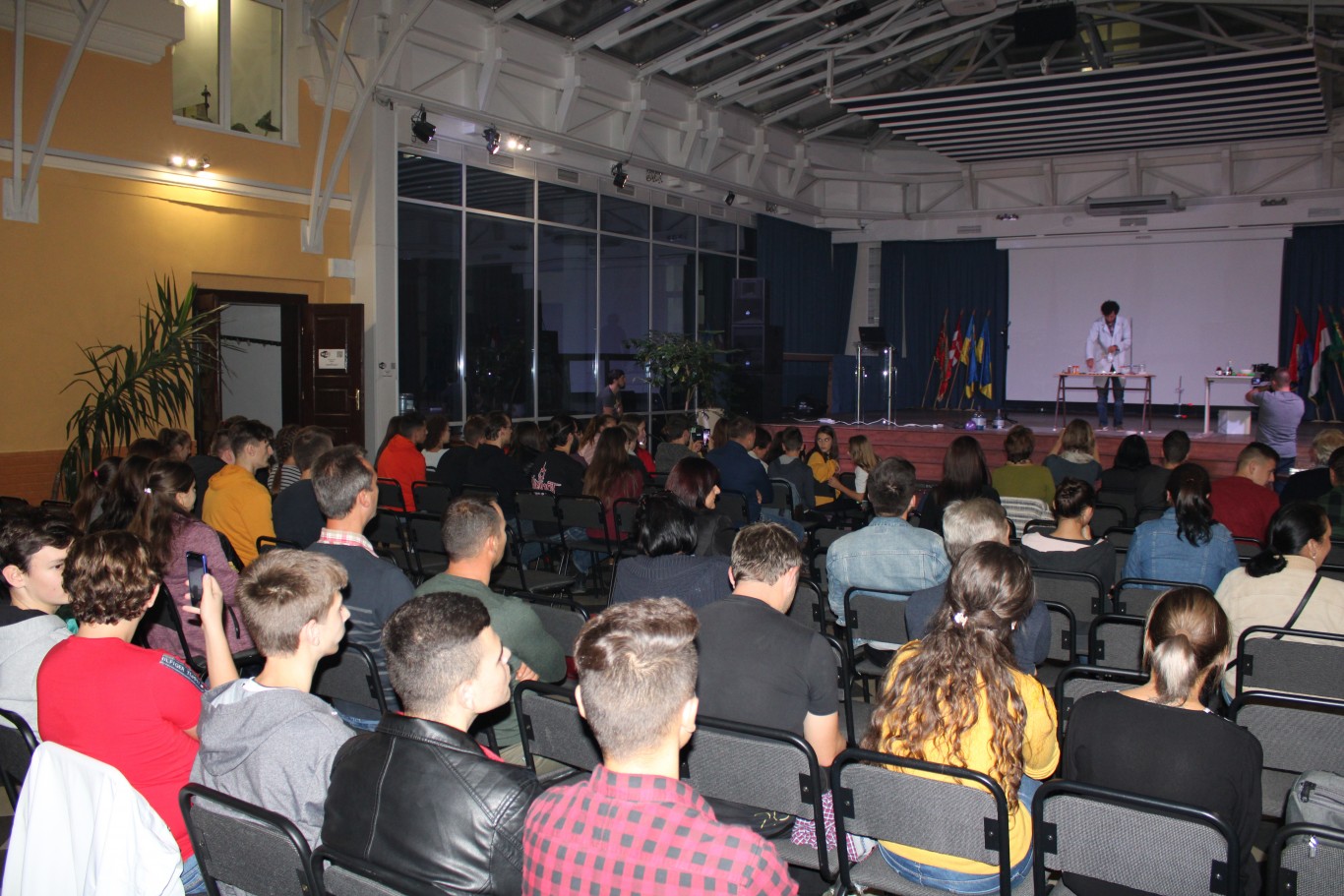
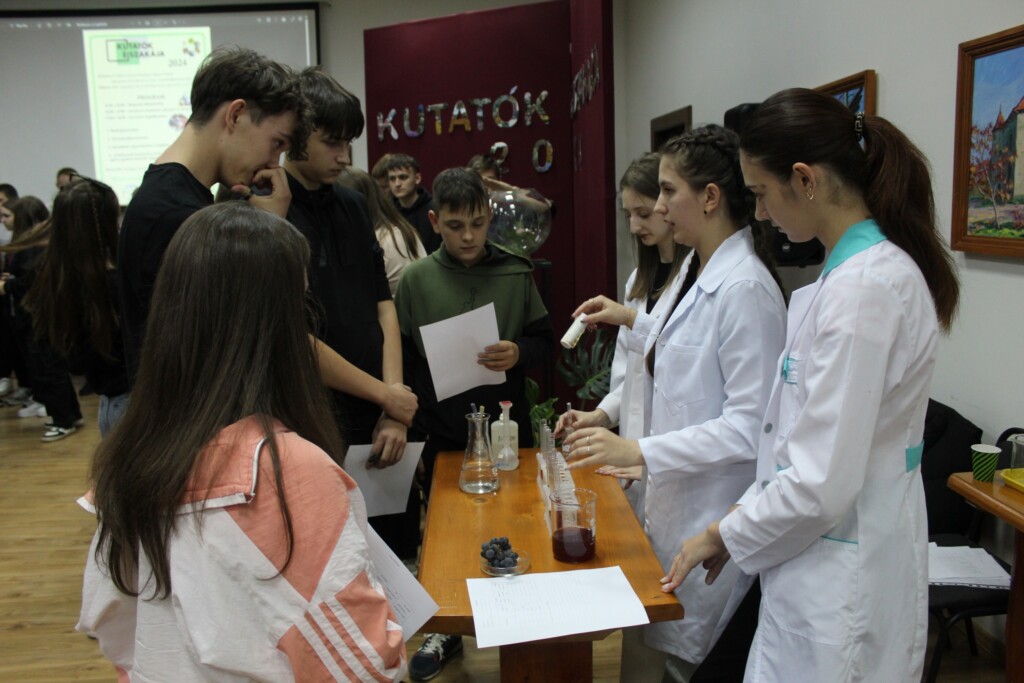
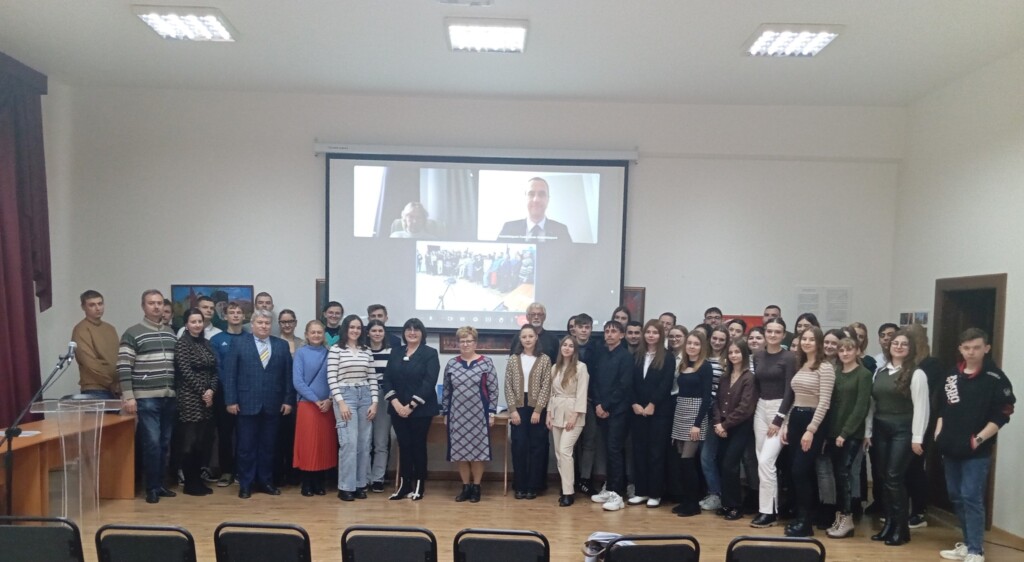
Significant Scientific Events Organized by the Fodor István Research Centre for Natural Sciences Since its Establishment
2011
- September 13, 2011 – Seminar Presentation: Milan Blažek – The Iris species of the Průhonice Botanical Garden;
- November 3, 2011 – Scientific Workshops in the Service of Hungarian Scholarship in Transcarpathia;
2012
- June 18, 2012 – Intellectual and Infrastructural Conditions for Hungarian-Language Scientific Research;
- November 16, 2012 – Exploratory Research at the Fodor István Research Workshop of the Ferenc Rakoczi II Transcarpathian Hungarian University;
2013
- May 15, 2013 – Seminar Presentations: Seminar I – Dr. Attila Borhidi – Evolution and Darwinism. The Problems of Molecular Evolution. Ethnoecology as a New Scientific Field;
- May 16, 2013 – Opportunities for International Cooperation in the Preservation of the Natural Treasures of the Carpathian Basin – international scientific conference;
- November 15, 2013 – Science Living Among Us – international scientific conference;
2014
- March 26–28, 2014 – CERECO-2014: The 5th International Conference on Carpathian Euroregion;
- November 28, 2014 – Day of Science 2014 – commemoration;
2015
- May 14–16, 2015 – International scientific conference in honor of Lajos Vágner;
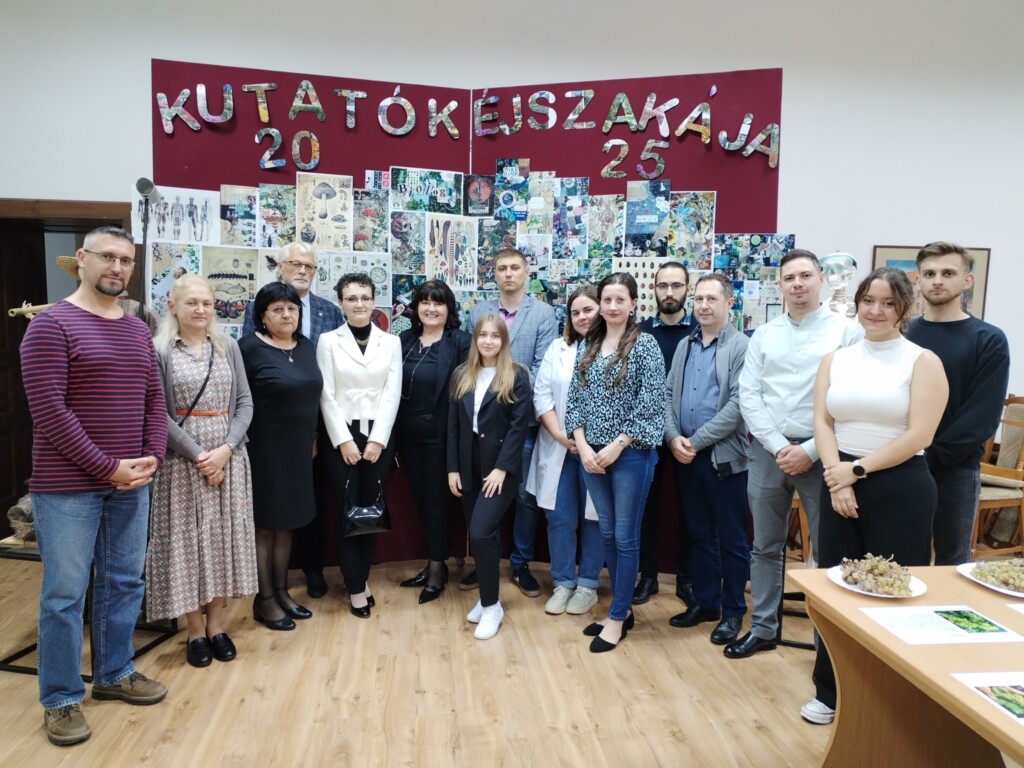
- September 25, 2015 – Researchers’ Night;
- November 6, 2015 – Day of Science 2015 – commemoration;
2016
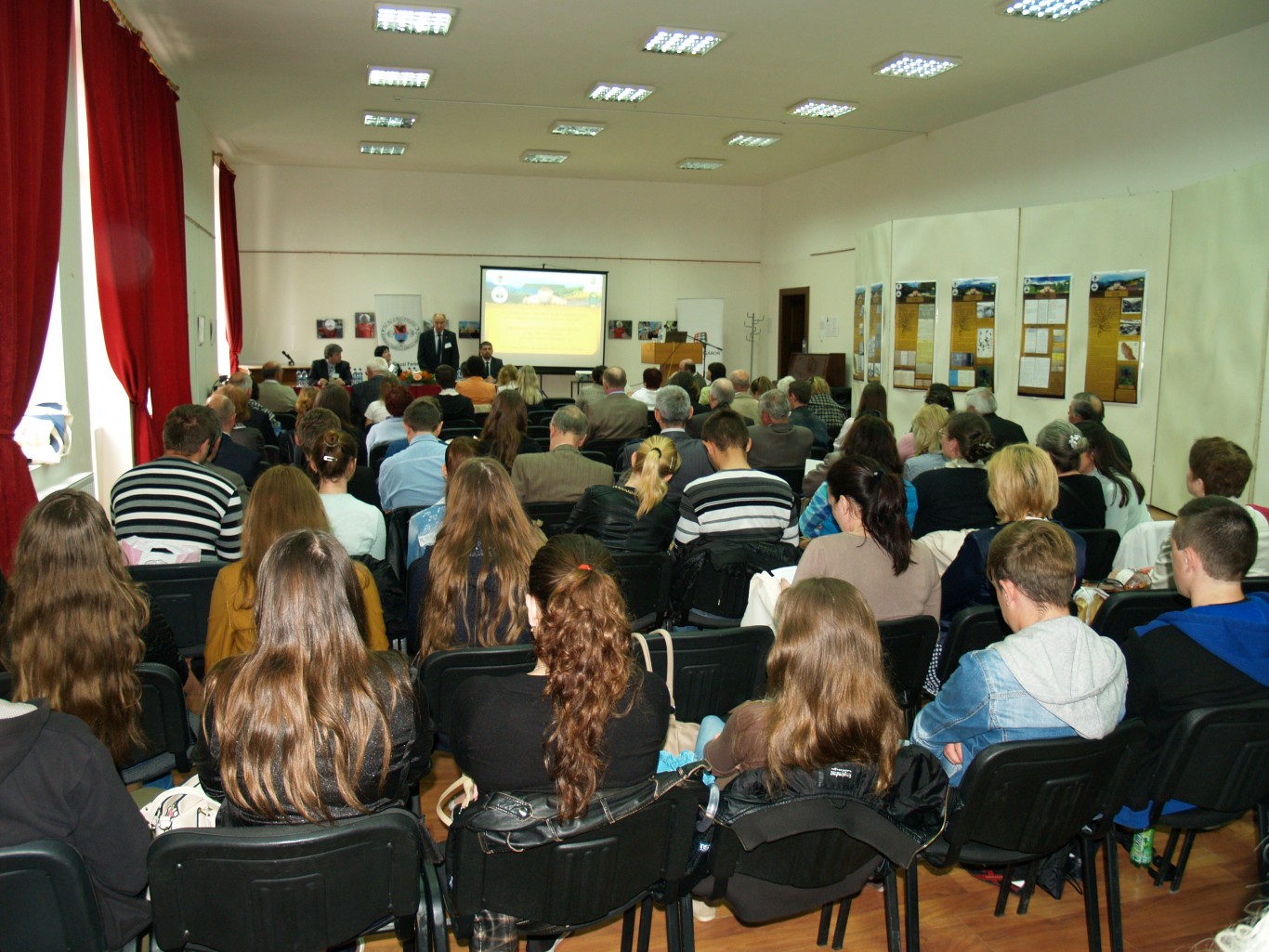
- June 1–4, 2016 – XII. Carpathian Basin Environmental Science Conference
- September 29, 2016 – Researchers’ Night
- November 18, 2016 – Day of Science 2016
2017
- March 30 – April 1, 2017 – CERECO-2017: The 6th International Conference on Carpathian Euroregion
- October 4, 2017 – Researchers’ Night
- November 9, 2017 – Day of Science 2017
2018
- May 25, 2018 – Day of Botanical Gardens and Dendrological Parks
- September 20–22, 2018 – XII International Conference “Synanthropization of flora and vegetation”
- November 16, 2018 – Day of Science 2018
2019
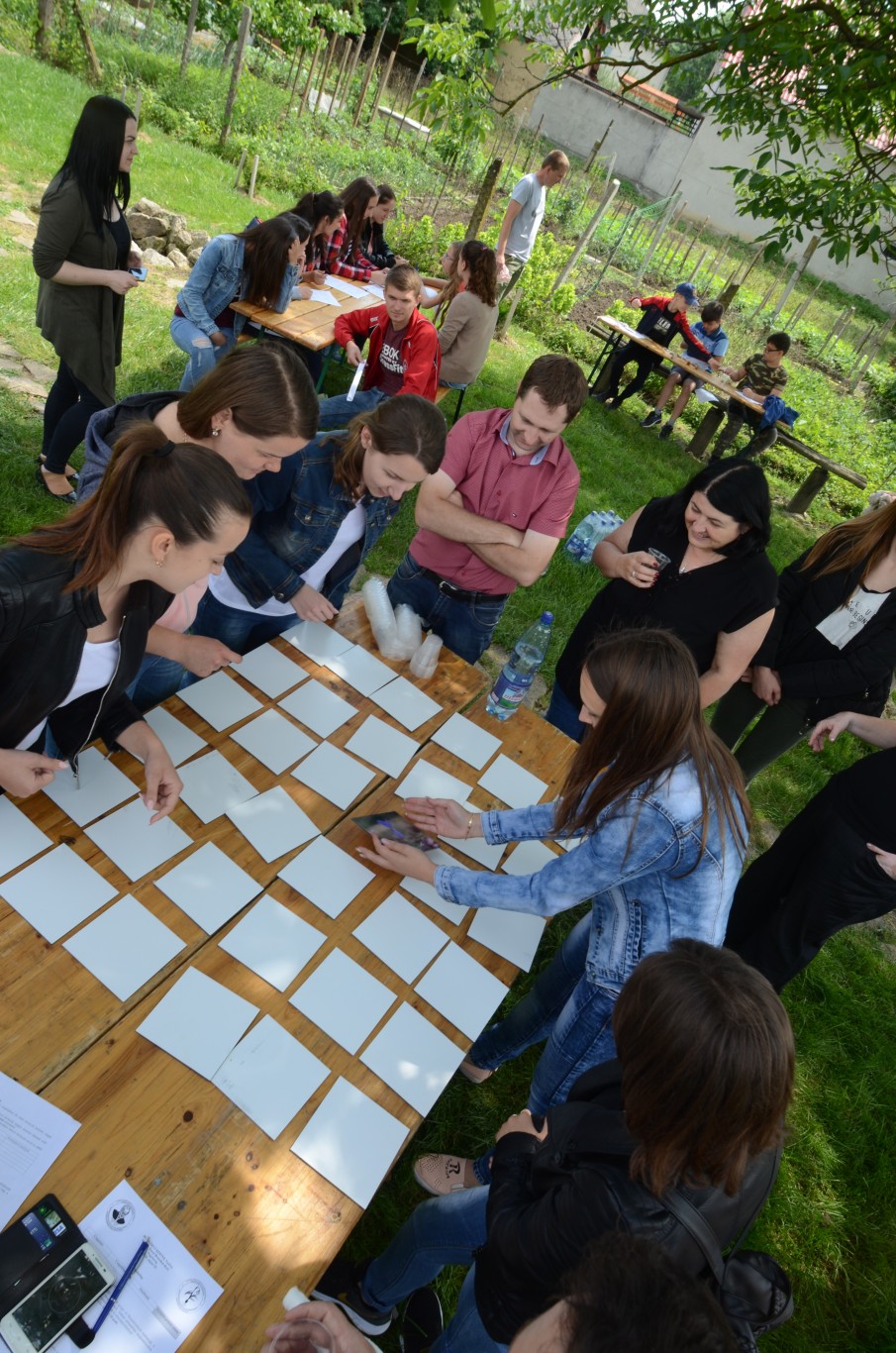
- September 26, 2019 – Researchers’ Night
- November 15–16, 2019 – Day of Science 2019 – Jubilee Memorial Conference
2020
- November 20, 2020 – Day of Science 2020
- November 27, 2020 – Researchers’ Night
2021
- April 22, 2021 – Earth Day
- June 3, 2021 – Day of Botanical Gardens and Dendrological Parks
- September 22, 2021 – Researchers’ Night
- November 11–12, 2021 – Day of Science
2022
- April 22, 2022 – Earth Day
- September 22, 2022 – Researchers’ Night
- November 10, 2022 – Day of Science
2023 рік:
- 20 квітня 2023 року – День Землі
- 2 жовтня 2023 року – Ніч дослідників
- 14 листопада 2023 року – День науки 2022
2024 рік:
- 16 квітня 2024 року – День Землі
- 22 вересня 2024 року – Ніч дослідників
- 10 листопада 2024 року – День науки 2022
2025 рік:
- 22 квітня 2025 року – День Землі
- 22 вересня 2025 року – Ніч дослідників
- 10 листопада 2025 року – День науки 2022
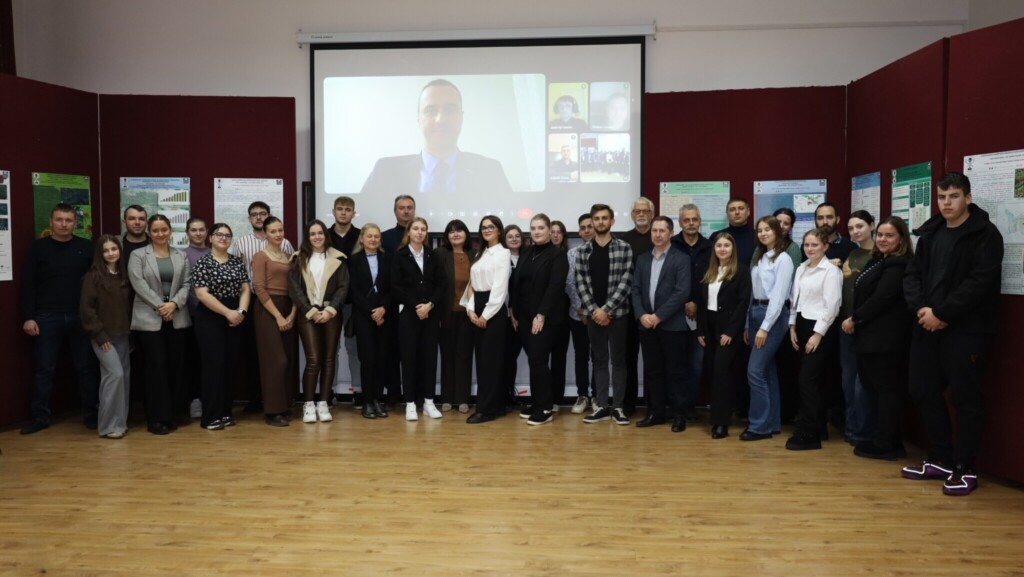
Infrastructure of the Fodor István Research Centre for Natural Sciences
Szikura József Botanical Garden
The botanical collection garden of the Ferenc Rakoczi II Transcarpathian Hungarian University was established in 2011 at the initiative of Prof. Dr. József Szikura.
The stated goal of establishing and maintaining the botanical garden is to contribute to the preservation and propagation of native and the world’s rare and protected plant species, taking into account the local habitat conditions. In addition to preserving the gene pool of the species living here, the collection also functions as a botanical experimental site and as an educational practice area for the university’s students.
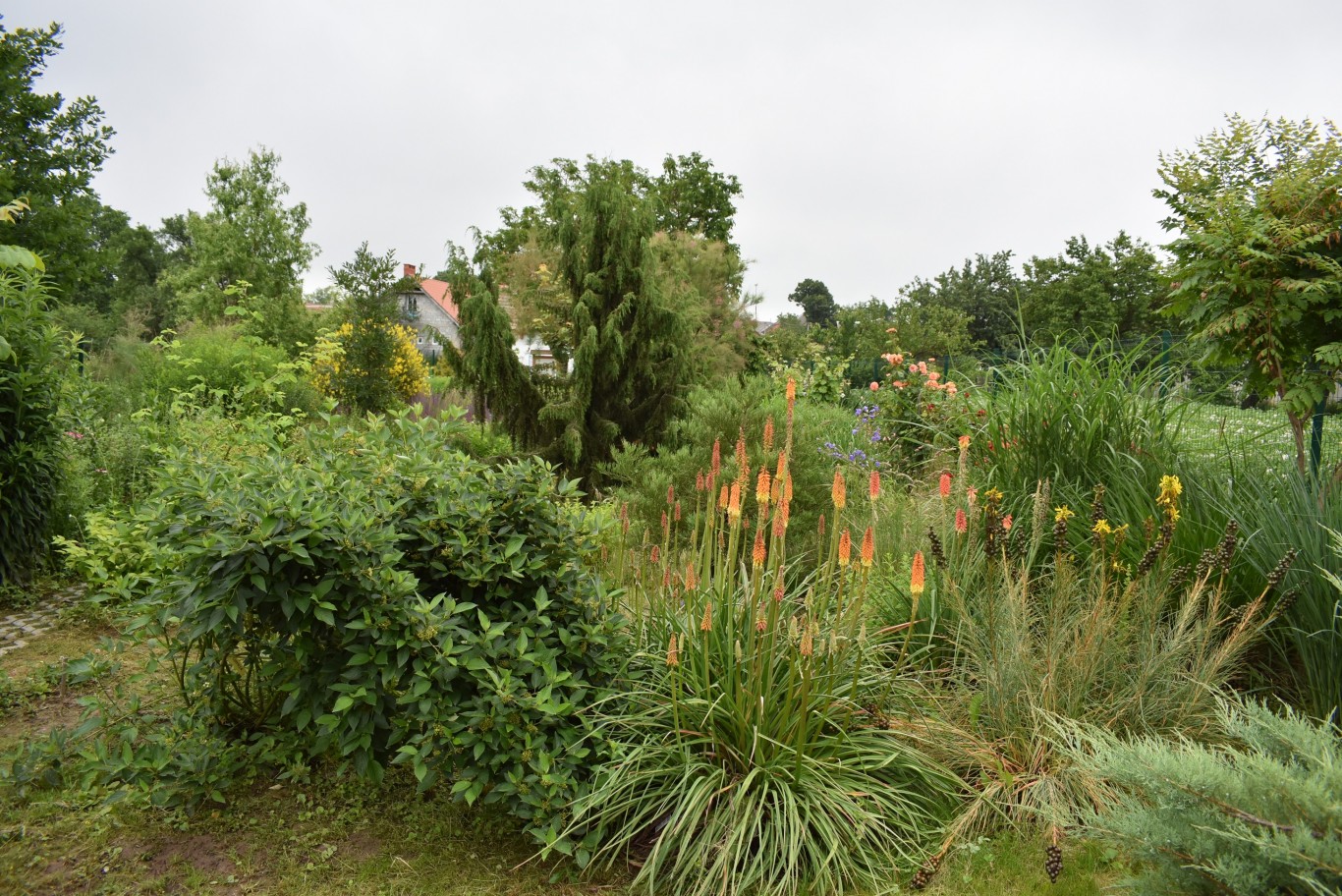
The collection is maintained by the Fodor István Research Centre for Natural Sciences and the Department of Biology and Chemistry of the Ferenc Rakoczi II Transcarpathian Hungarian University.
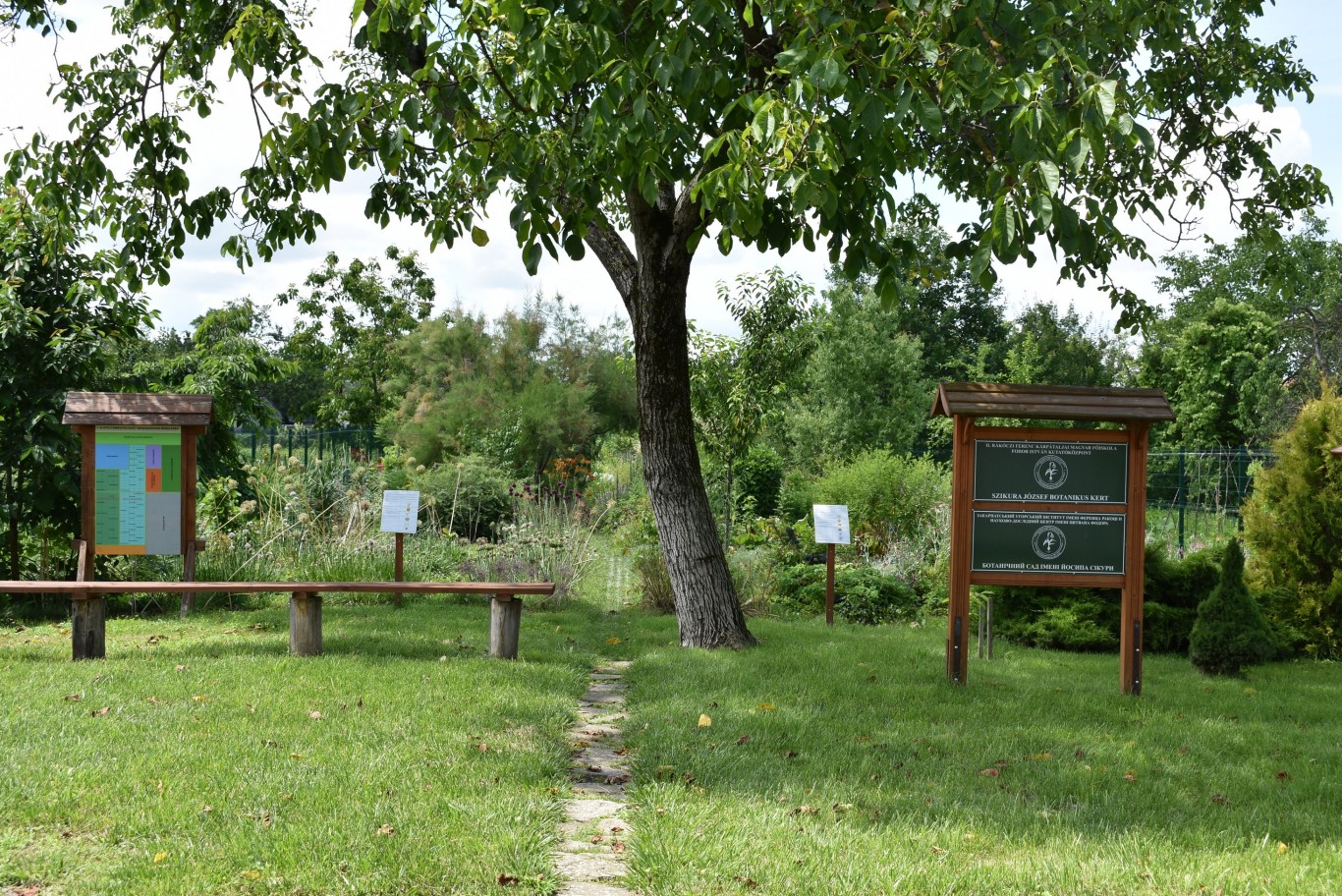
The expansion of the botanical garden’s flora collection is an ongoing process. A significant portion of the introduced plants originates from the field collections of the staff at the Fodor István Research Centre and the Department of Biology and Chemistry. However, we have also successfully obtained propagation material for many species and varieties through the cooperation of our partners. To date, we have established collaborations with more than 20 partner institutions in Ukraine, Hungary, Russia, the Czech Republic, and Kazakhstan.
- Central Botanical Garden of the Institute of Botany and Phytointroduction of the Ministry of Education and Science of Kazakhstan (Kazakhstan)
- Botanical Garden of the University of Debrecen (Hungary)
- Diószegi Sámuel Botanical Garden (Hungary)
- ELTE Botanical Garden (Hungary)
- Erdőtelek Arboretum (Hungary)
- Fomin Botanical Garden (Ukraine)
- Gergely Ornamental Nursery (Hungary)
- M.M. Gryshko National Botanical Garden (Ukraine)
- Botanical Garden of the Research Institute for Medicinal Plants (Hungary)
- Keszthely Botanical Garden (Hungary)
- Vácrátót Botanical Garden (Hungary)
- Centre for Plant Diversity (Hungary)
- Nizhny Novgorod Botanical Garden (Russia)
- Sopron Botanical Garden of the University of West Hungary (Hungary)
- G. Genkel Botanical Garden of Perm State University (ПГНИУ) (Russia)
- Botanical Garden of the University of Pécs (Hungary)
- Průhonice Botanical Garden (Czech Republic)
- Szarvas Arboretum (Hungary)
- Experimental Plant and Training Farm of Szent István University (Hungary)
- Soroksár Botanical Garden of Szent István University (Hungary)
- Ufa (УНЦ РАН) Botanical Garden (Russia)
- Research and Advisory Centre for Fruit Growing in Újfehértó (Hungary)
- National Botanical Garden, Vácrátót (Hungary)
Despite the botanical garden’s small area (6000 m²), it already manages the propagation material of more than 500 tree, shrub, and herbaceous species and varieties.
Sections:
- Monocots
- Dicots
- Dendrological Collection
- Evergreen Collection
- Spices and Medicinal Herbs
- Rock Garden
- Lavender Garden
- Memorial Trees of Graduating Students
Statistics:
- Number of families: A total of 70 families are represented.
- Woody and climbing plants: 25 families
- Herbaceous plants:
- Monocots: 14 families
- Dicots: 34 families
- Number of plants:
- Woody and climbing plants: 126
- Herbaceous plants:
- Monocots: 211
- Dicots: 185
- A total of 522 species, varieties, and cultivars are in the collection.
- Number of parcels: 225
- Families with the highest number of species:
- Amaryllidaceae
- Poaceae
- Iridaceae
- Caryophyllaceae
- Cupressaceae
In 2014, the collection garden in Velyki Berehy of the Ferenc Rakoczi II Transcarpathian Hungarian University was included in the list of botanical gardens of Ukraine by the Council of Botanical Gardens and Dendroparks of Ukraine.
In June 2018, the Scientific Council of the Ferenc Rakoczi II Transcarpathian Hungarian University decided to rename the collection garden to the Szikura József Botanical Garden.
Scientific Herbarium
In 2021, the Scientific Herbarium of the Ferenc Rakoczi II Transcarpathian Hungarian University was added to the international “Index Herbariorum” registry, created by the New York Botanical Garden, under the code “KMF”.

The development of the Scientific Herbarium of the Ferenc Rakoczi II Transcarpathian Hungarian University has been continued by the Fodor István Research Centre since 2011, building upon the collection established by the institution’s Department of Biology and Chemistry.
The Scientific Herbarium currently comprises 6,000 herbarium sheets, featuring prepared specimens of more than 1,000 plant species. The richest part of the collection is the collection of vascular plants. The primary goal of creating the scientific herbarium was to facilitate the institutionalized research of the region’s flora-forming species.
Zoological Collection
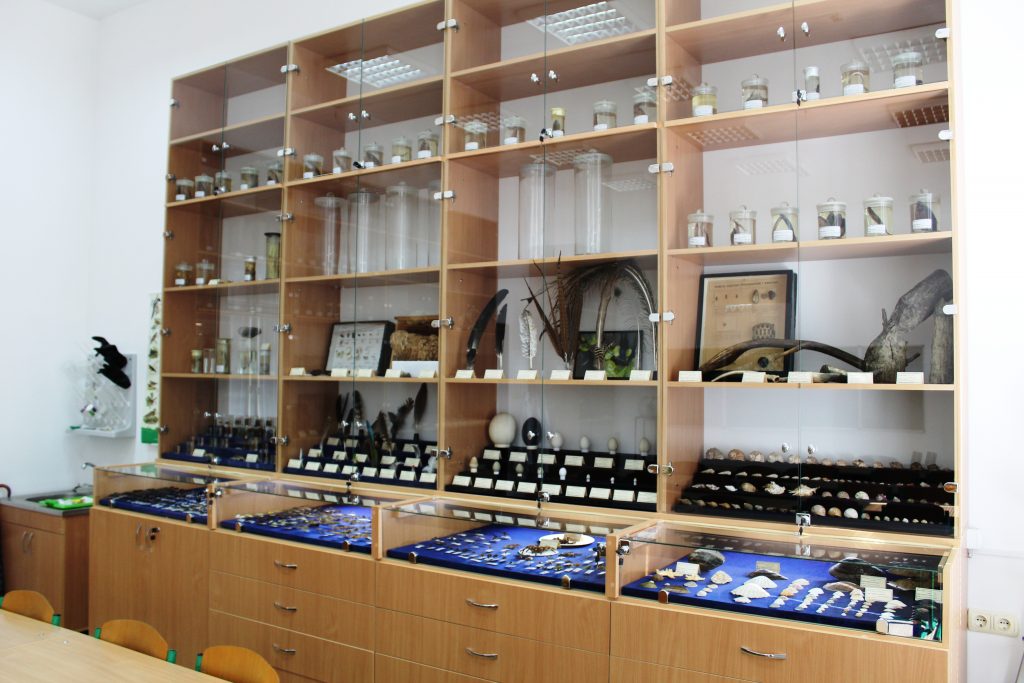
Our staff is also involved in the collection and processing of the University’s zoological materials. A portion of the zoological collection’s materials is currently undergoing preparation and taxonomic processing, and the storage units are being continuously filled. So far, there are nearly 1,000 categorized items.
Research Programs of the Fodor István Research Centre for Natural Sciences
Ecological Status Assessment of Wetlands in Transcarpathia
Our field experience shows that the wetlands of Transcarpathia have begun to degrade rapidly, primarily due to municipal waste, sewage, and the use of agricultural chemicals. Their condition affects the complex ecological state of the region. Within this research program, the first phase will involve assessing the condition of small and medium-sized watercourses in the lowland areas (Borzha, Latorica, Batár, Salva, Sharonda, Kerepets), as well as surveying standing waters (Tóvár Ornithological Reserve, Beregdéda Fishpond Hydrological Reserve, Déda-Mic Hydrological Reserve).
Investigation of the Waste Load of Transcarpathian Rivers, and the Nature and Recycling Possibilities of River Waste
The pollution of Transcarpathia’s rivers with municipally-sourced plastics has grown into a problem of international significance. Within the program, we will survey and locate waste dumps and the quantity of discarded waste. According to our plans, we will later extend our investigations to include microplastics.
Complex Ecological Status Assessment of the Velyka Dobron’ Wildlife Reserve
Based on the infrastructural capabilities of the forest school and field practice base established in the Velyka Dobron’ forest, we are conducting general ecological surveys in the area and operating a permanent meteorological station. In addition, we are carrying out floristic, faunistic, soil science, and hydrobiological surveys. By examining the deforestation around the Velyka Dobron’ Wildlife Reserve, changes in the proportion of land under agricultural cultivation, and the effects of different cultivation methods, we aim to form a picture of the actual ecological state of the area.
Floristic and Faunistic Investigation of the Róna-havas Environment
At the Buczkó István Mountain Research Base and Field Practice Venue in Lypovets’, our research program focuses on studying the composition of native flora and fauna, the presence and extent of protected, adventive, and potentially invasive species, as well as assessing habitat naturalness and identifying possible disturbances.
Key Publications of Our Centre’s Staff
Андрик Є.Й.
- Orcid ID: https://orcid.org/0000-0001-9923-6395
- Google Scholar: https://scholar.google.com/citations?user=e1bDQdcAAAAJ&hl=en
- Публікації (PDF)
Коложварі С.В.
- Orcid ID: https://orcid.org/0000-0002-4527-7762
- Google Scholar: https://scholar.google.com/citations?user=P9lpLb0AAAAJ&hl=hu
- Публікації (PDF)
Копор З.Г.
- Orcid ID: https://orcid.org/0000-0002-4330-8465
- Google Scholar:https://scholar.google.hu/citations?hl=hu&user=ubf2NqwAAAAJ
- Публікації (PDF)
Шевера М.В.
- Orcid ID: https://orcid.org/0000-0002-1178-0458
- Google Scholar: https://scholar.google.com.ua/citations?user=wNpXhMYAAAAJ&hl=uk
- Публікації (PDF)
Сікура А.Й.