

Biogeosphere and Socium – International scientific conference at the University of Rakoczi
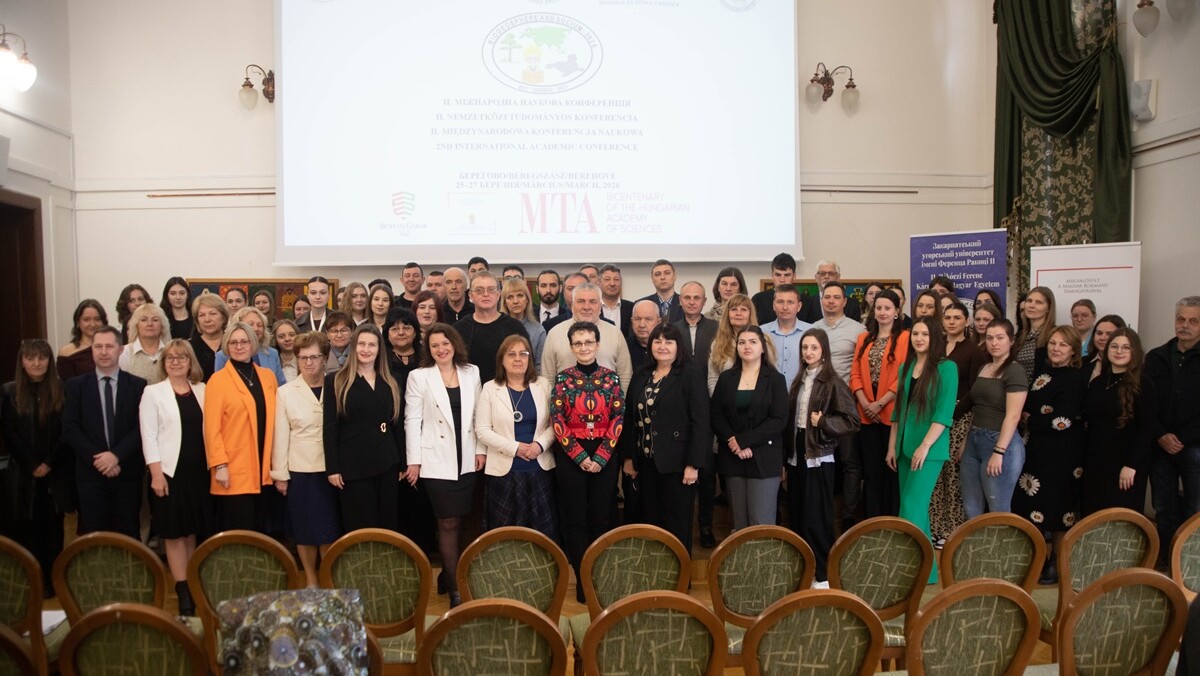
The Department of Biology and Chemistry of the Ferenc Rakoczi II Transcarpathian Hungarian University, in cooperation with the István Fodor Natural Sciences Research Centre, organized an international scientific conference entitled Biogeosphere and Socium (BGS–2026). The event took place on March 26–27 as part of the Rakoczi Days series of events.
At the opening of the event, participants jointly sang the anthem of our university, Rakoczi’s prayer, performed with the contribution of the institution’s chamber choir.
The attendees were welcomed by István Csernicskó, Rector of the University of Rakoczi.
“Rakoczi Days always represent, for us, both remembrance and a forward-looking perspective. The figure of Ferenc Rakoczi II reminds us that freedom and responsibility always go hand in hand. Perhaps the same duality is reflected in science: free thinking and responsibility toward our environment,”
he emphasized, adding that biology is a discipline that directly connects us to our surroundings.
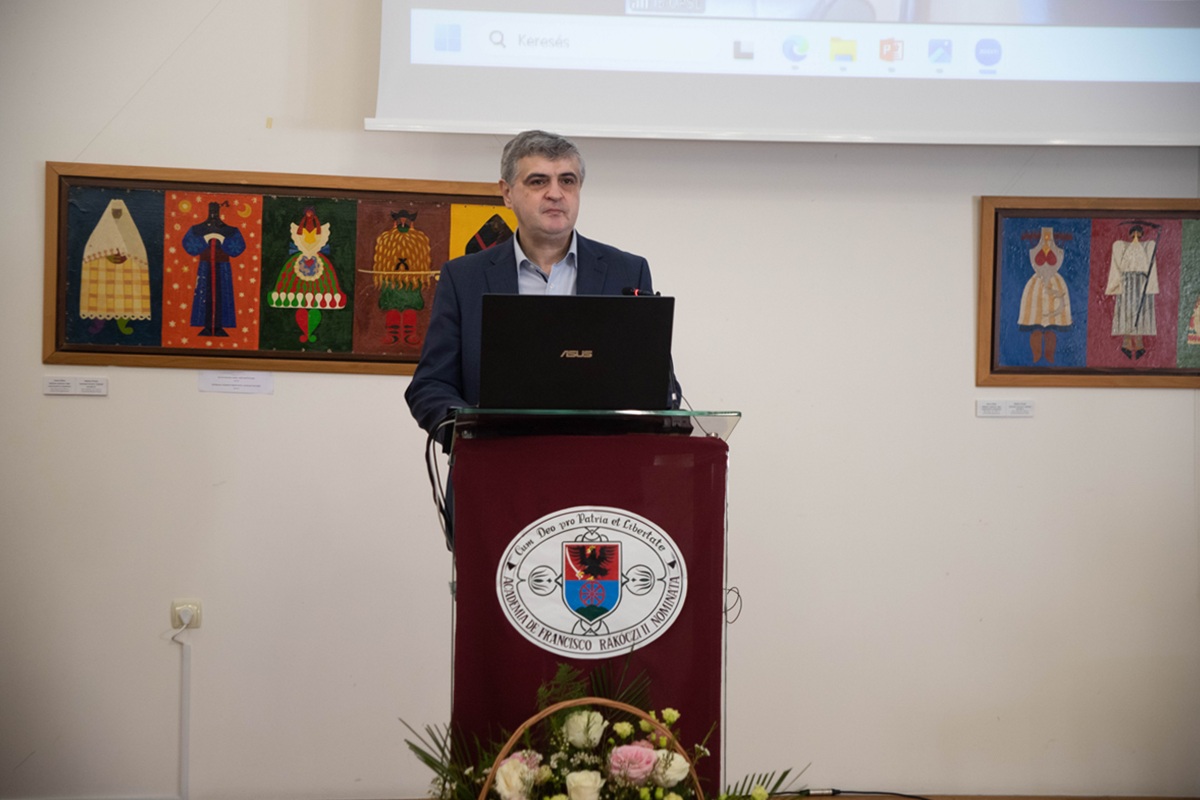
He was followed by Yurii Karpenko, Head of the Department of Ecology, Geography and Nature Management, Taras Shevchenko National University “Chernihiv Colehium”, and Halyna Tkachenko, Deputy Director of the Institute of Biology at the Pomeranian University in Słupsk, who also welcomed the participants and wished them a productive conference.
Following the opening ceremony, the conference continued with plenary lectures. First, Mária Höhn, Professional Head of the Botanical Garden of Soroksár of the Hungarian University of Agriculture and Life Sciences, presented on conifer species in changing climates. She was followed by Melinda Nagy, Vice-Rector of János Selye University, who delivered a lecture entitled “From brain function to artificial intelligence”. Natalia Kurhaluk, Head of the Department of Animal Physiology at the Institute of Biology of the Pomeranian University in Słupsk, spoke about plant-based diets rich in phytochemicals. Marina Kryvtsova, Deputy Director of the Institute of Dentistry and Laboratory Medicine at Uzhhorod National University, presented on the antimicrobial properties of medicinal plants. Finally, István Kolozsvári, Head of the István Fodor Natural Sciences Research Centre, delivered a lecture entitled “The ecological status of lowland wetlands in Transcarpathia”.


In the second half of the day, sectional sessions were held. Participants had the opportunity to share their experiences and research topics across seven sections—education and science popularization, biodiversity and habitat research, environmental protection and climate issues, agricultural biodiversity and crop production, environmental chemistry and microbiology, human health and medical biology, as well as tourism and social sciences. Presentations were delivered in three languages—Hungarian, Ukrainian, and English—and were accessible both in person and online.
On the second day of the conference, participants visited the Forest School and Research Base in Velyka Dobron of the University of Rakoczi, where they took part in an engaging workshop led by Erzsébet Kohut, Head of the Department of Biology and Chemistry.
Anita Kurmay
-
This article is also available in
 Українська
 Magyar