
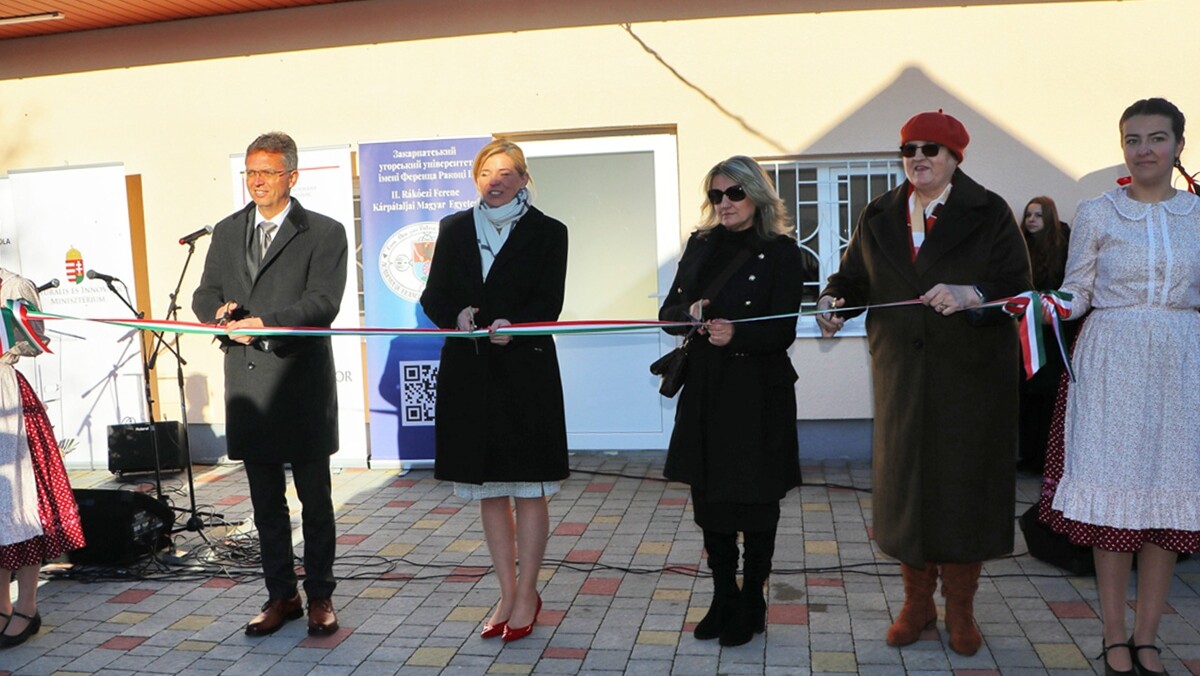
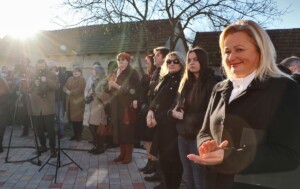
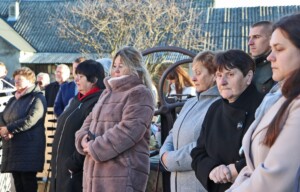
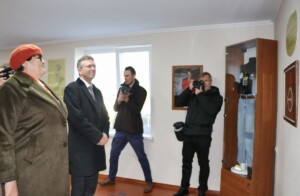
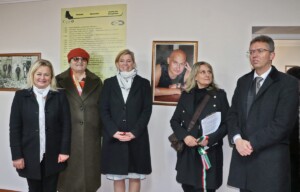
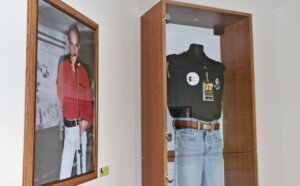
László Bódi “Cipő,” a Hungarian rock singer, composer, and songwriter of Transcarpathian origin, founding member of the band Republic, was born in Mali Heivtsi, a village in the Uzhhorod district. The Tulipán Tanoda Hungarian School of Folk Music and Folk Art has transformed László Bódi’s birthplace into a memorial house and a music studio. The inauguration took place on 28 November in Mali Heivtsi.
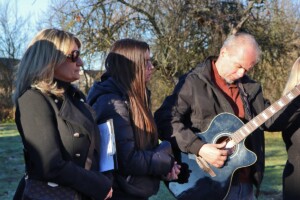
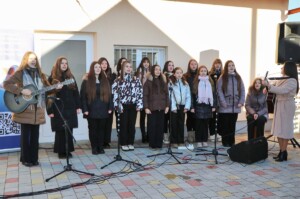
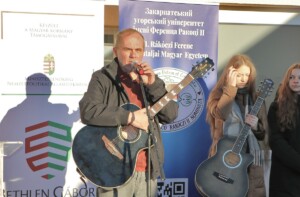
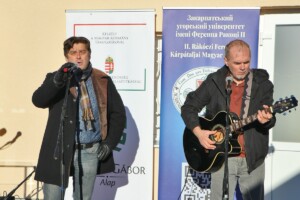
The event began with a recollection of László Bódi’s life. This was followed by a performance of the Republic band’s hit song Ezt a földet választottam by the Mali Heivtsi Tulipán Vocal Ensemble under the direction of Marianna Györkené Csákány. Afterwards, we listened to the song Szeretni valakit valamiért performed by Zoltán Tóth, former member of the band Republic.
“When we purchased this house, we did not only take over a building, but also a responsibility. A responsibility to ensure that Cipő’s spirit and human example continue to live within us and within the young people who will study here. For László Bódi set an example both as a person and as an artist,”
emphasized Andzselika Kepics, Director of the Tulipán Tanoda Hungarian School of Folk Music and Folk Art, in her greeting. She added that they trust this house will not only preserve a memory, but will also give a home to new talents, give voice to new melodies, and give wings to new dreams.
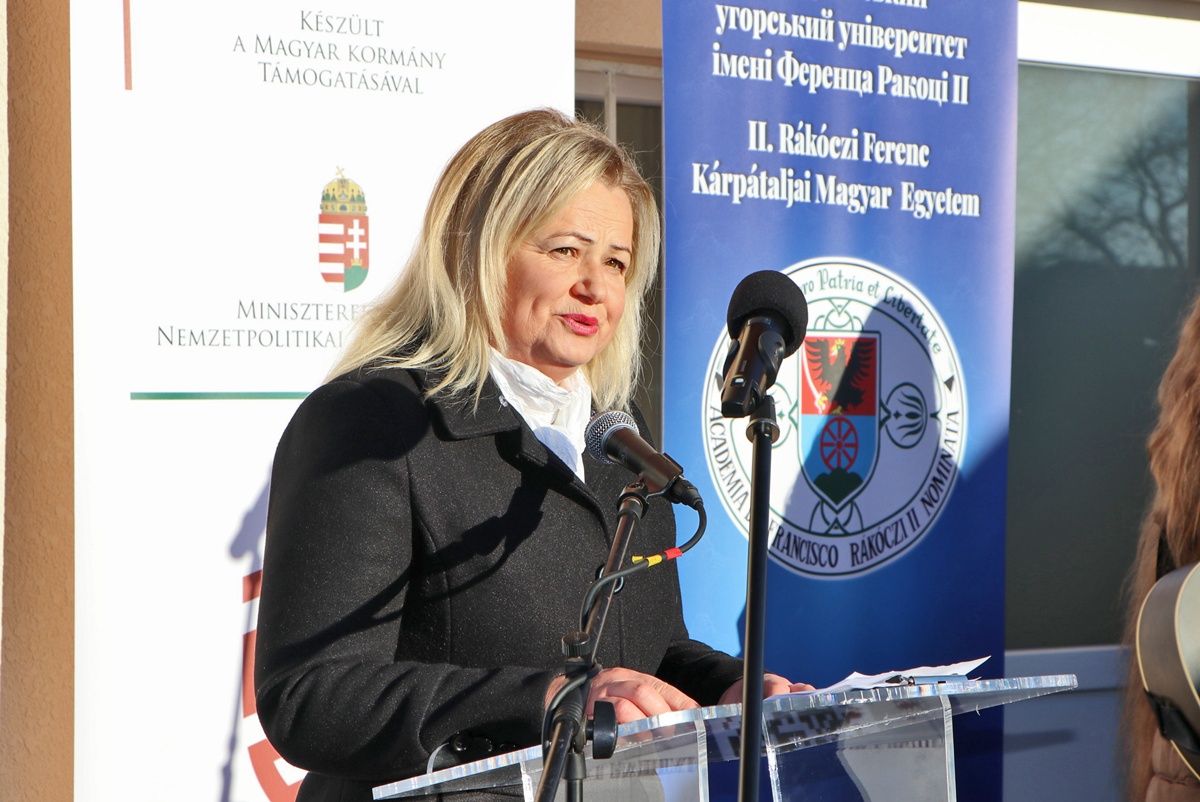
Following the greeting, we heard the Republic hit Kék hotel performed by the Mali Heivtsi Tulipán Vocal Ensemble.
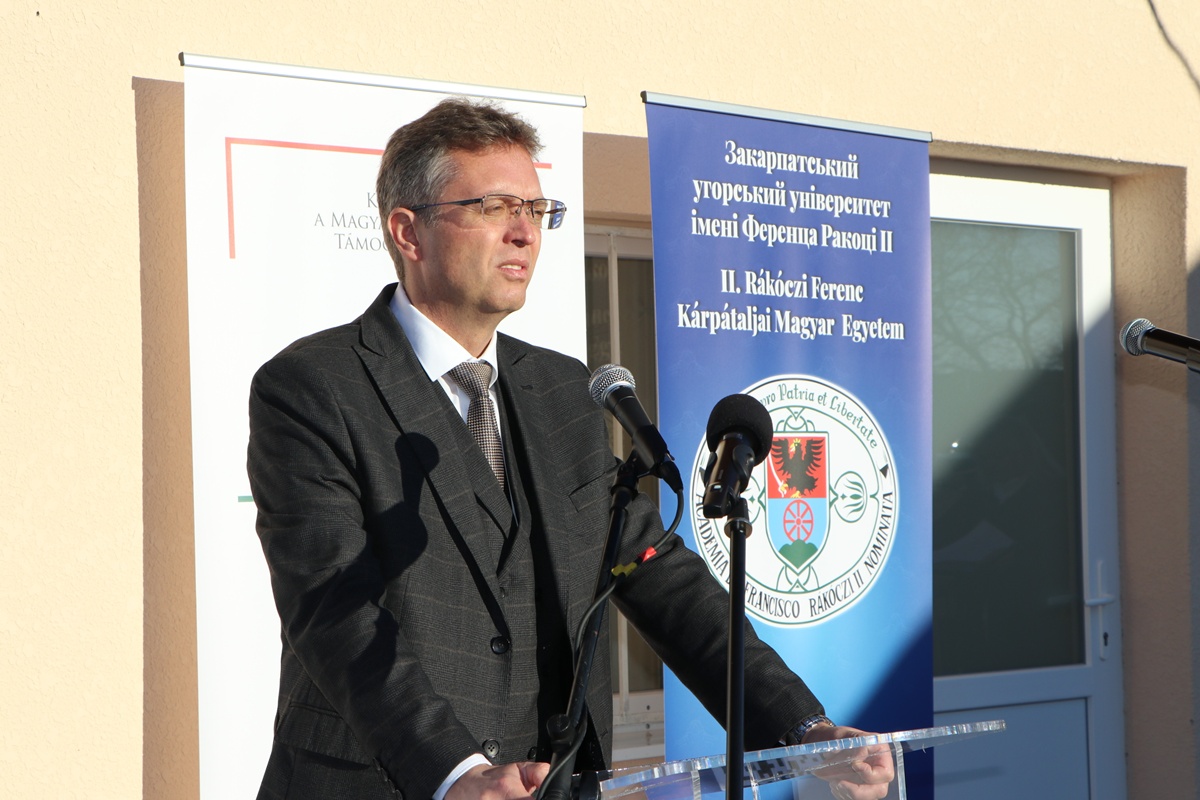
“You chose this land, you willed this day to be. The great question of life is whether we choose the land or the land chooses us. In any case, let us give thanks to God that we are Hungarians, for this is the most wonderful nation in the world,”
emphasized Balázs Hankó, Hungary’s Minister for Culture and Innovation, before paying tribute to Cipő’s oeuvre.
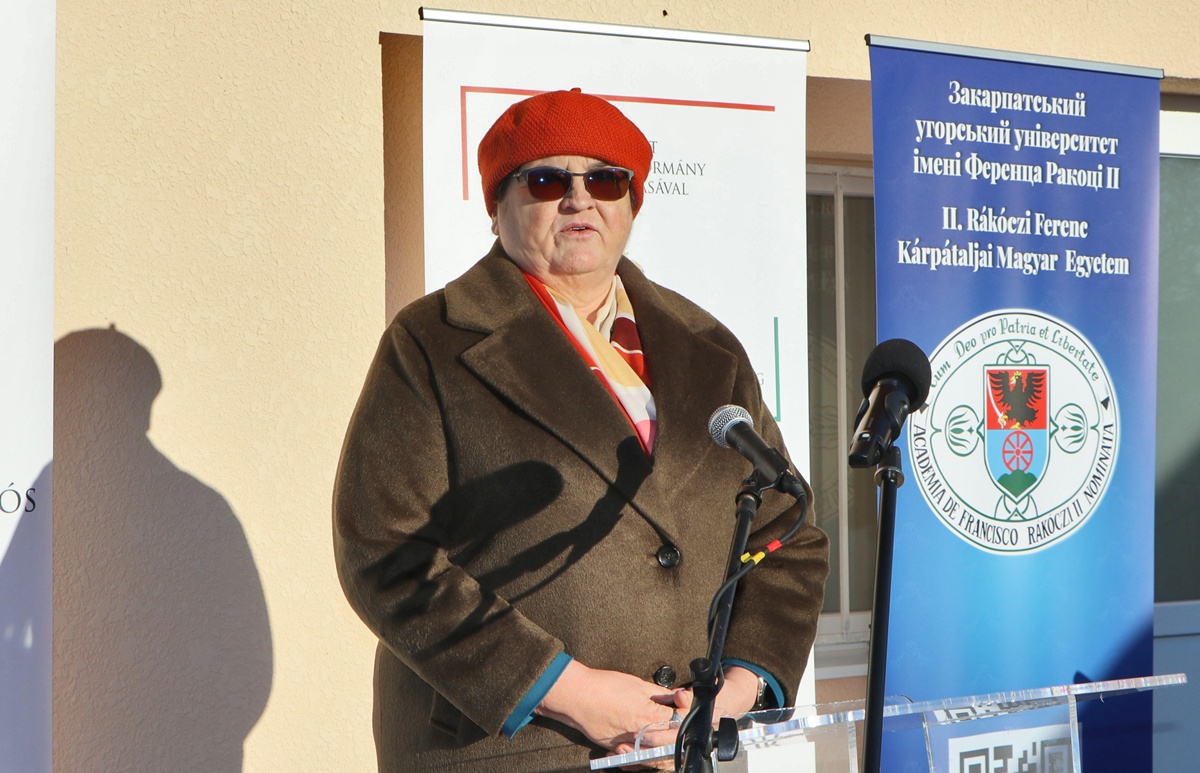
Ildikó Orosz, founder of the Tulipán Tanoda and President of the Ferenc Rakoczi II Transcarpathian Hungarian University, highlighted the importance of Hungarian folk art and supporting talent in her speech.
“Cipő’s musical world was interwoven in many ways with Hungarian culture. The fact that we have been able to open this memorial house today can serve as an example for the children living here, showing that one can reach the big stage even from a small village,”
she added.
“Many memories from our childhood tie us to this village. My brother and I spent wonderful summers in Mali Heivtsi. These experiences became deeply embedded in Laci’s — that is, Cipő’s — soul, and they also nourished that sensitivity and human depth that characterized him. And now, as I look around and see that music can once again resound in his homeland, I feel that he is here with us,”
said Cipő’s sister, Marica Bódi.
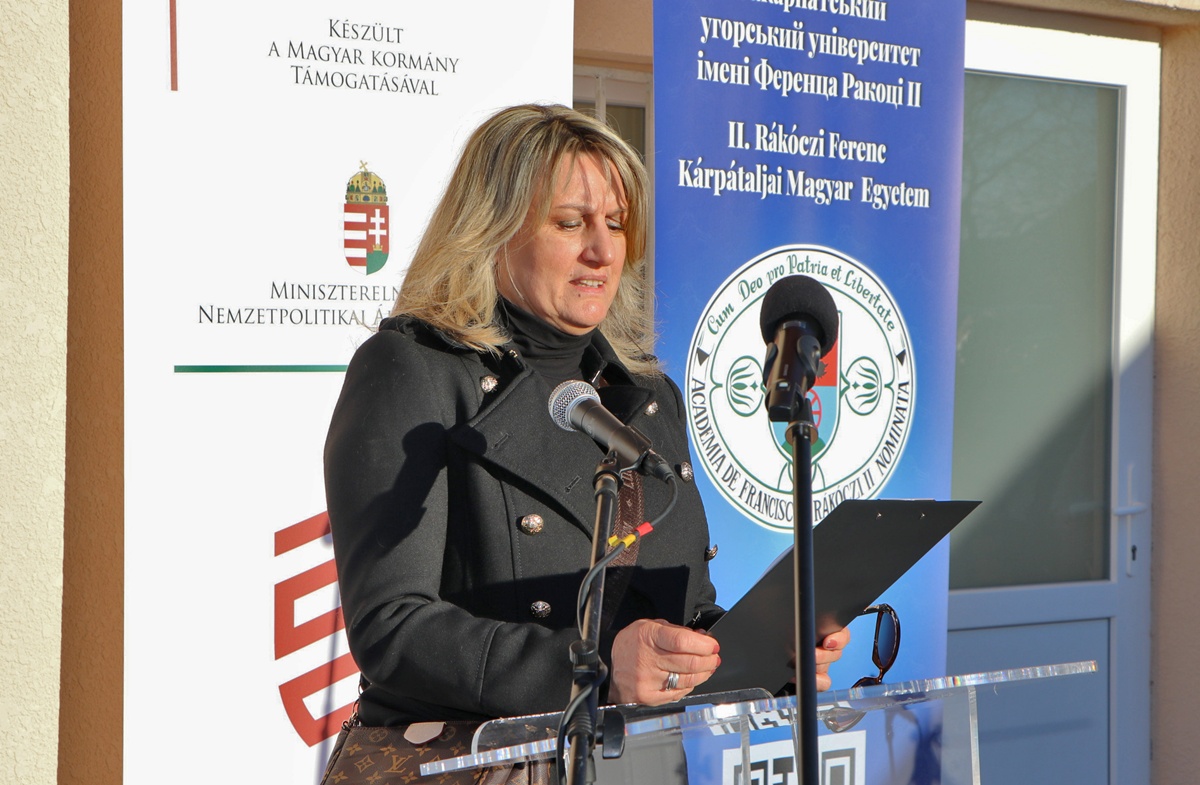
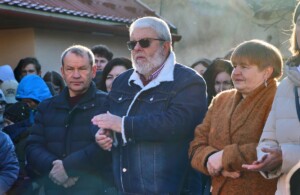
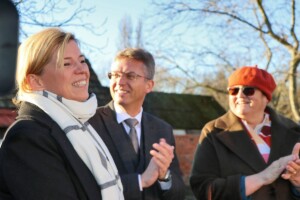
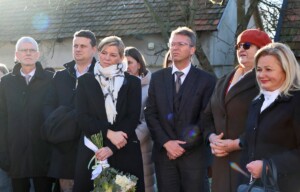
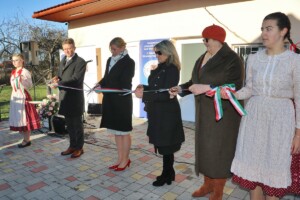
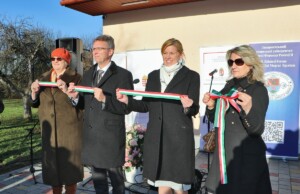
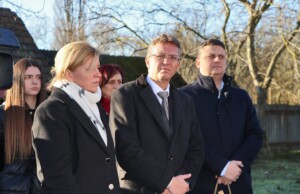
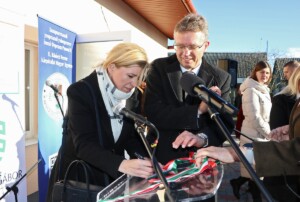
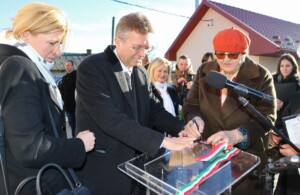
Following the ceremonial opening, the house was officially handed over. The ribbon symbolizing the handover was cut by President Ildikó Orosz, Minister Balázs Hankó, Veronika Varga-Bajusz, Hungary’s State Secretary for higher education, vocational and adult education, and youth, and Marica Bódi.
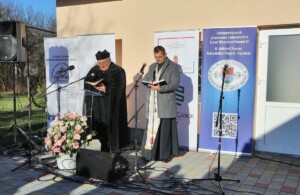
After the handover, the representatives of the historical churches asked for God’s blessing.
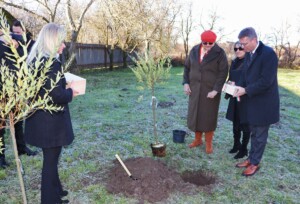
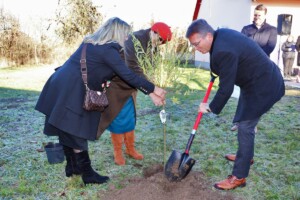
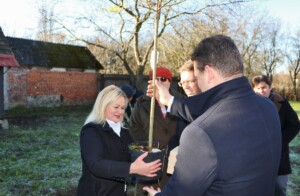
As the closing act of the event, a tree was planted, brought from Kistarcsa, the final resting place of László Bódi, to Mali Heivtsi. A symbolic planting will also take place in Kistarcsa, where a tree brought from Mali Heivtsi will be planted.
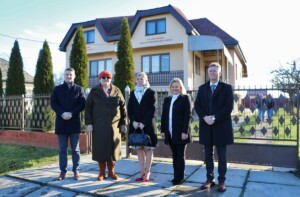
The purchase of the building was possible with the support of Hungary’s State Secretariat for National Policy, and its complete renovation was carried out with funding from the Ministry of Culture and Innovation.
Nitta

