
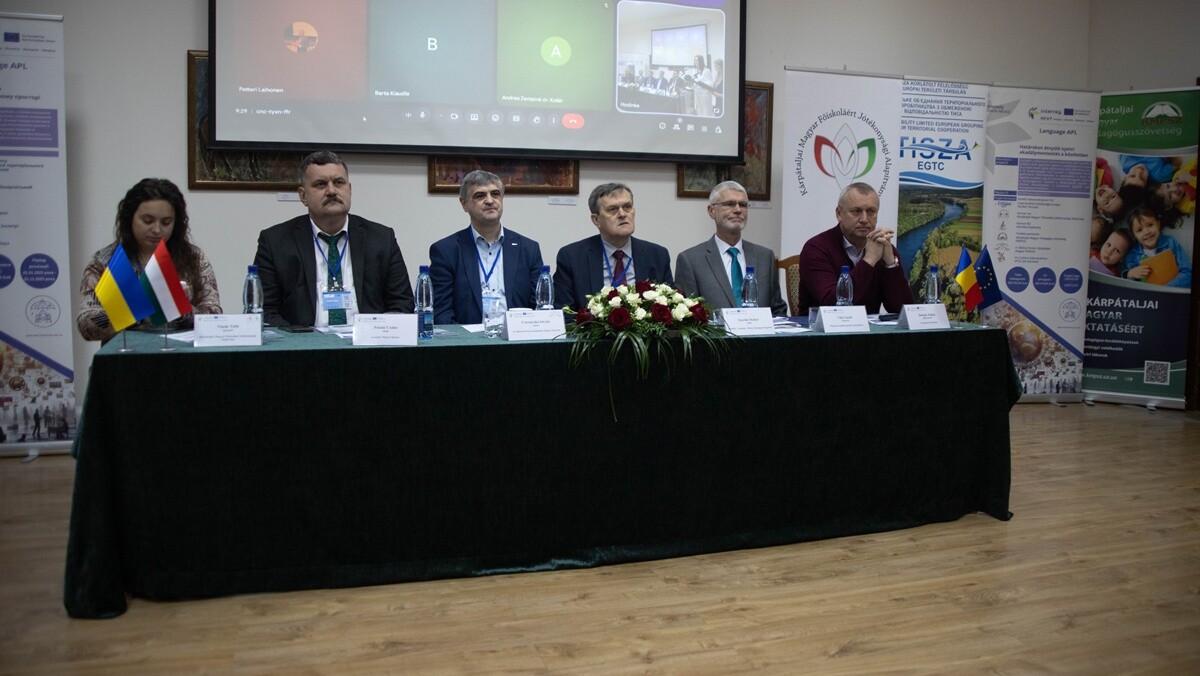
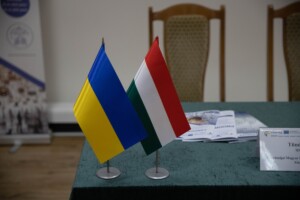
On 1 January 2025, the HUSKROUA Language APL – Cross-Border Linguistic Accessibility in Public Life international cooperation project was launched, with the Charitable Foundation for the Transcarpathian Hungarian University (KME JA) participating as a partner. The primary goal of the project is to foster and develop linguistic diversity along the Hungarian–Slovak–Romanian–Ukrainian border region. The project’s closing conference was held on 25–26 November at the University of Rakoczi.
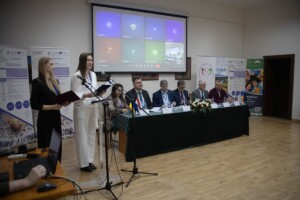
The official opening of the conference took place on November 25.
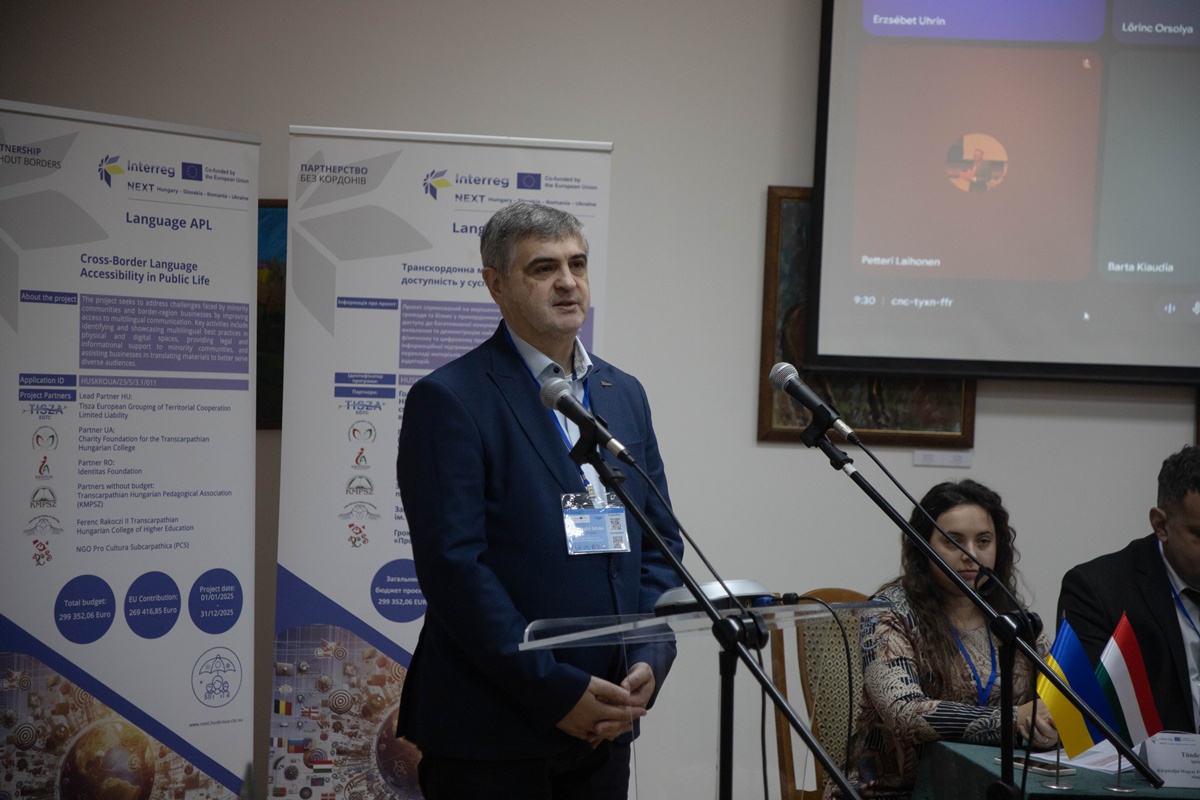
The participants were welcomed by István Csernicskó, Rector of the University of Rakoczi, who emphasized that it was an honour for the institution not only to host the event but also to take part in the project itself.
“In many ways, this has been an exciting period for all of us, and we have learned a great deal throughout the process. What matters most, however, is that the work we carried out together with our colleagues over the past months has resulted not only in theoretical insights but also in practical, tangible outcomes,”
he noted.
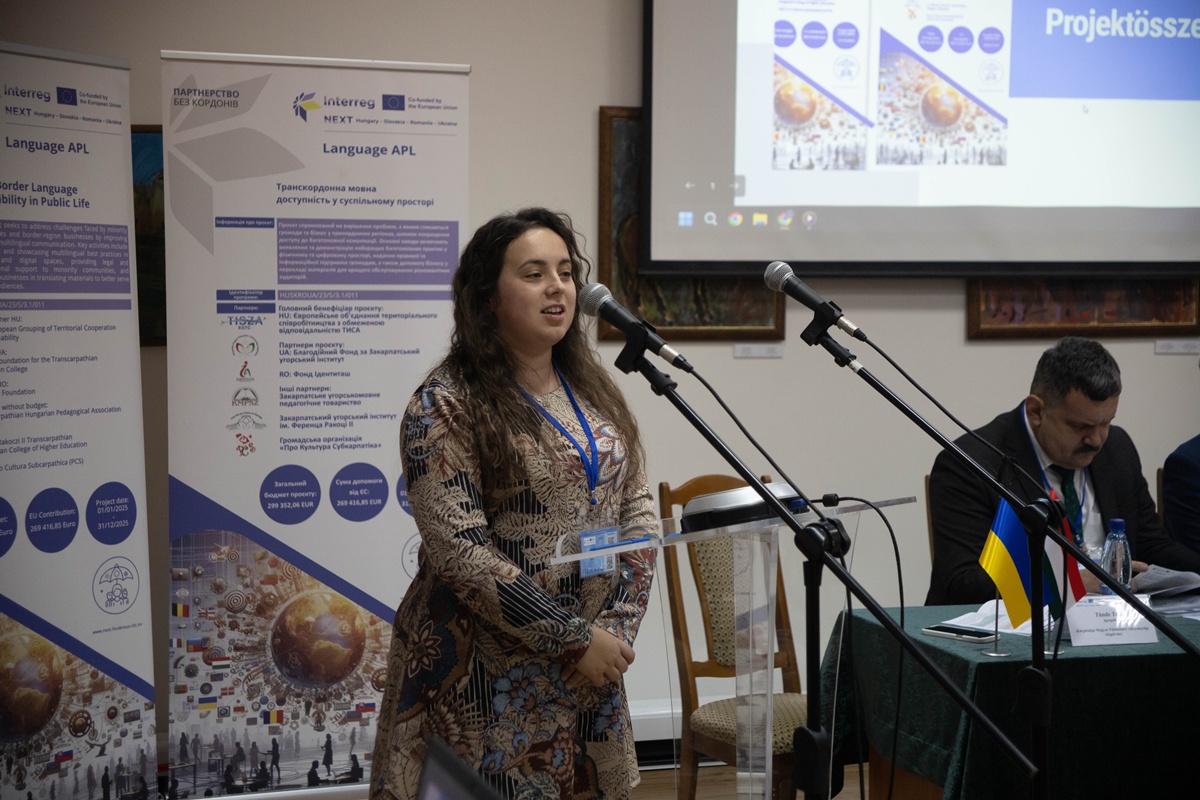
In her welcome address, Tünde Tóth, Director of the KME JA, reflected on the work carried out in recent months. She explained the essence of the project “Cross-Border Linguistic Accessibility in Public Life”, why linguistic accessibility is important, and what legal framework underpins it in Transcarpathia. Finally, she highlighted the overall significance of the project.
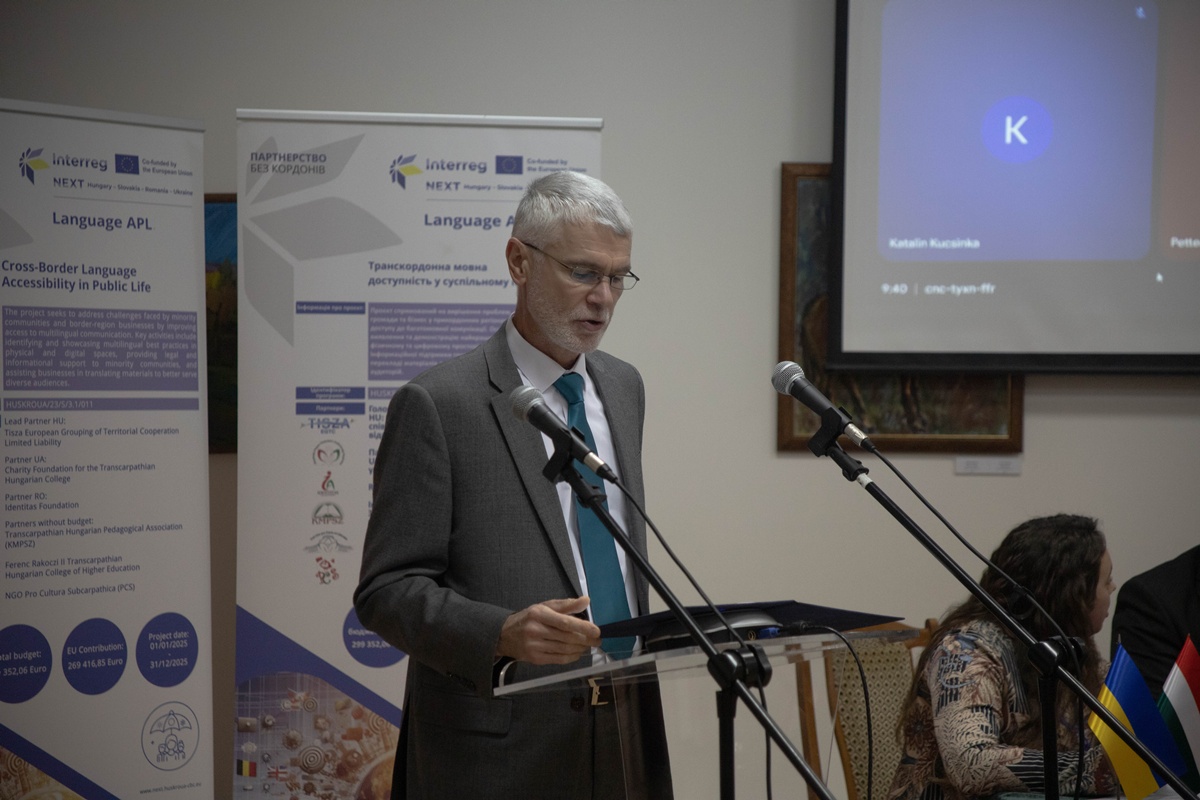
“Linguistic accessibility may at first sound like an abstract, scholarly term, yet it is in fact something very simple. Bilingual signs, labels and information boards help us navigate our surroundings; our daily life becomes easier in healthcare or the service sector when we can address our affairs in our mother tongue in a multilingual environment, or when we can access essential information in the mass media in our own language,”
emphasized László Vida, Consul of Hungary’s Consulate in Berehove.
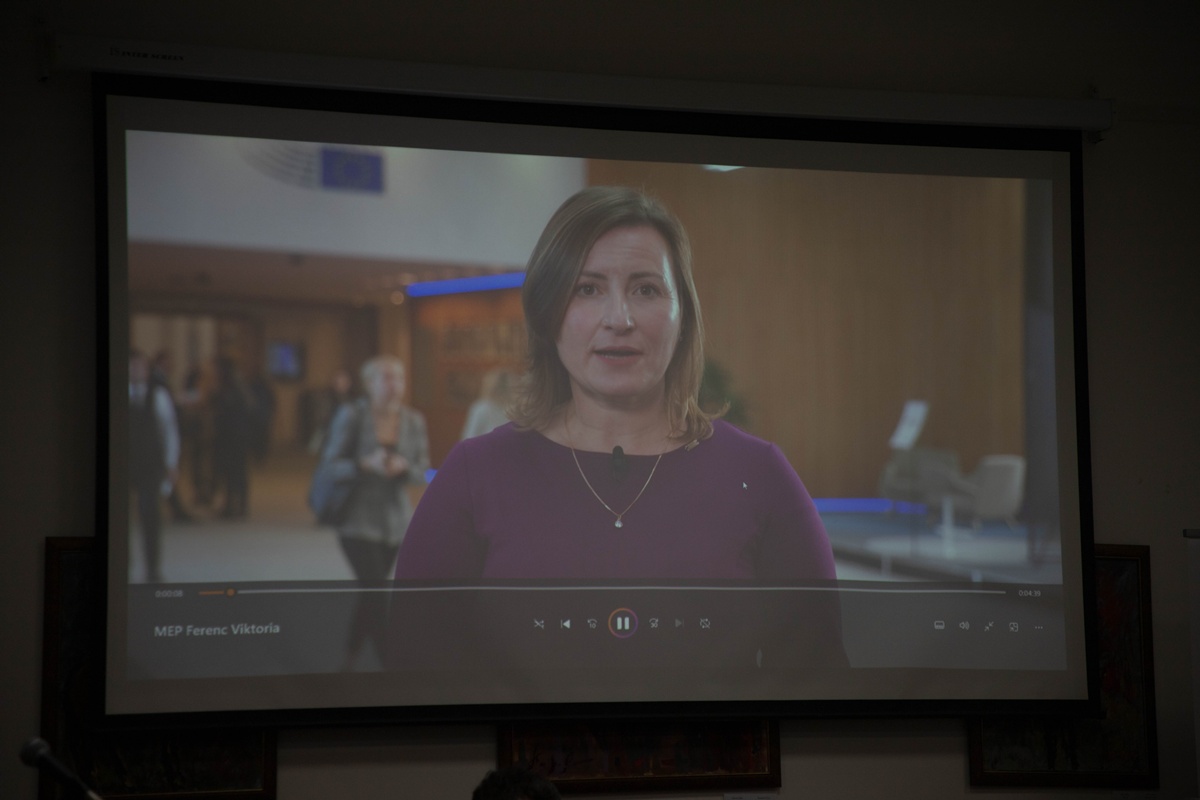
Viktória Ferenc, Member of the European Parliament, greeted those present in a video message.
“For us, Hungarians in Transcarpathia, language is not only a means of communication, but the foundation of our culture and the cohesive force of our community. This is why it is very important for us that in public communication, in education, in public administration, and in cultural life our mother tongue be recognized, and that we may use it freely in every area of life in our homeland,”
she said.
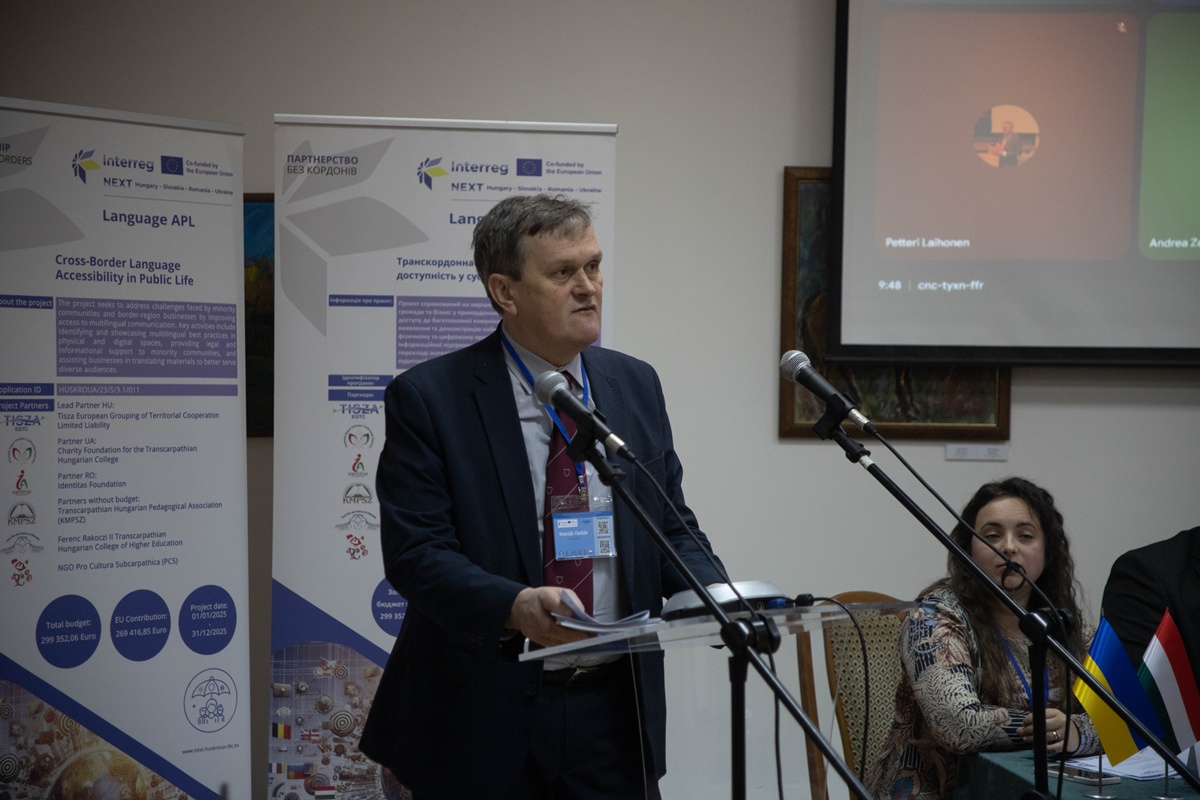
Oszkár Seszták, President of the Tisza Limited Liability European Grouping of Territorial Cooperation, emphasized: “We Hungarians in Hungary are in a privileged position, as we can communicate in Hungarian with citizens of countries such as Slovakia, Romania, and Ukraine, whereas for the Hungarian communities beyond the borders it is a daily challenge to find ways to use their mother tongue.”
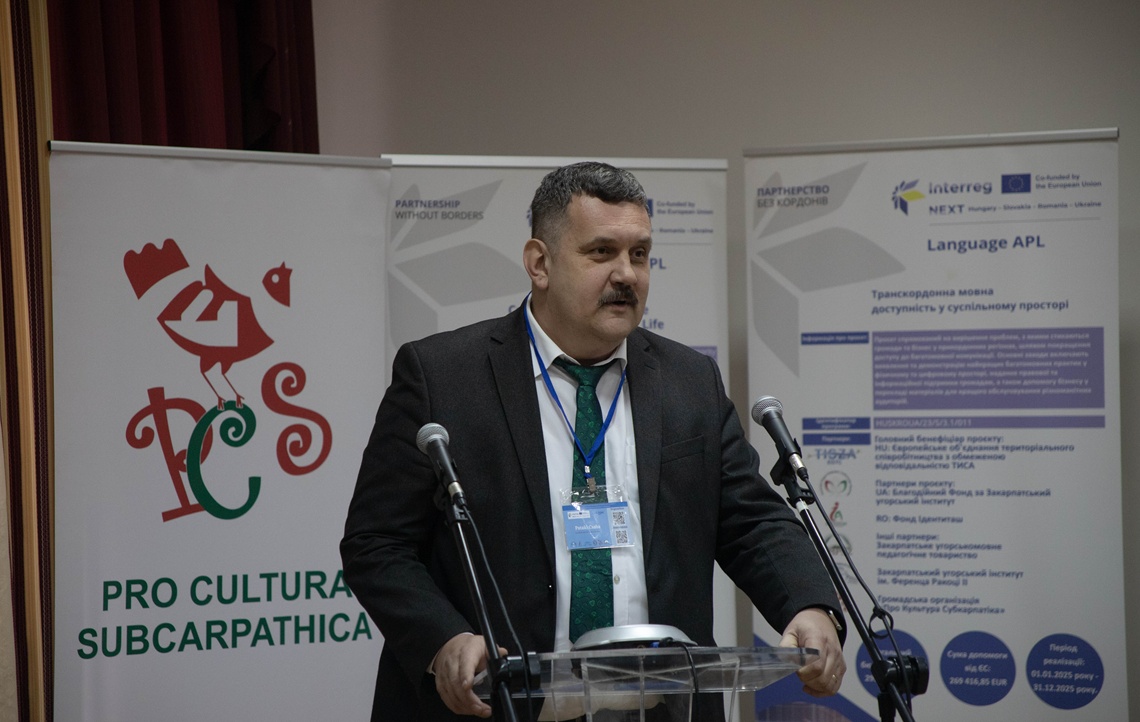
Csaba Pataki, President of the Satu Mare County Council, spoke about the similarities between the situation of the Hungarian minorities in Romania and Ukraine, adding that one of the main goals of this project is to ensure that our grandchildren will also know the Hungarian language.
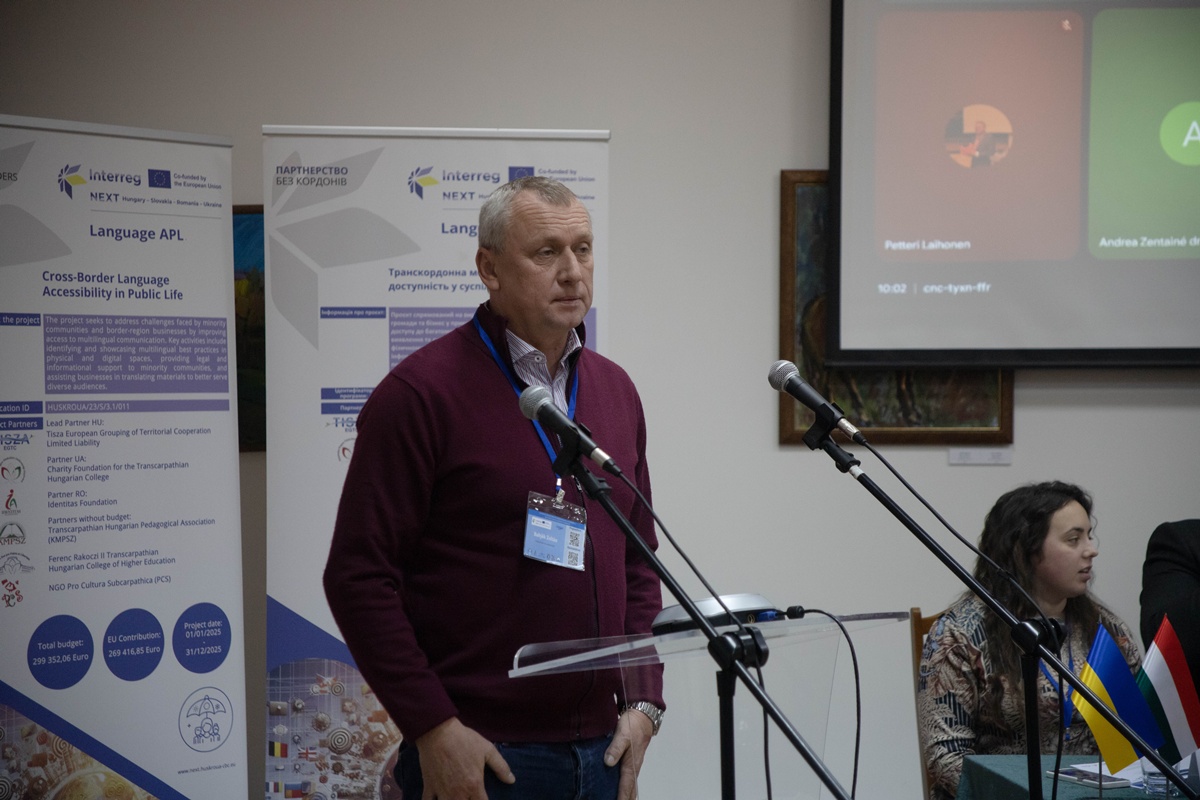
“Linguistic accessibility is not just a block but a process; it is constantly changing, and we are here so that the residents of our city can live comfortably and experience their identity,”
said Zoltán Babják, Mayor of Berehove.
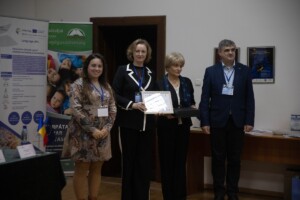
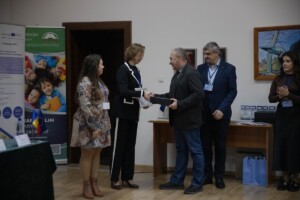
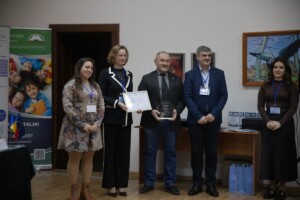
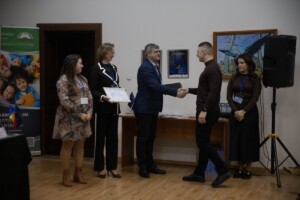
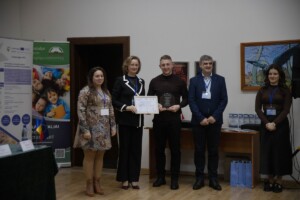
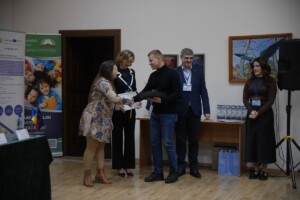
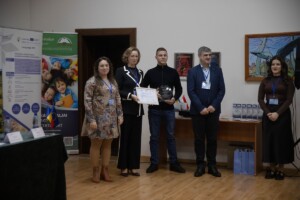
This was followed by an awards ceremony, where the organizers recognized those members of society who, through their work, dedication, and exemplary conduct, contributed to promoting multilingualism at the entrepreneurial, public, educational, and mass media levels. Rector István Csernicskó, Kornélia Hires-László, head of the Antal Hodinka Linguistic Research Center, and director Tünde Tóth presented awards to TV21 Ungvár, the Lyceum in Velyka Dobron, the Solotvyno Territorial Community, Franklin’s Store, and Cafe Fratelli business.
Following the ceremonial opening, plenary presentations were held. First, Petteri Laihonen, a linguist from the University of Jyväskylä in Finland, gave a lecture on constitutional bilingualism in Finland. He was followed by István Csernicskó, whose presentation “Language legal changes and the perspectives of linguistic accessibility in Transcarpathia” was attended by the participants.
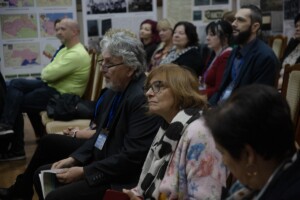
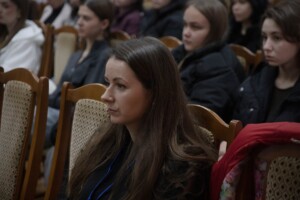
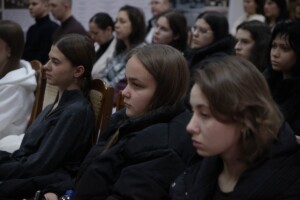
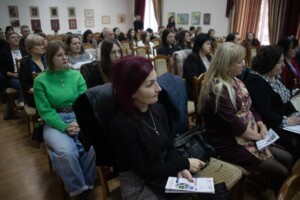
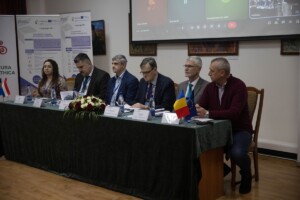
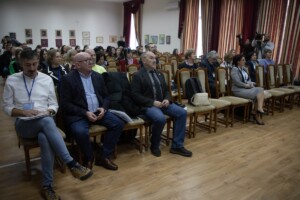
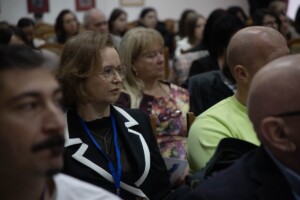
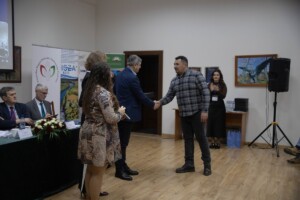
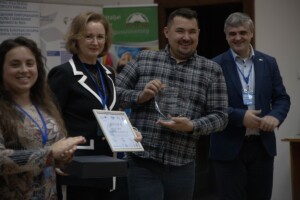
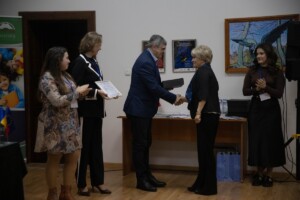
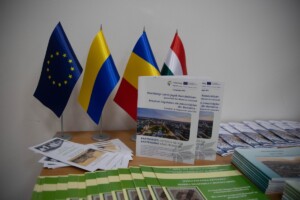
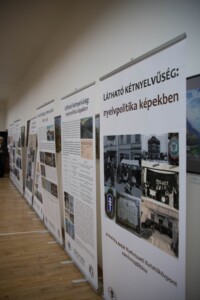
In the second half of the day, Angella Sorbán, Head of the Scientific Research Department at the Sapientia Hungarian University of Transylvania, explored the issues of linguistic disadvantage and linguistic accessibility in her presentation. Ildikó Vančo, a lecturer at Constantine the Philosopher University in Nitra, presented on the situation of minority languages in Slovakia. István Kozmács, also a lecturer at Constantine the Philosopher University in Nitra, delivered a lecture titled “Small languages, small nations: visible languages and audible communities in the context of multilingualism and language rights.”
On 26 November, the participants explored the issue of linguistic accessibility in four separate sections.
The project is supported by the European Union under the Interreg VI-A NEXT Hungary–Slovakia–Romania–Ukraine Program 2021–2027.
Anita Kurmay

