
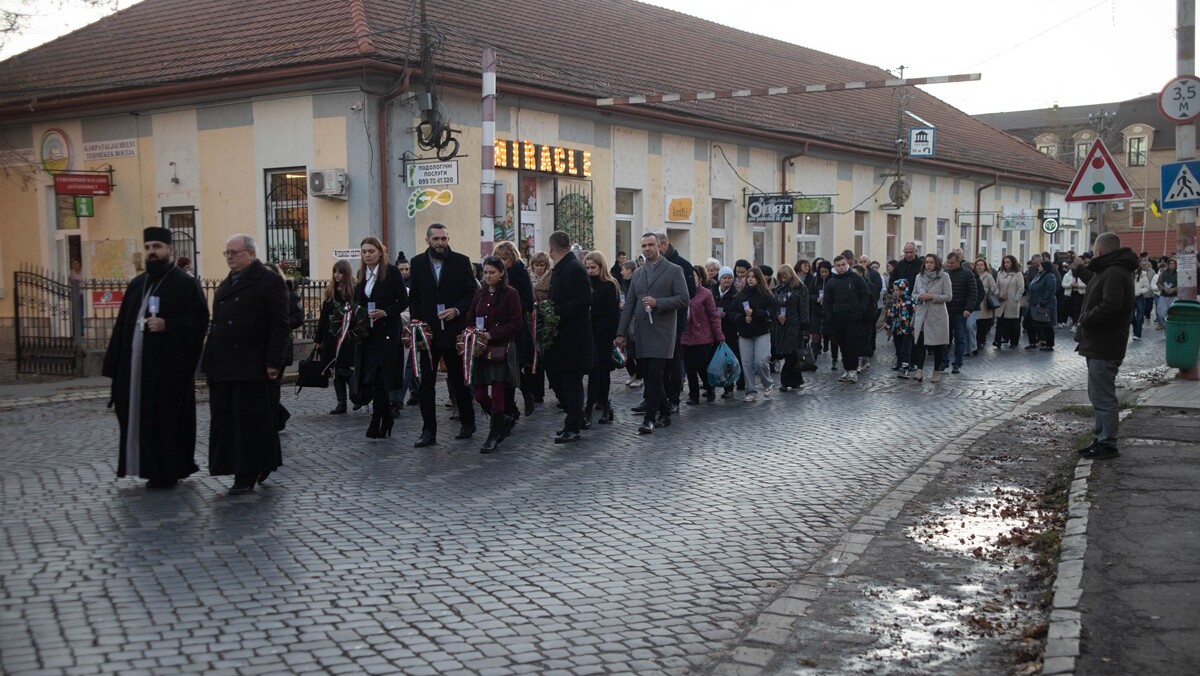
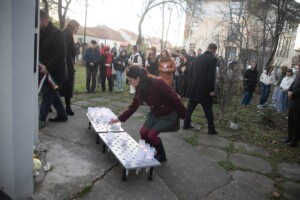
The Ferenc Rakoczi II Transcarpathian Hungarian University, the Pro Cultura Subcarpathia civil organization, the Mayor’s Office in Beregszász and the historical churches jointly commemorated the victims of the Malenkij Robot on 18 November.
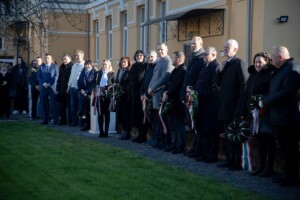
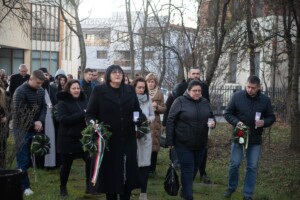
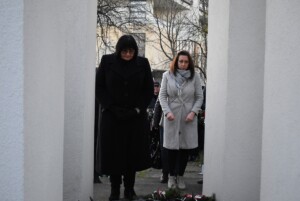
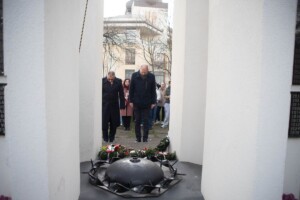
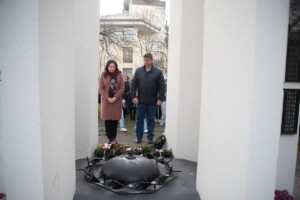
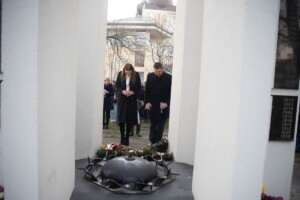
The event started with a ceremony in the courtyard of the University of Rakoczi, where the participants laid wreaths at Peter Matl’s artwork titled “Gúzsban“, a symbol of the man who lost his freedom.
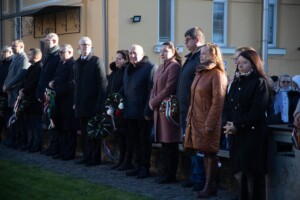
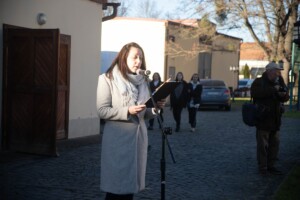
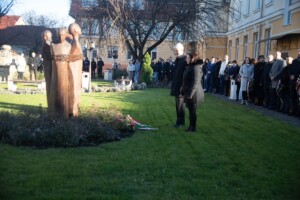
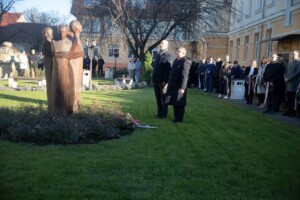
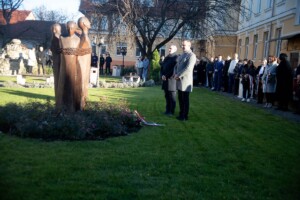
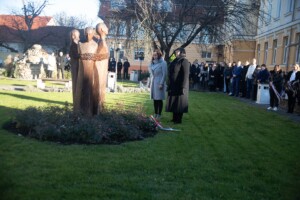
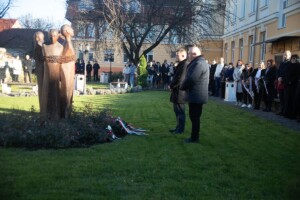
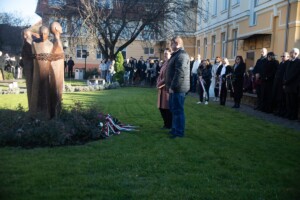
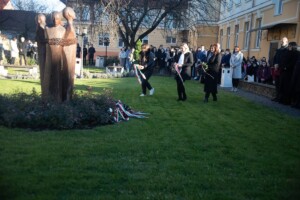
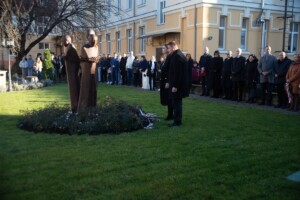
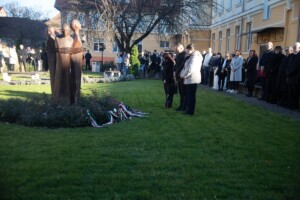
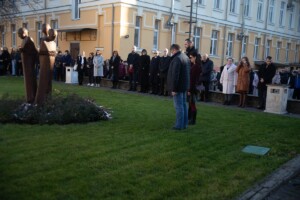
Afterwards, an ecumenical service was held in the Reformed Church of Beregszász. János Molnár, episcopal vicar and Roman Catholic dean of Beregszász; Ferenc Demkó, episcopal vicar of the Greek Catholic Eparchy of Munkács; and Ferenc Taracközi, pastor and head of the Reformed Congregation of Beregszász, remembered those who did not renounce their faith even in the most difficult times. Following the commemoration the church leaders asked for blessings on the lives of those present.
After the service, Ádám Dergán, Deputy Director General of Hungary’s Committee of National Memory, greeted those present.
“Gulag, Gupvi — for most people born after the 2000s, these words mean almost nothing today, even though in the 20th century they carried terrifying weight. During the communist dictatorship, thousands of Gulag and Gupvi camps operated across the Soviet Union, where those who were taken there were forced to work under horrific conditions. Hungary, Transylvania, Vojvodina, and Upper Hungary all suffered — but perhaps none as deeply as Transcarpathia,”
he emphasized, and added that since its establishment in 2014, the Committee of National Memory has devoted special attention to researching the fate of Hungarians deported into Soviet captivity.
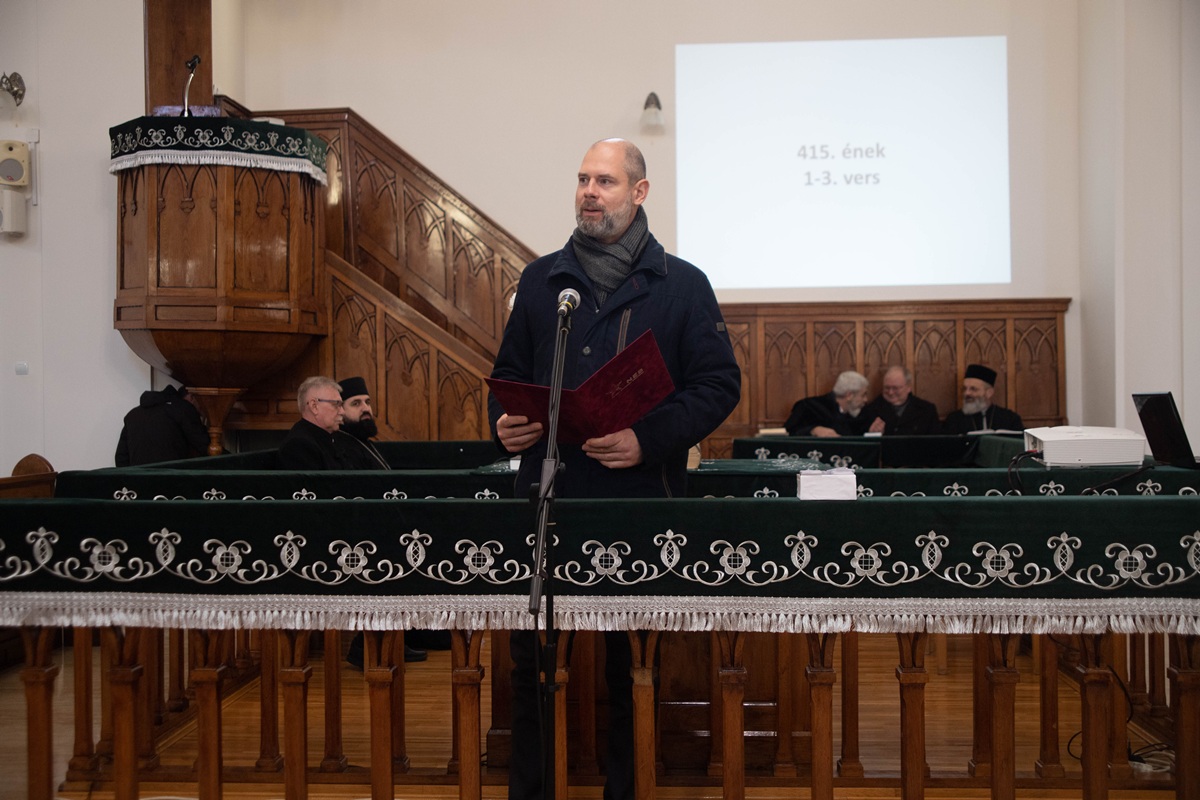
István Csernicskó, Rector of our university, expressed the following in his address:
“We live in a drafty place in the Carpathian Basin — in its northern part, in Transcarpathia — a region where strong winds blow from time to time, and without far-reaching roots it is almost impossible to hold on. And yet we, the Hungarians of Transcarpathia, are still here. We remain because the roots of a community are nourished by the memories of the past, by language, and by culture. And we have historical memories, we have our language, we have our culture. These roots, however, must be nurtured and cared for from time to time. I thank everyone for coming today to remember together, because as long as we remember — as long as there are people who remember — our roots live on and continue to sustain us.”
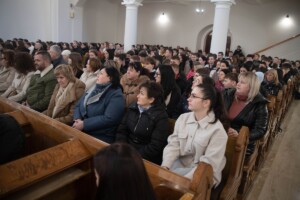
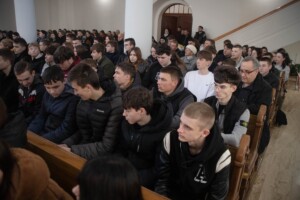
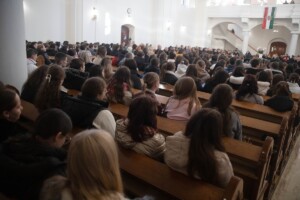
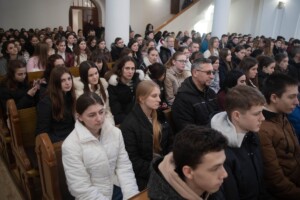
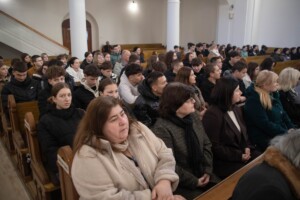
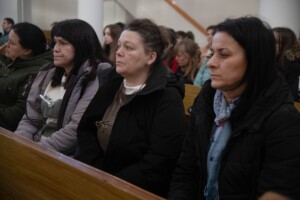
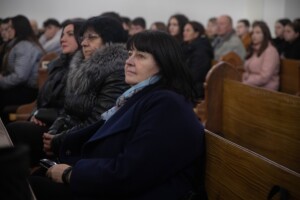
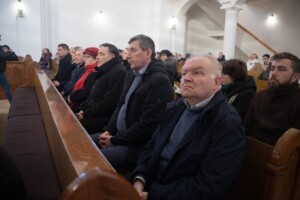
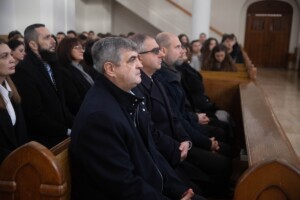
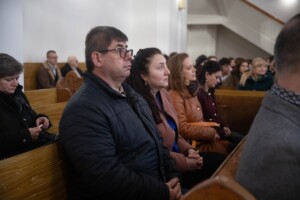
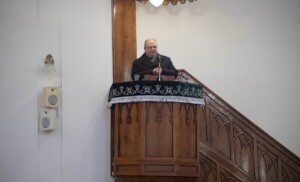
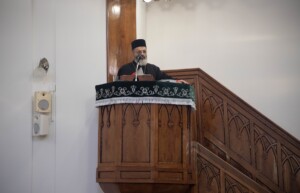
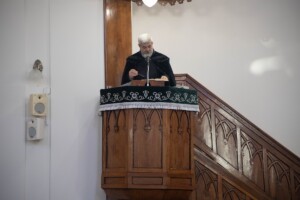
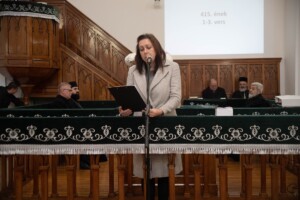
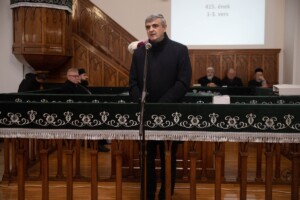
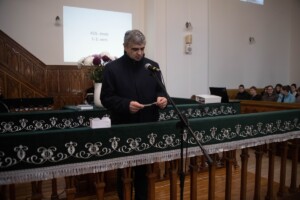
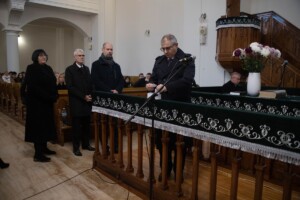
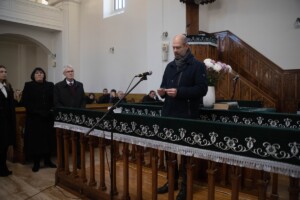
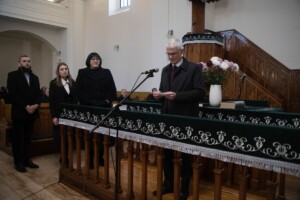
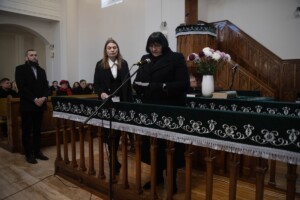
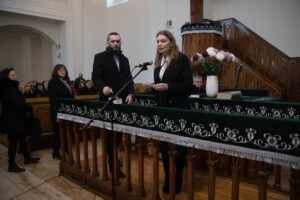
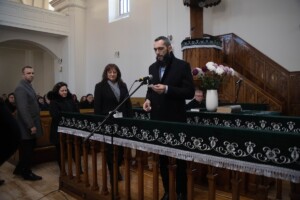
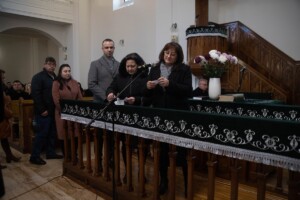
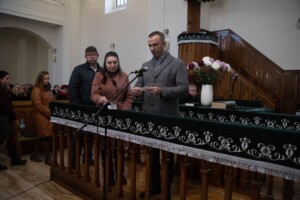
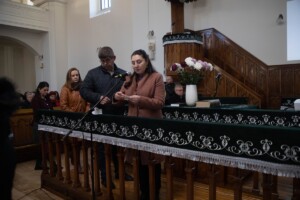
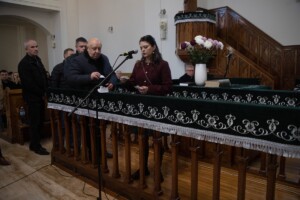
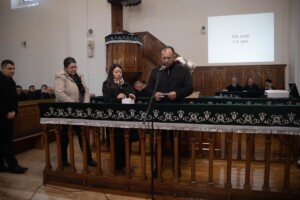
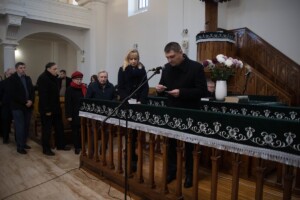
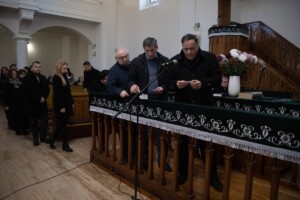
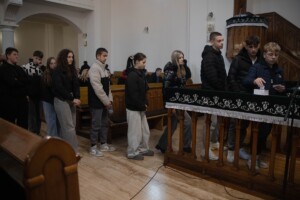
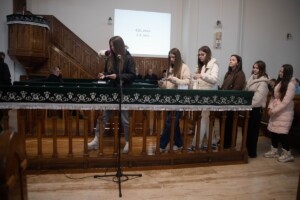
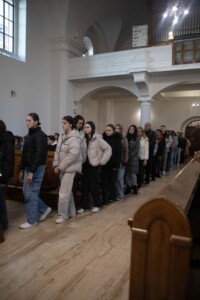
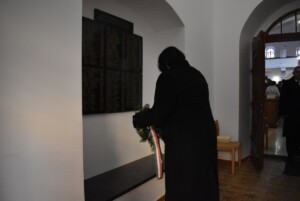
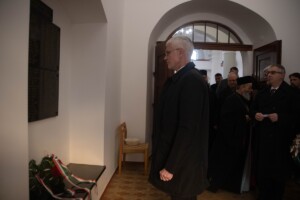
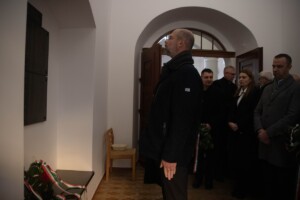
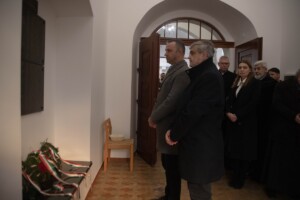
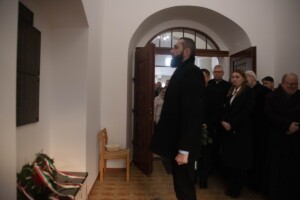
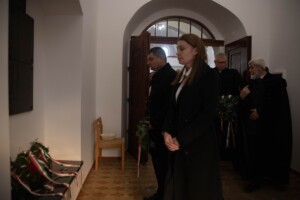
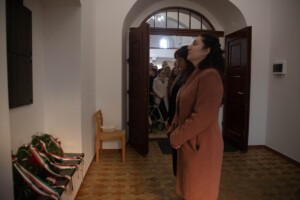
At the end of the service, attendees individually read the names of more than 300 victims from Beregszász, whose only fault was being born Hungarian. Subsequently, they placed memorial wreaths in the foyer of the Reformed Church.
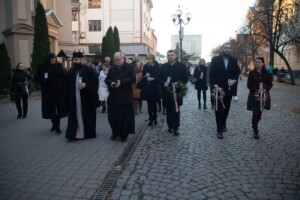
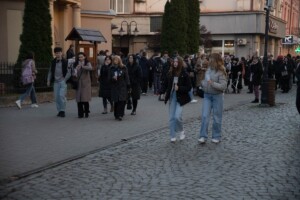
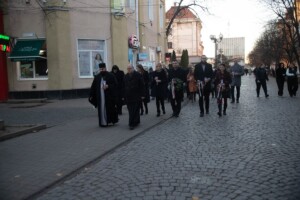
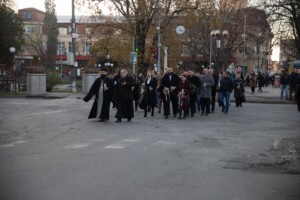
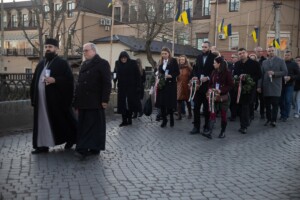
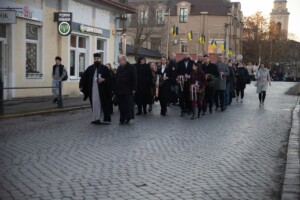
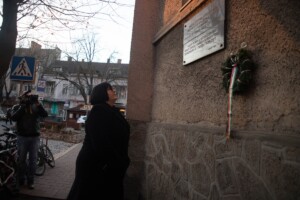
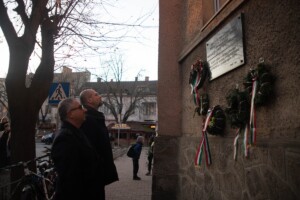
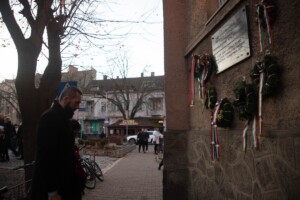
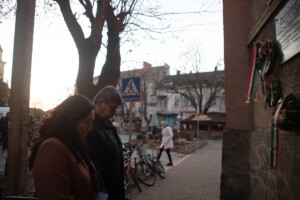
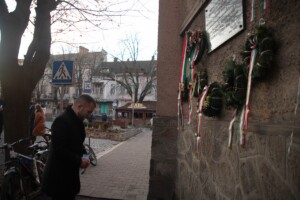
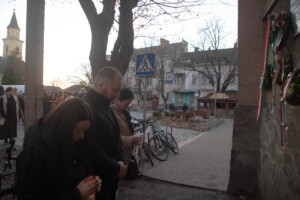
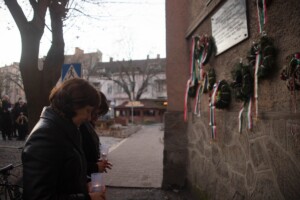
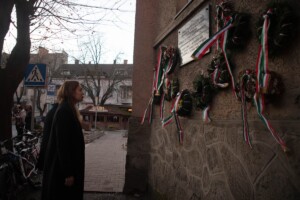
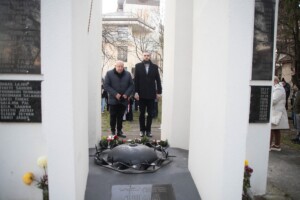
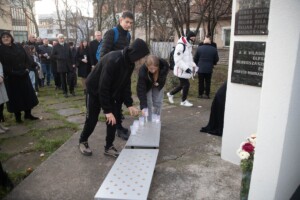
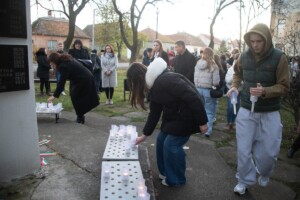
The service was followed by a candle-light procession. Remembrance wreaths were placed at the memorial plaques at the entrance to School No. 5 and at the Malenkij Robot memorial on Széna Square.
Anita Kurmay

